AMAZON RELAY
INSURANCE
Request Amazon Relay insurance options and RMIS filing support. Quote, binding, certificate, and approval timing varies.
Requesting a quote does not bind coverage or guarantee Amazon Relay approval. Timing and availability depend on a completed application, underwriting, payment, carrier eligibility, state licensing, and filing requirements.
Common Equipment Types
Equipment We Cover
Equipment eligibility can vary by current platform criteria and route. Confirm the specific work before relying on a vehicle category alone.
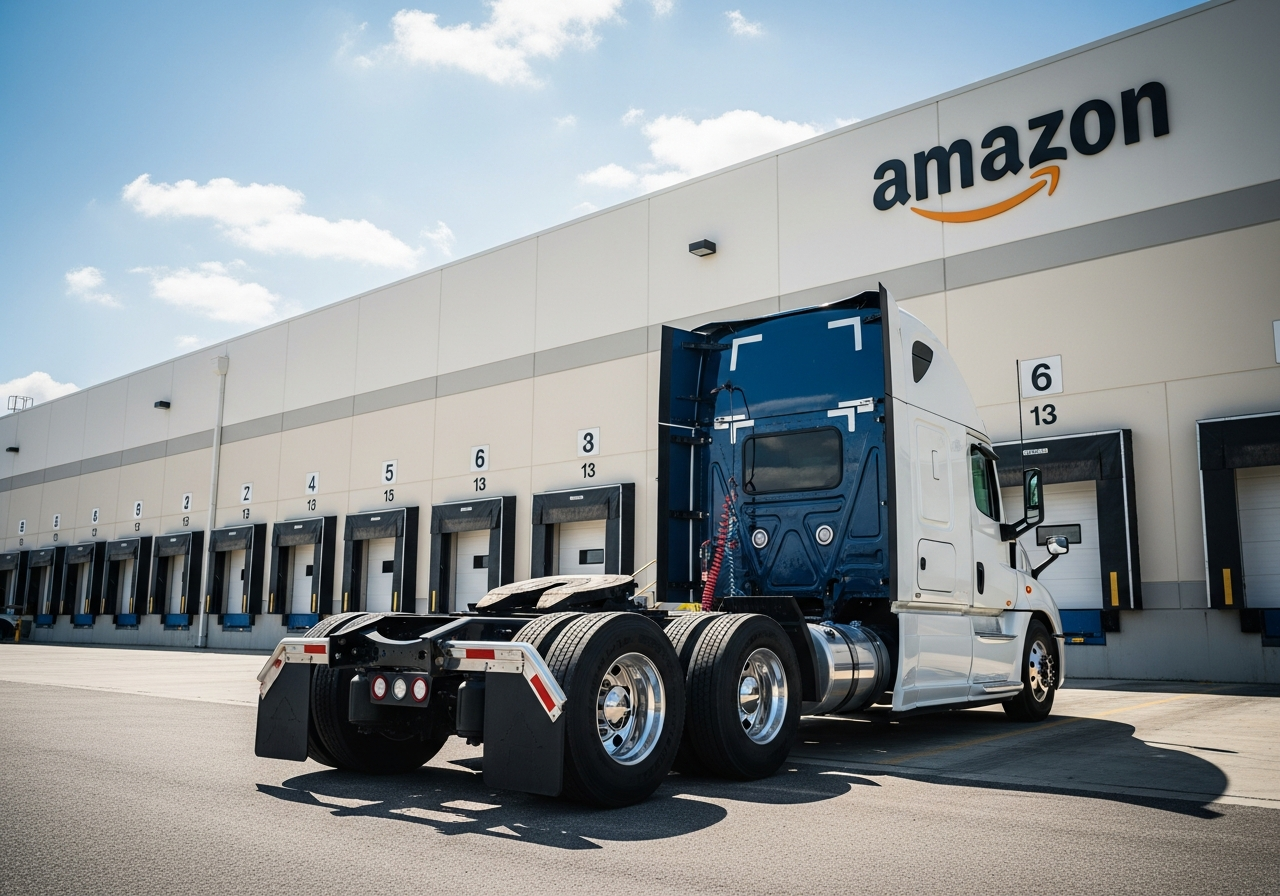
Day Cab Tractor
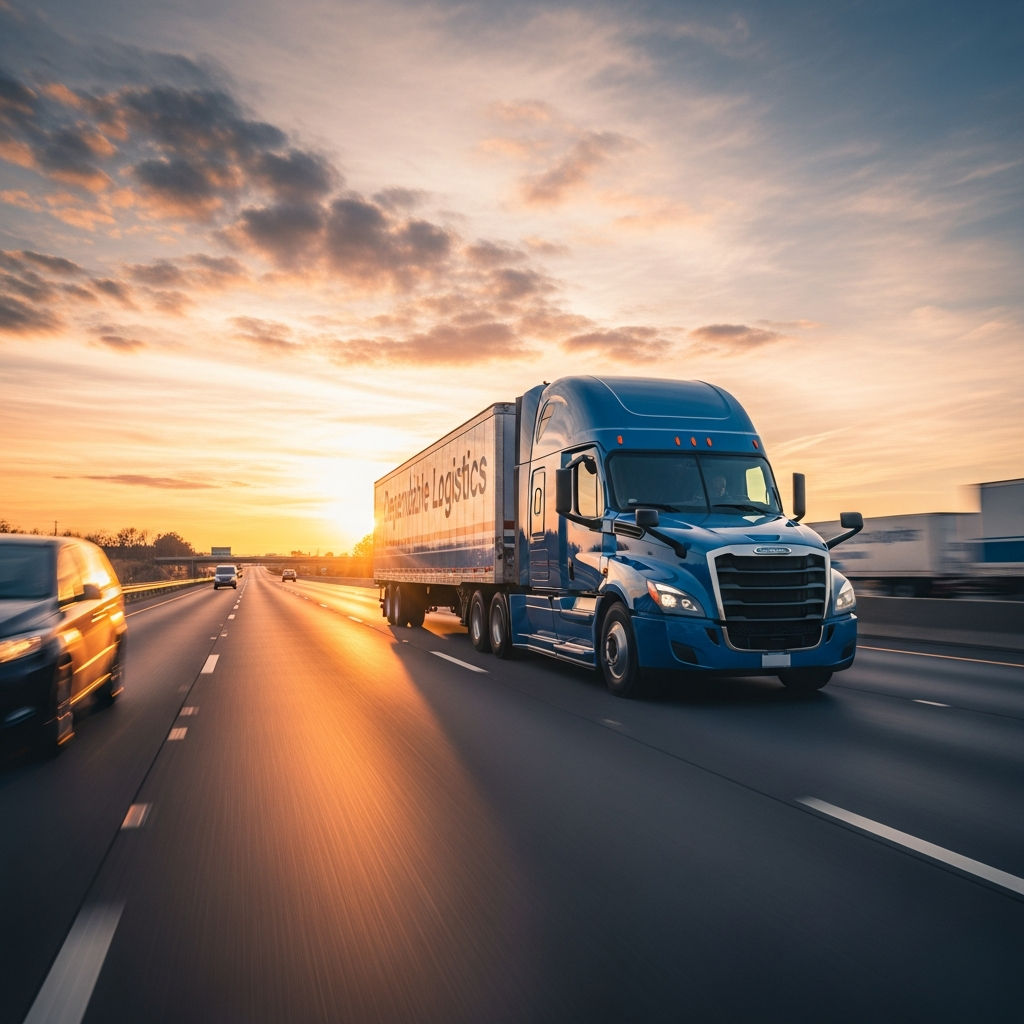
Sleeper Tractor
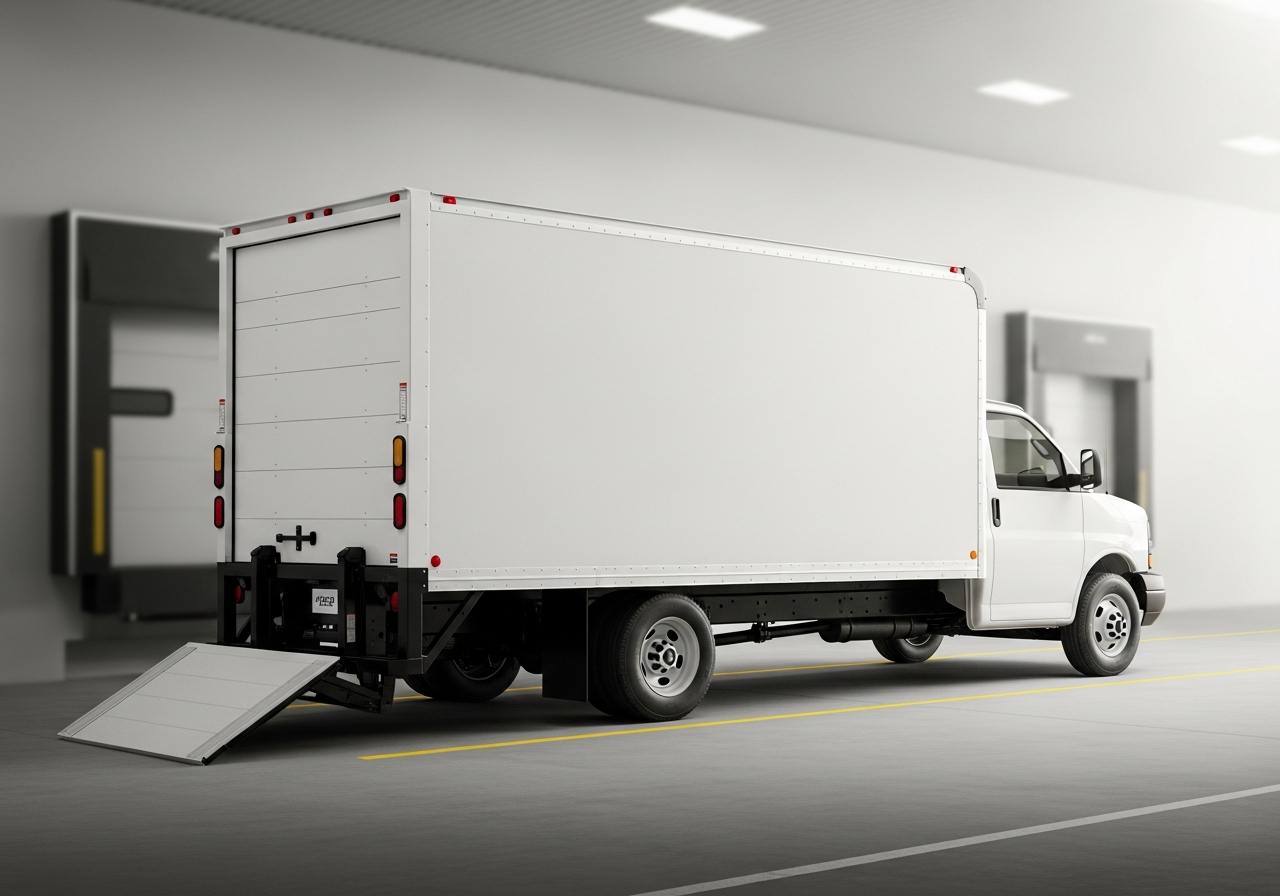
26' Box Truck
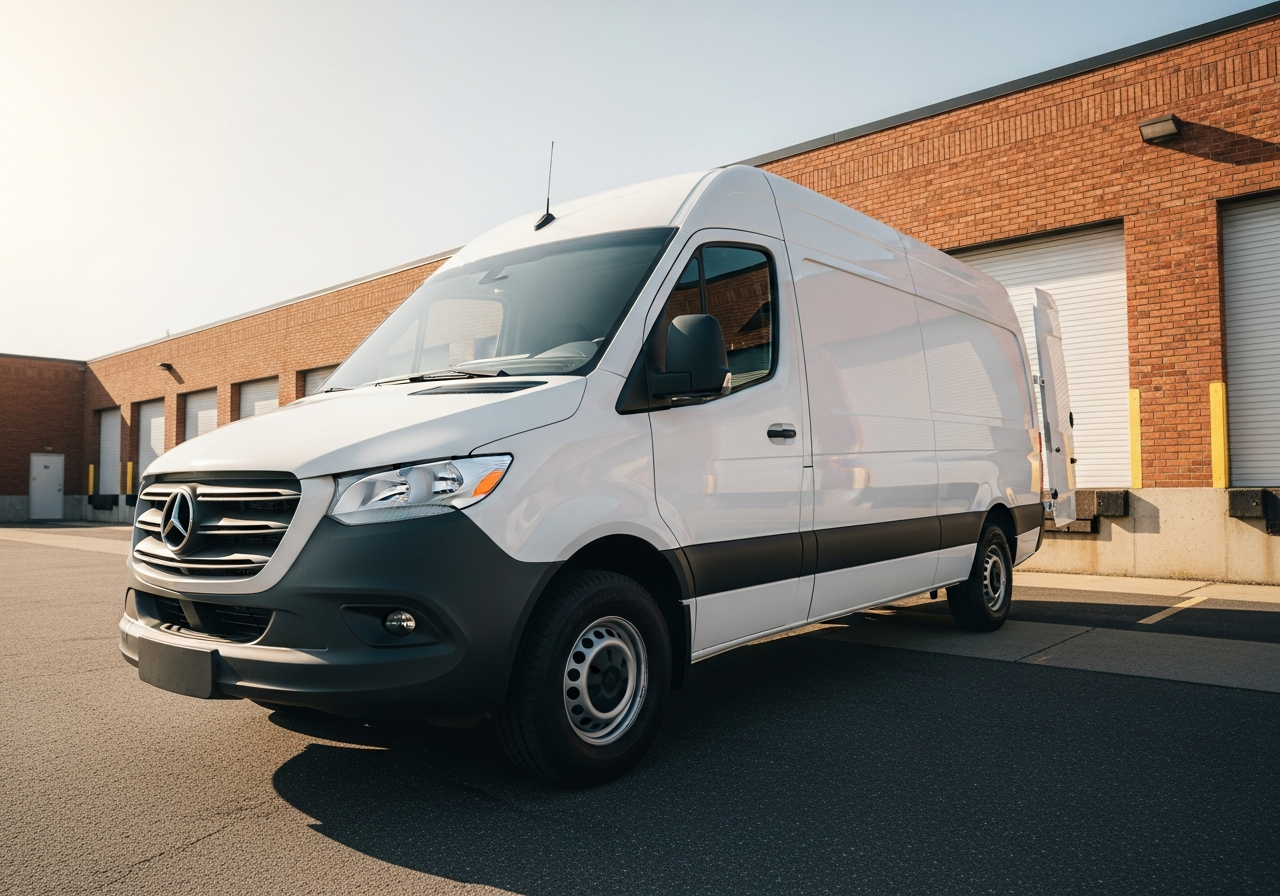
Sprinter / Cargo Van

53' Dry Van
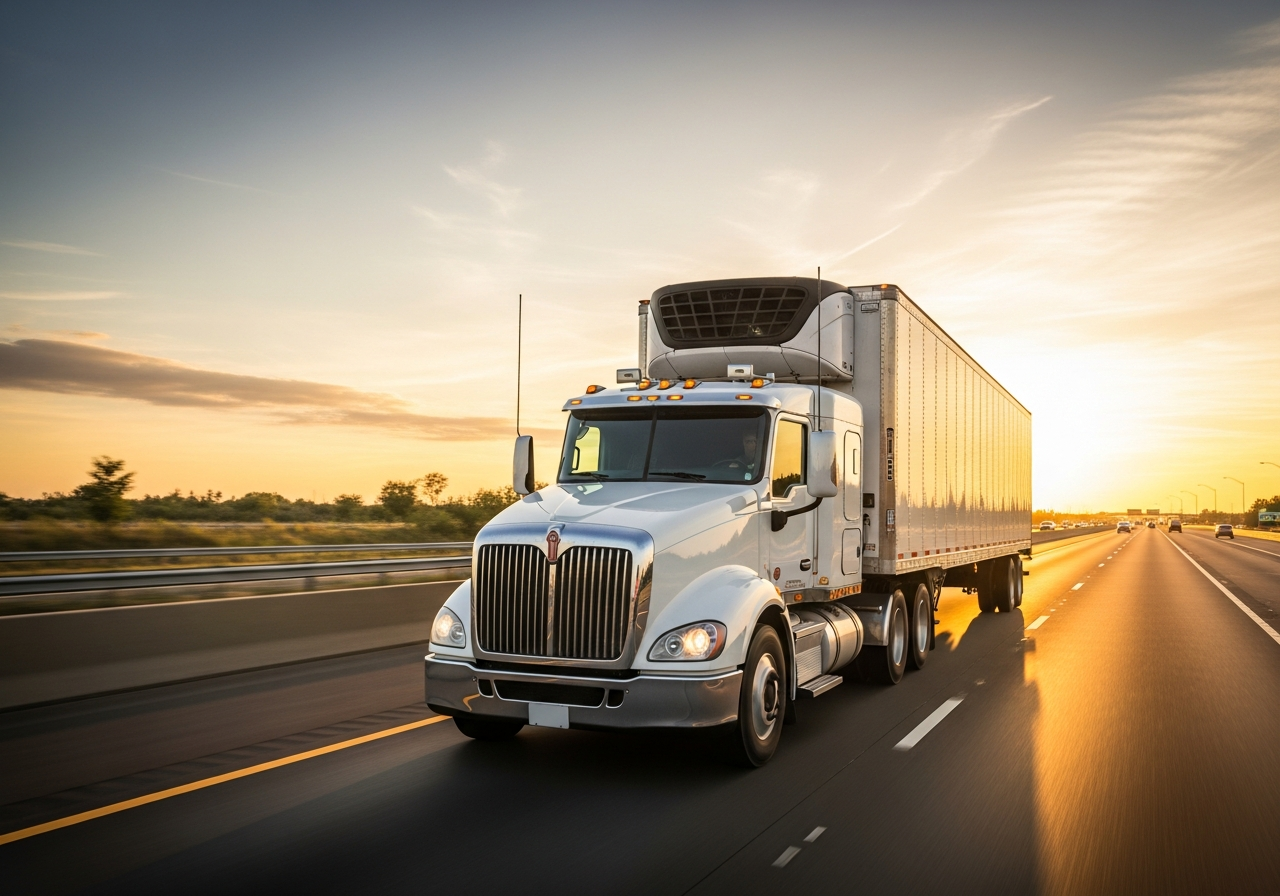
53' Reefer Trailer
Coverage Details to Verify
Commonly Listed Amazon Relay Coverage Minimums
Public onboarding requirements can change. Confirm current coverage, certificate, and verification instructions before you apply or accept a new operating arrangement.
Auto Liability
$1,000,000
Per occurrence · Verify current terms
Cargo Insurance
$100,000
Per occurrence · Verify current terms
Trailer Replacement Exposure
$50,000
Review terms for non-owned trailers
General Liability
$1M / $2M
Per occurrence / aggregate · Verify terms
Workers' Comp
State rules
Where applicable to your workforce
Employers Liability
$100,000
Where applicable · Verify current terms
Certificate, additional-insured, and verification instructions can change. Review the current onboarding instructions and make sure your legal entity, policy dates, limits, and requested wording match before submission.

The practical starting point
Separate platform minimums from your real operating fit
A certificate can meet a listed limit and still leave important questions unanswered. Start with two checklists: what the platform asks for, and what your trucks, drivers, routes, trailers, and freight actually do.
Platform checklist: Keep the current insurance limits, certificate instructions, authority details, and equipment requirements together before you begin an application.
Operations checklist: Compare those requirements with your actual radius, appointment schedule, trailer use, driver roster, and cargo profile.
Why it matters: Meeting an entry requirement is not the same as confirming that a policy and operating model fit every load you plan to book.
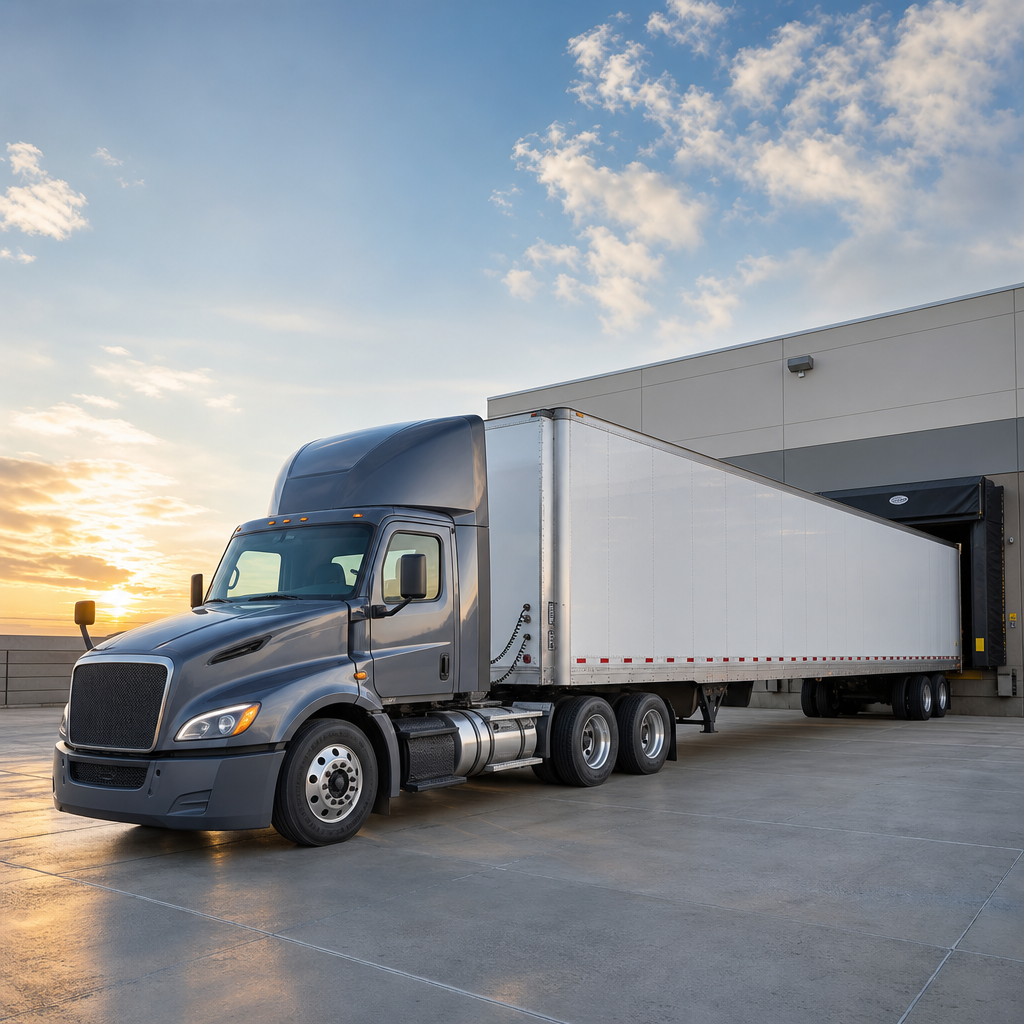
Equipment and operating model
Match the truck and trailer to the freight before you apply
A tractor, a box truck, a refrigerated unit, and a cargo van do not create the same operating or insurance questions. Confirm the current equipment specifications for the freight you want to move instead of relying on a broad equipment label.
Tractor operations: Review the planned lanes, trailer arrangement, operating radius, and whether the work is power-only, trailer-required, or a mix.
Straight trucks and vans: Check cargo-area dimensions, loading setup, lift-gate needs, and whether the specific program accepts the vehicle class.
Policy fit: Make sure the vehicle type and use described on the application are consistent with the work your business intends to perform.

Before the application
Make your records agree before a reviewer has to ask
Small inconsistencies can slow a review. Use the legal entity name, address, authority details, and vehicle information exactly as they appear in your current records and insurance documents.
Legal business details: Compare the application, operating authority, policy declarations, and certificate request line by line.
Dates and status: Confirm that policy dates, active authority, and any requested filings are current before documents are submitted.
One source of truth: Give dispatch and office staff a current document folder so old certificates or prior addresses do not get reused.
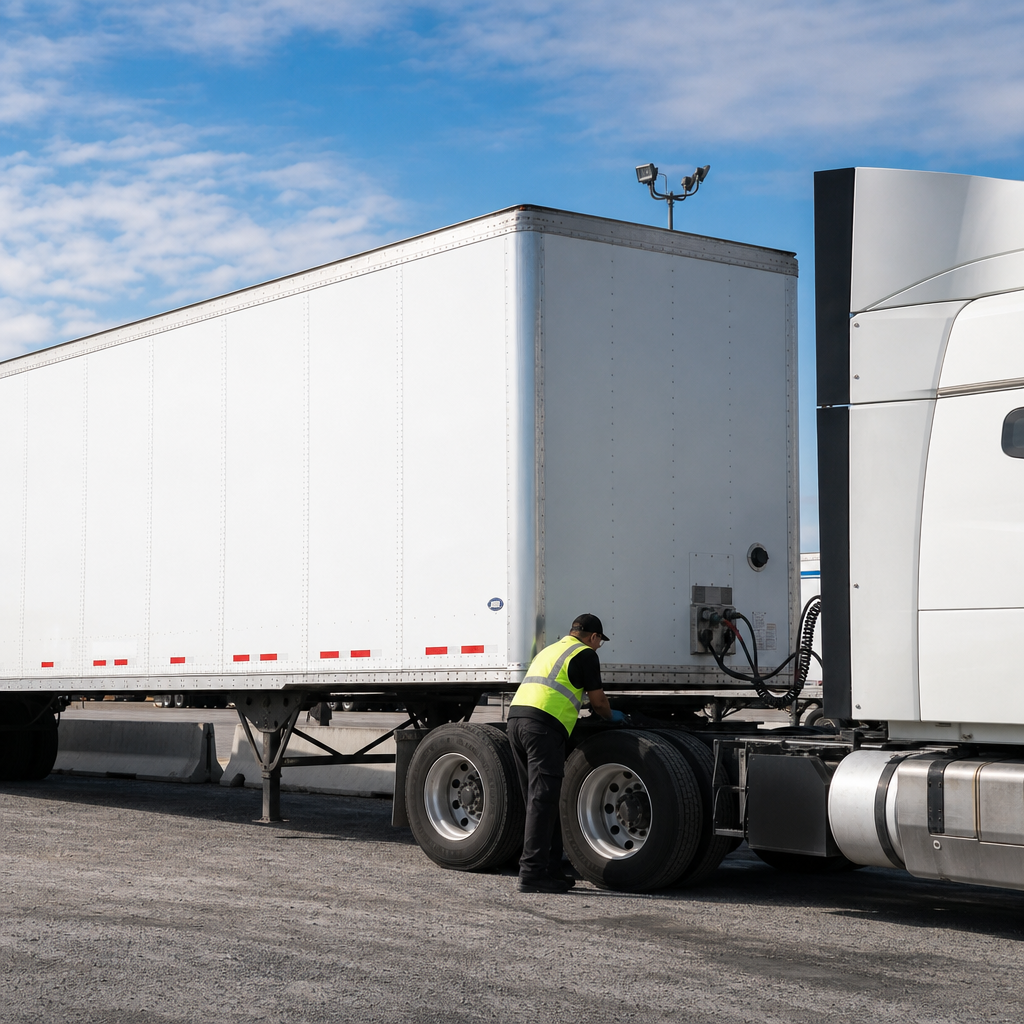
Power-only and drop-and-hook
Treat trailer custody as an active exposure
When your truck and driver move a trailer your business does not own, the trailer is still in your care for part of the trip. That deserves a deliberate review before power-only volume becomes routine.
Confirm the arrangement: Know whether the trailer is owned, leased, borrowed, or supplied for the load, and confirm what the work requires.
Review the insurance language: Ask how trailer damage, replacement, interchange, and non-owned trailer exposure are addressed for your actual operations.
Document condition: Use a consistent pickup and drop process for visible damage, trailer numbers, connections, and exceptions.
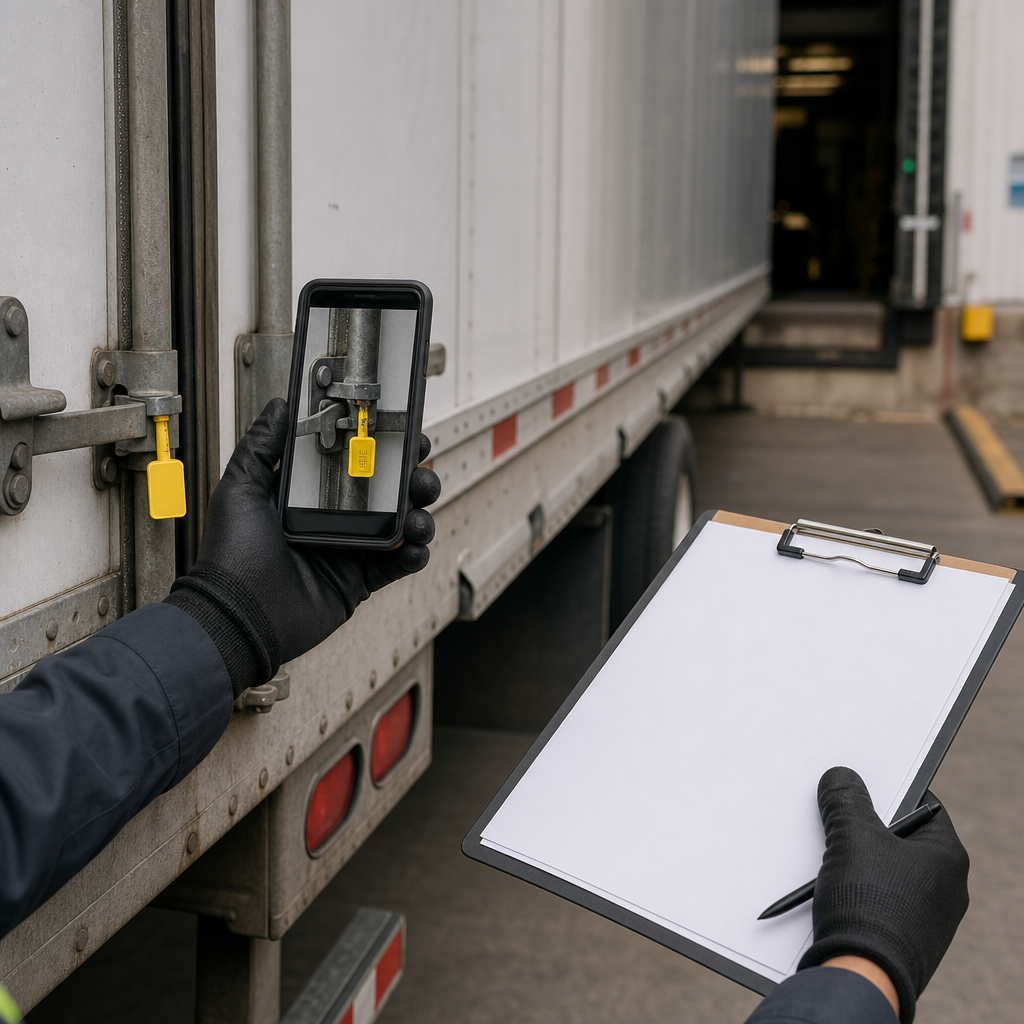
Cargo and load handoff
Build a clean record from pickup to delivery
Cargo limits matter, but documentation often tells the story after a shortage, damage, seal issue, temperature concern, or delivery exception. Fast-moving freight still needs a repeatable handoff process.
At pickup: Record seal condition, visible trailer condition, appointment details, and any exception before departure.
In transit: Follow the dispatch and temperature-control procedures that apply to the load, and raise issues as soon as they are known.
At delivery: Keep delivery confirmation, photos when appropriate, and a concise record of shortages, damage, or other exceptions.
Drivers, growth, and change
Review coverage when your fleet changes shape
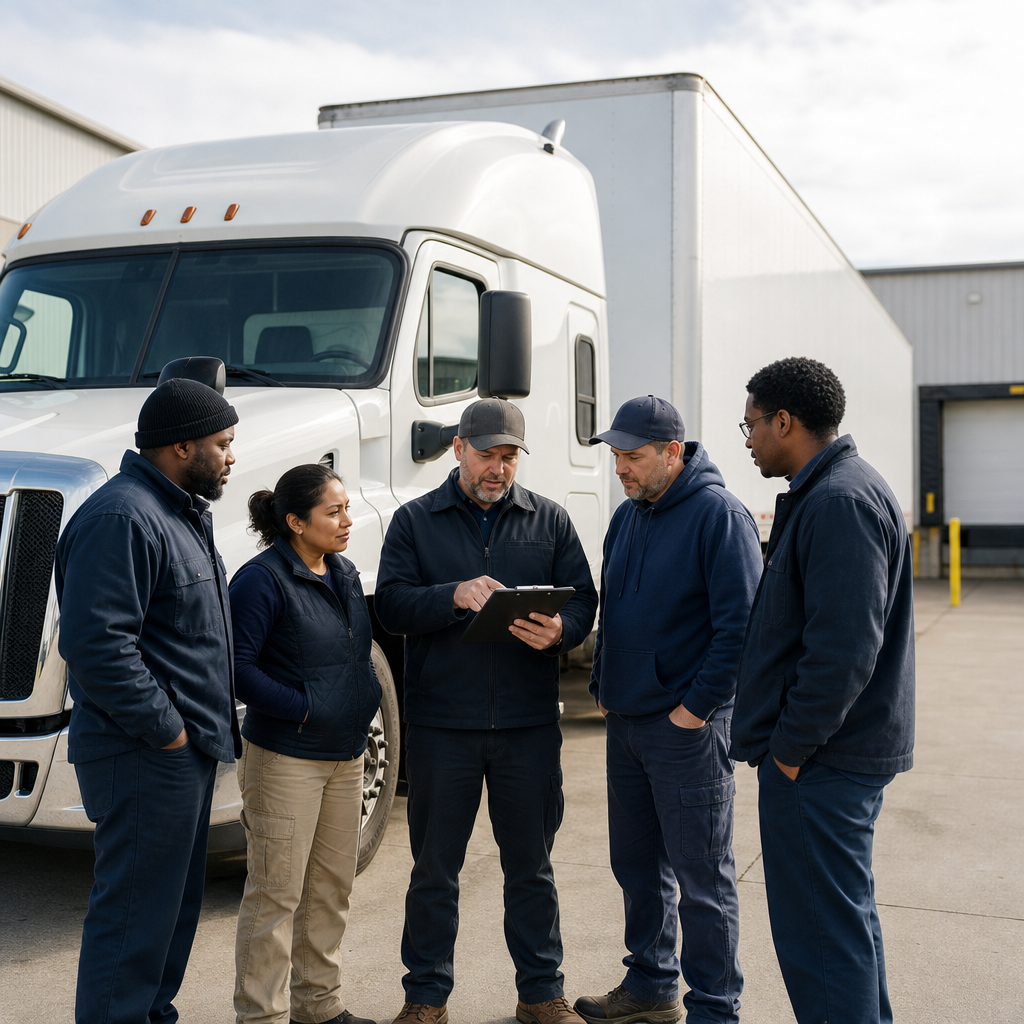
Adding a driver, truck, lane, trailer arrangement, or new operating territory can change the risk picture. The right time to review those details is before a rapid increase in freight, not after a loss.
Driver roster: Keep driver qualification, licensing, and safety information current and share material changes through the appropriate insurance process.
Equipment and territory: Update the business description if scheduled units, garaging, operating radius, or equipment type no longer reflect reality.
Capacity decisions: Do not assume subcontracting, borrowed equipment, or an outside driver fits the same coverage structure without a specific review.

Ready to request a review
Use a simple pre-application checklist
A short, accurate preparation step is more useful than rushing through a form. Gather the core information first, then request a Truxsurance review for insurance options that fit the operation you describe.
Have on hand: Your legal business details, USDOT and MC information if applicable, current policy documents, equipment details, and driver count.
Confirm internally: Your anticipated freight type, trailer arrangement, operating radius, appointment capacity, and documentation process.
Ask the right question: Instead of only asking whether you meet a minimum, ask whether the coverage and policy information match how your business will actually run.
Carrier Types
Who We Insure

Owner Operators
Box Truck Operators
Small Fleets
Why Us
Why TruxSurance
Online Quote Request
Start in a few minutes
Certificate Support
Available after binding
Trucking Specialists
Transportation only
Multiple Carriers
We shop the market
Dedicated Broker
Real person, fast answers
Multi-State Access
Where licensed and eligible
Step by Step
Prepare for an Amazon Relay Application
Confirm DOT Details
Review current carrier records
Confirm Authority
Verify status for your operation
Review Insurance
Request options that fit the work
Prepare Documents
Match policy and application details
Submit for Review
Follow current platform instructions
Plan Operations
Book only work your team can support
Authority tenure, safety status, equipment, and document requirements can change. Confirm the current criteria before you apply or rely on a prior approval experience.
Request an Insurance ReviewCoverage Options
What We Cover
Quick Answers
FAQ

Start Today
REQUEST INSURANCE FOR
AMAZON RELAY
Start an online request for insurance and RMIS filing support. Coverage, certificate issuance, and Amazon approval are not guaranteed and timing varies.