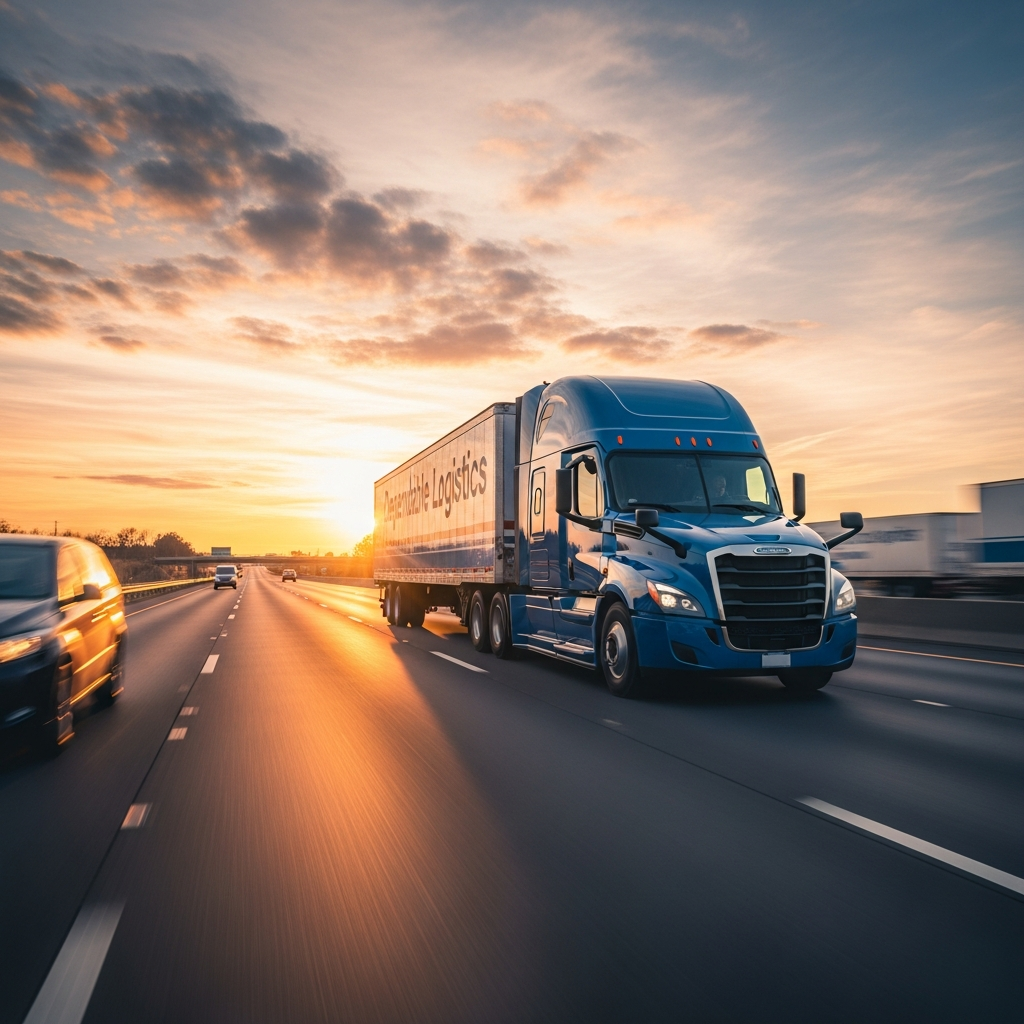
Washington commercial trucking operation
    WA

    Washington Commercial Truck Insurance

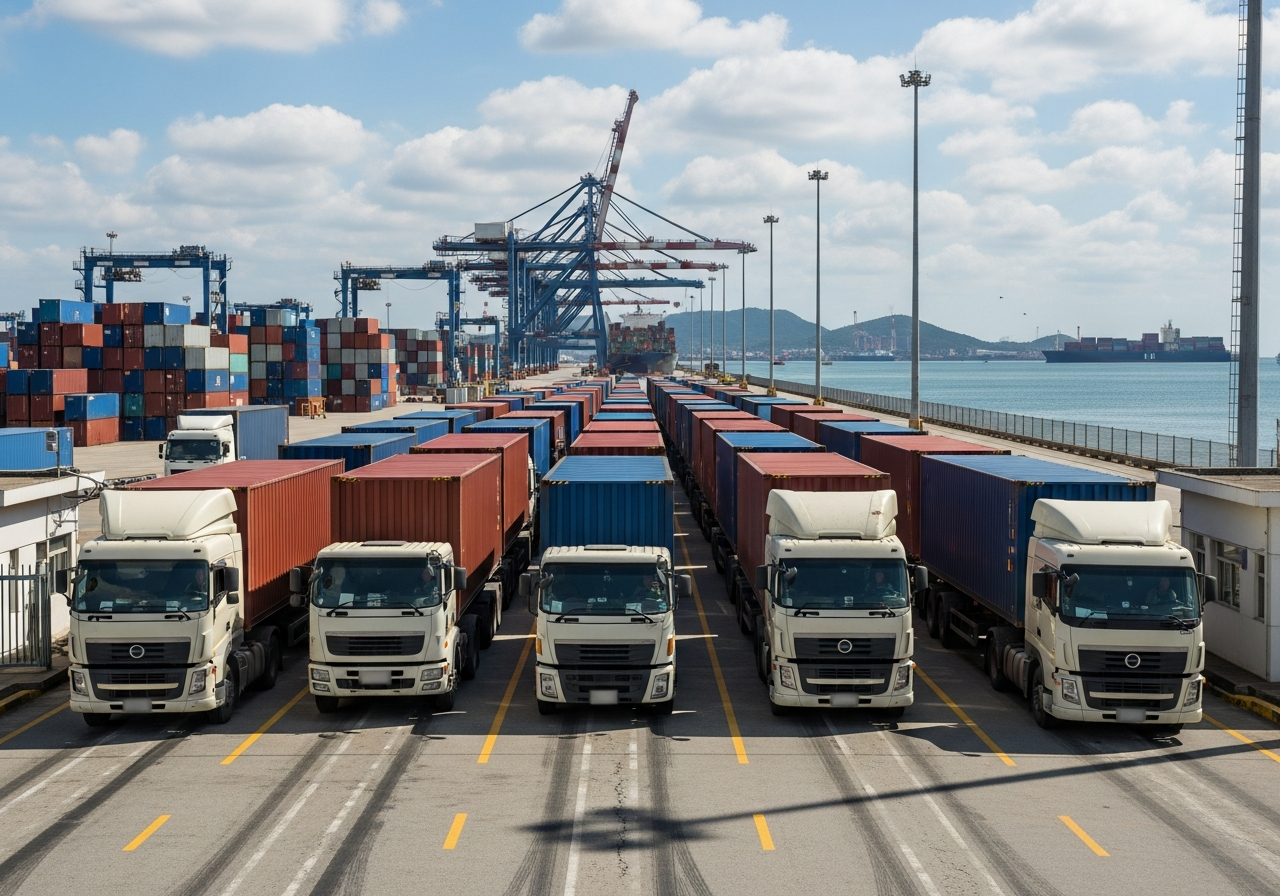
    Seattle and Tacoma port drayage, the I-5 corridor connecting Portland to Vancouver BC, Spokane distribution, and agricultural freight from the Yakima Valley — Truxsurance writes Washington commercial truck insurance for port carriers, intermodal haulers, and fleet accounts.

    Product and local operating guide

    Building a complete Washington commercial truck insurance submission

    Seattle and Tacoma port drayage, the I-5 corridor connecting Portland to Vancouver BC, Spokane distribution, and agricultural freight from the Yakima Valley — Truxsurance writes Washington commercial truck insurance for port carriers, intermodal haulers, and fleet accounts.

    A commercial trucking submission should connect the legal entity, authority, equipment, drivers, routes, commodities, customers, contracts, prior coverage, and loss history. Those facts—not a city name alone—shape carrier appetite, available forms, limits, deductibles, filings, and pricing.

    Document whether the business is an owner-operator, small fleet, expanding fleet, local delivery operation, regional carrier, long-haul carrier, contractor, or specialized hauler. Separate owned, financed, leased, and non-owned equipment and identify every use that may create a different exposure.

    For a Washington operation, the application should state where vehicles are actually garaged, every state or corridor served, maximum and typical radius, annual mileage, commodities, revenue, vehicle values, driver experience, prior coverage, and loss history. If the business is new, include relevant ownership, driving, safety, and industry experience instead of leaving the underwriter to infer it.
    Coverage structure

    The coverage review may include primary auto liability, motor truck cargo, physical damage, truckers general liability, trailer interchange, hired and non-owned auto, non-trucking liability, workers compensation, occupational accident, or excess liability. Only the issued policy and endorsements determine coverage.

    Deductibles, sublimits, scheduled equipment, covered causes of loss, exclusions, territory, and valuation provisions should be reviewed alongside the premium. A lower indication is not equivalent if it removes a required form or leaves a material exposure uninsured.

    Contracts, filings and certificates

    Customer, broker, shipper, platform, lease, and authority requirements should be compared with the proposed policy before binding. A certificate summarizes insurance; it does not create coverage or override exclusions, limits, endorsements, or contract language.

    Provide the current written requirement rather than a summary from memory. Review named insured, certificate holder, additional-insured wording, waiver requests, primary and noncontributory language, notice provisions, filings, and effective dates before accepting work.

    Claims-ready operating controls

    A strong insurance file also explains how the business prevents and responds to loss. Document driver qualification, onboarding, vehicle inspections, preventive maintenance, cargo securement, dash cameras or telematics, accident reporting, post-loss testing, cargo documentation, and escalation responsibilities.

    Keep schedules and operations current after binding. Adding vehicles, drivers, commodities, territories, contracts, equipment providers, or a different type of hauling can require carrier approval or a policy change. Report changes before the new exposure begins whenever possible.

    Original Truxsurance editorial imagery

    How the operation connects from equipment to delivery

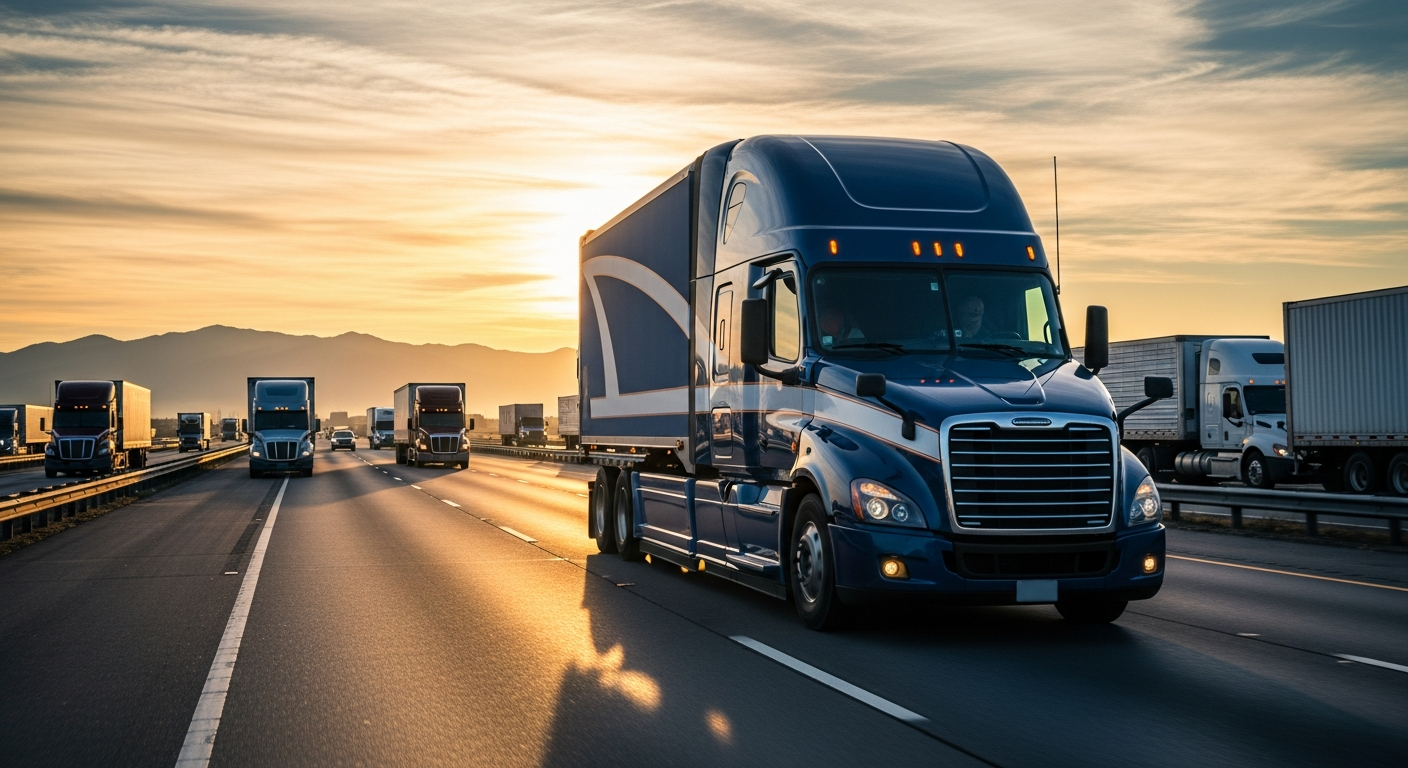
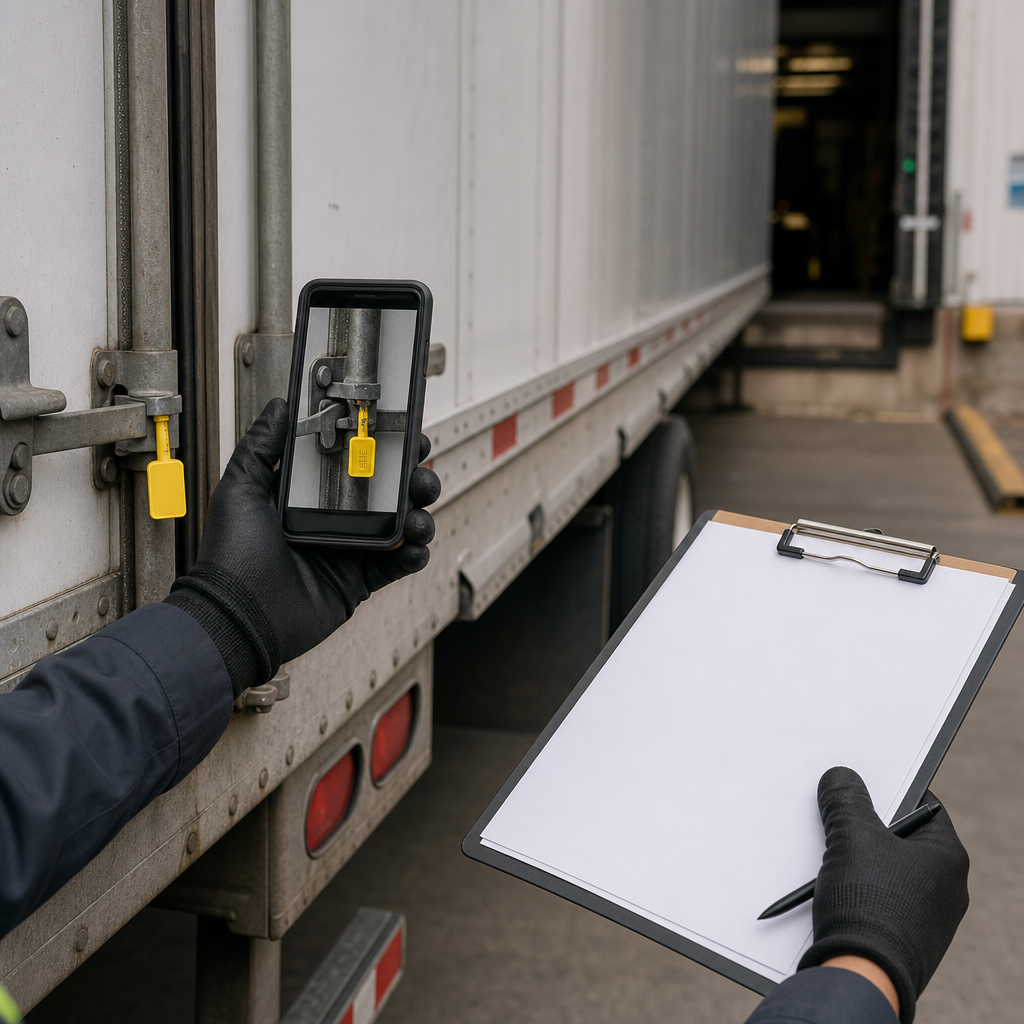
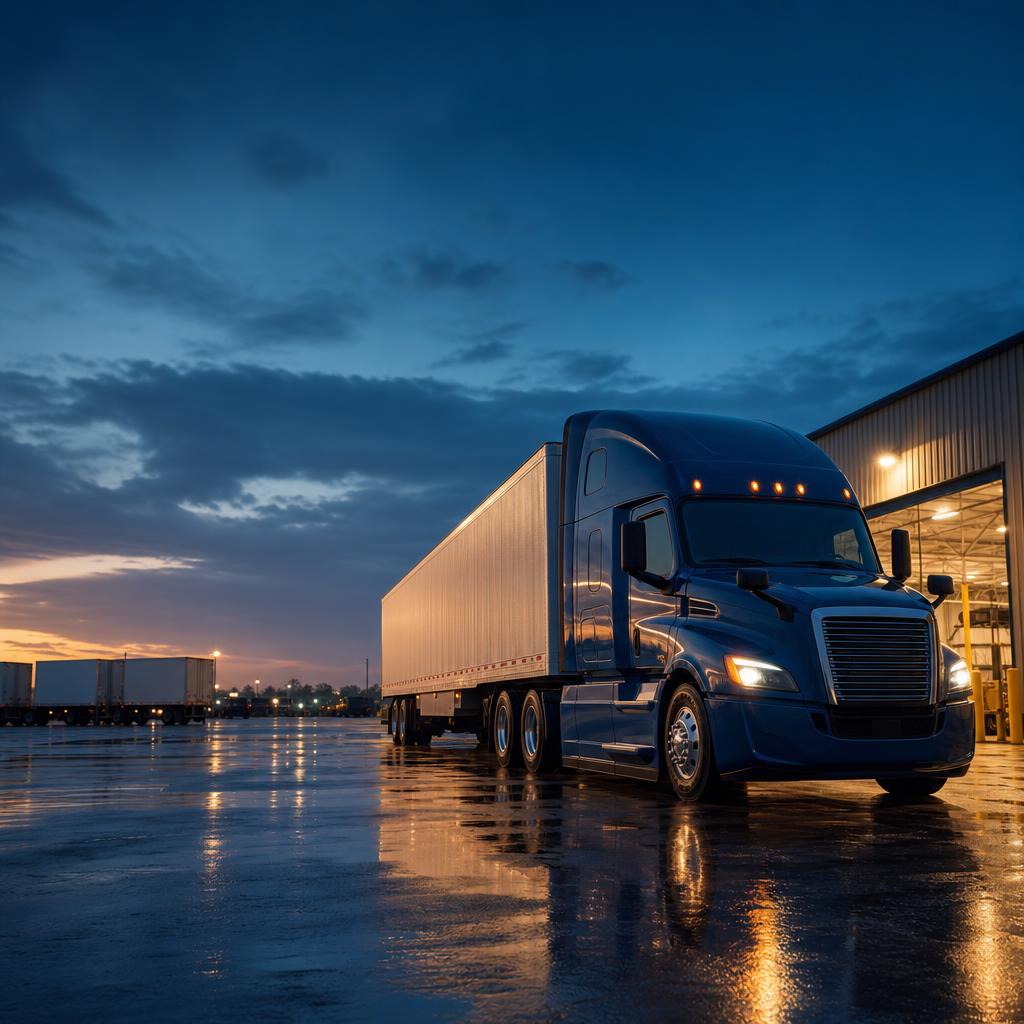
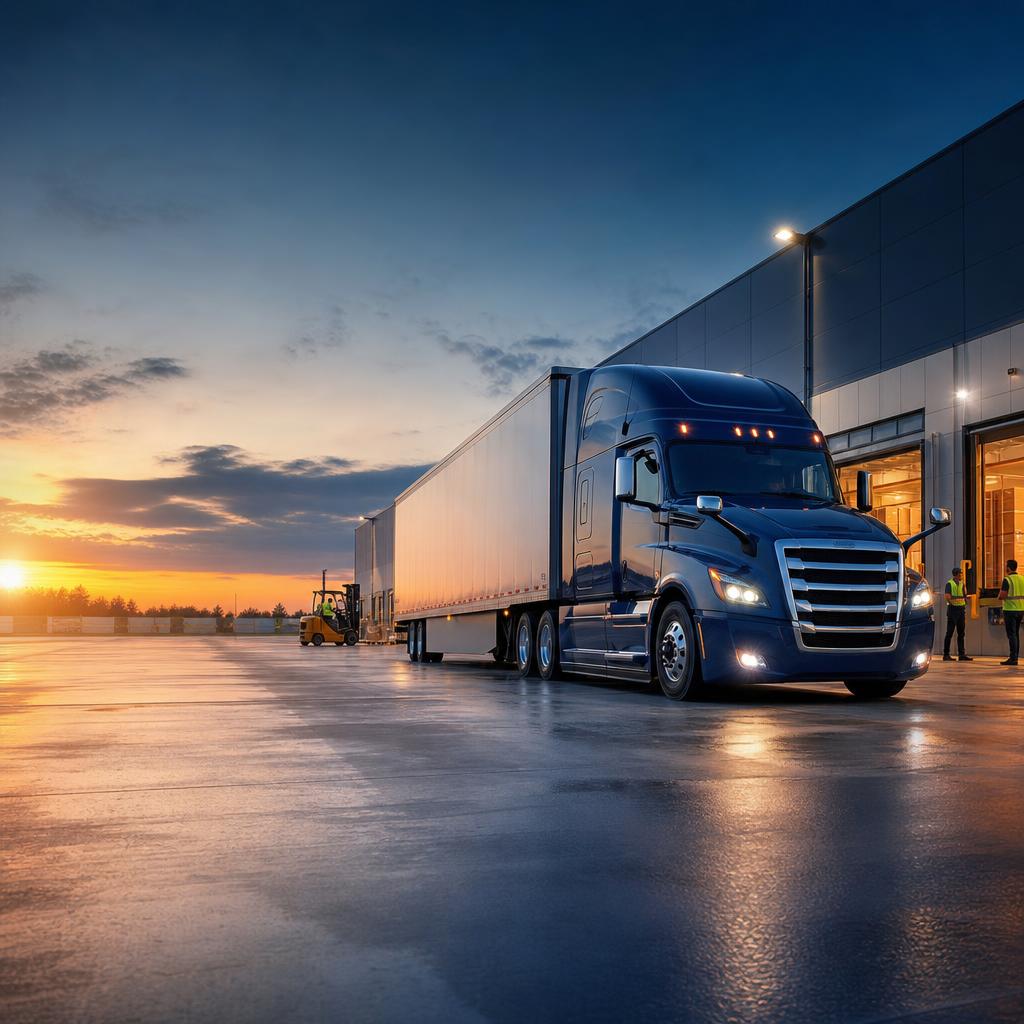
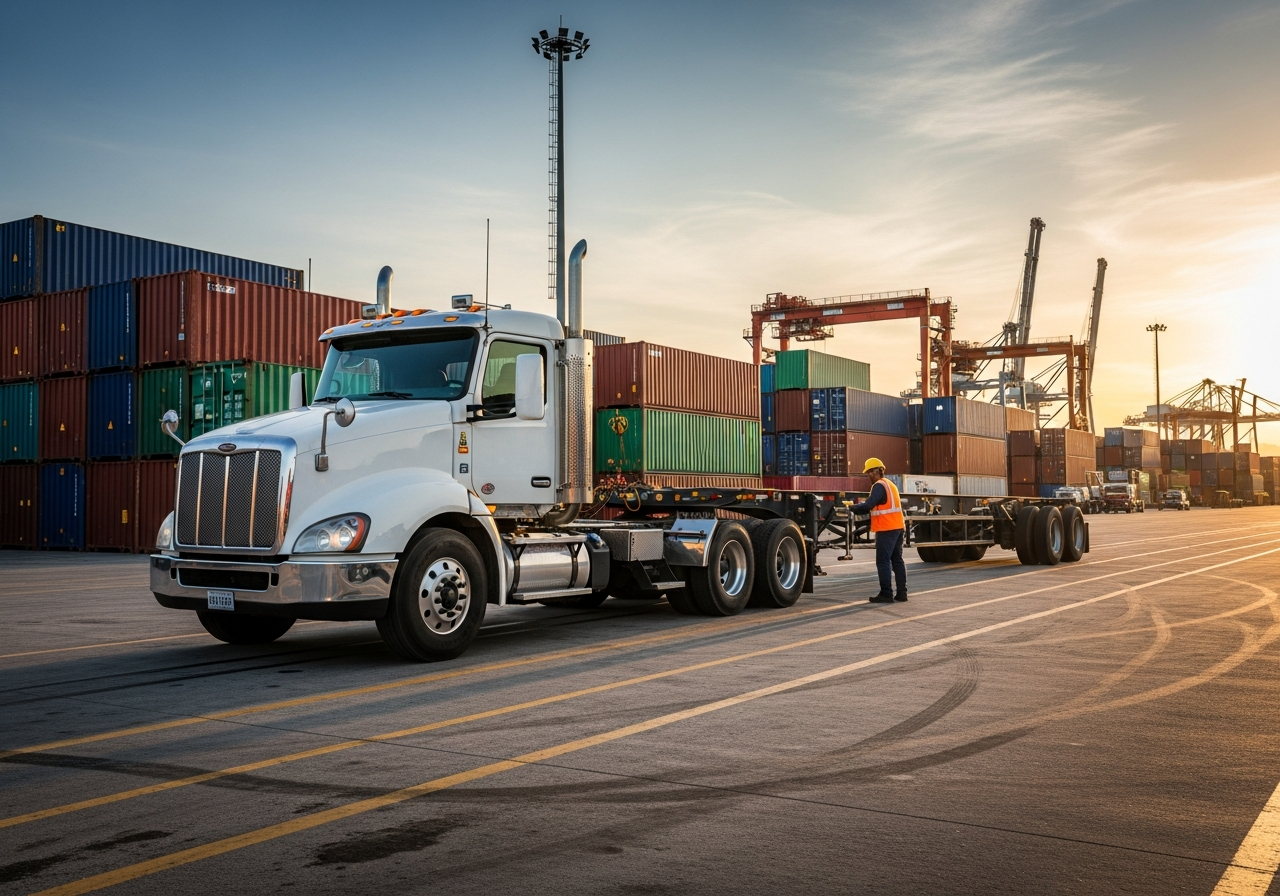
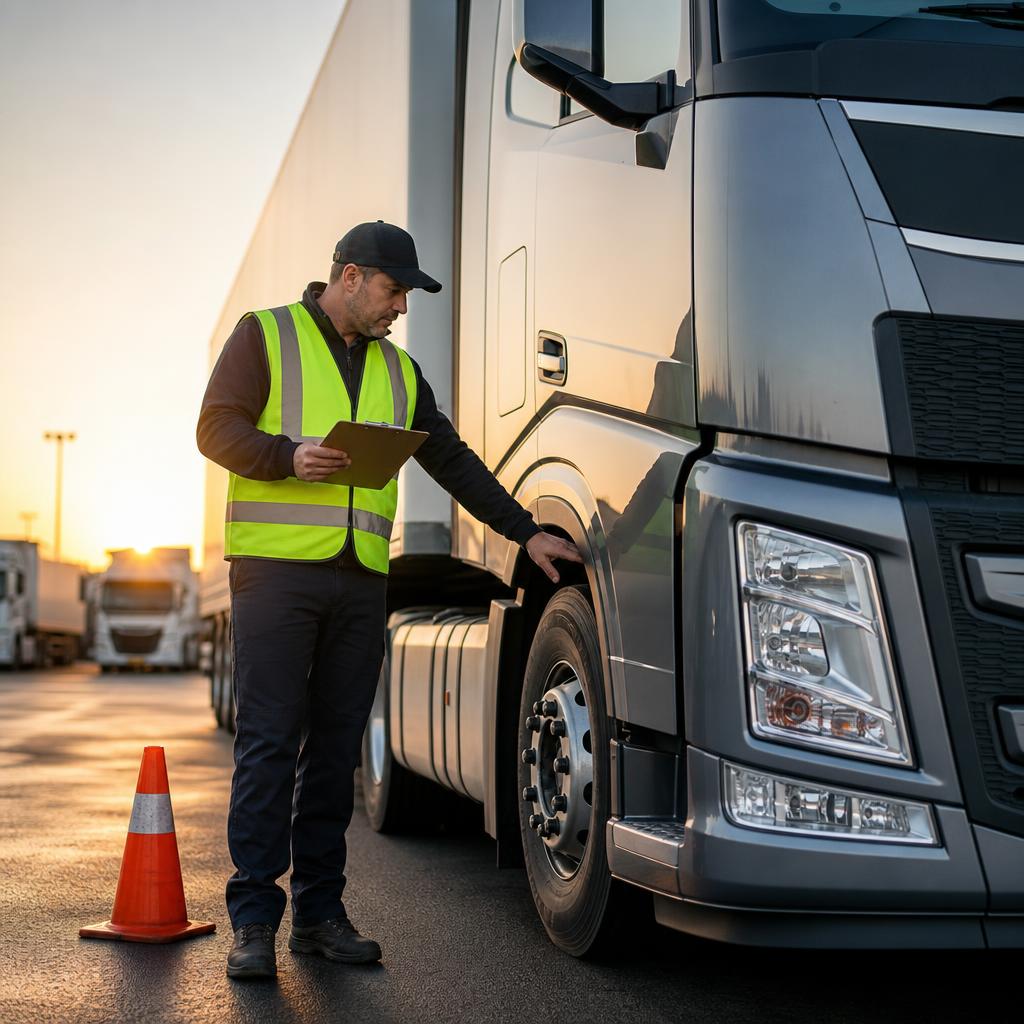
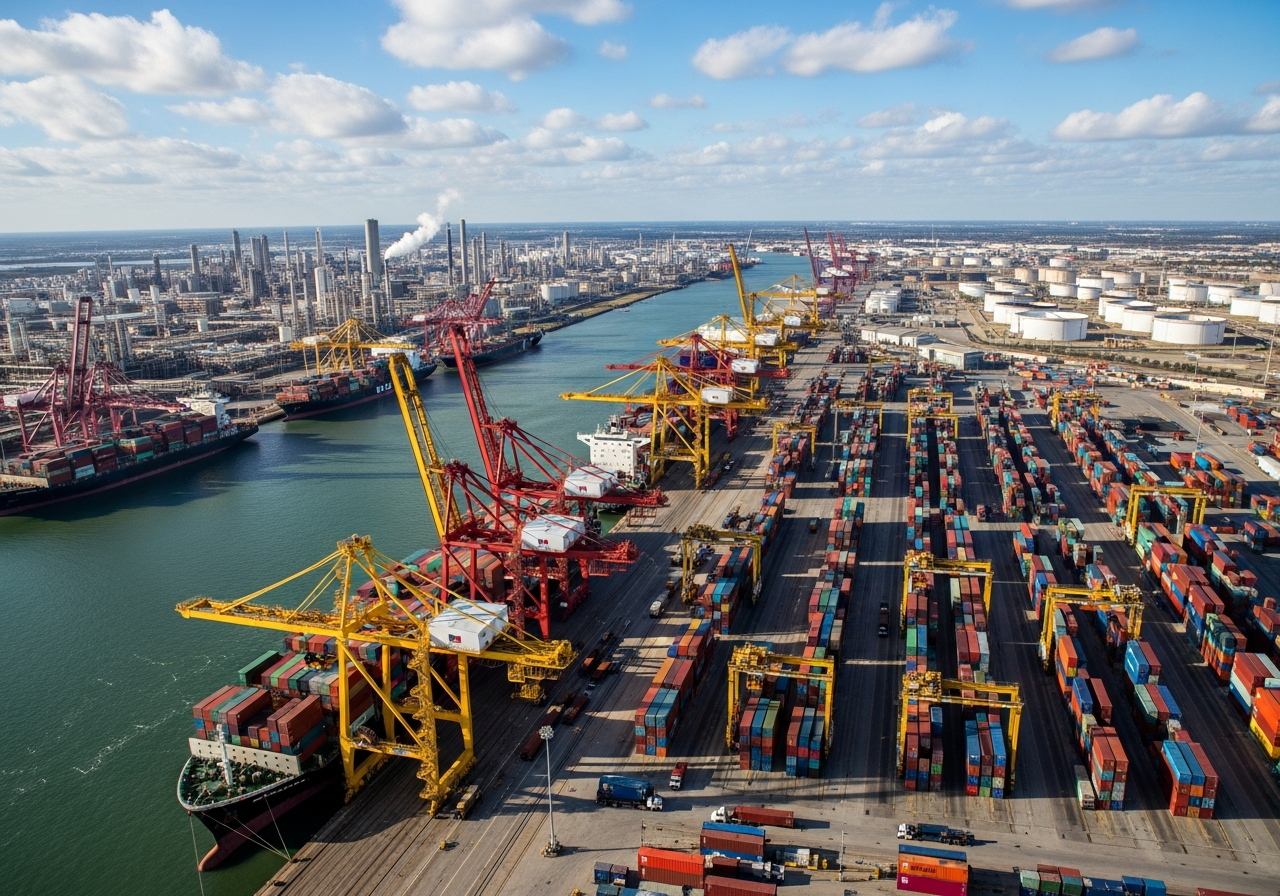
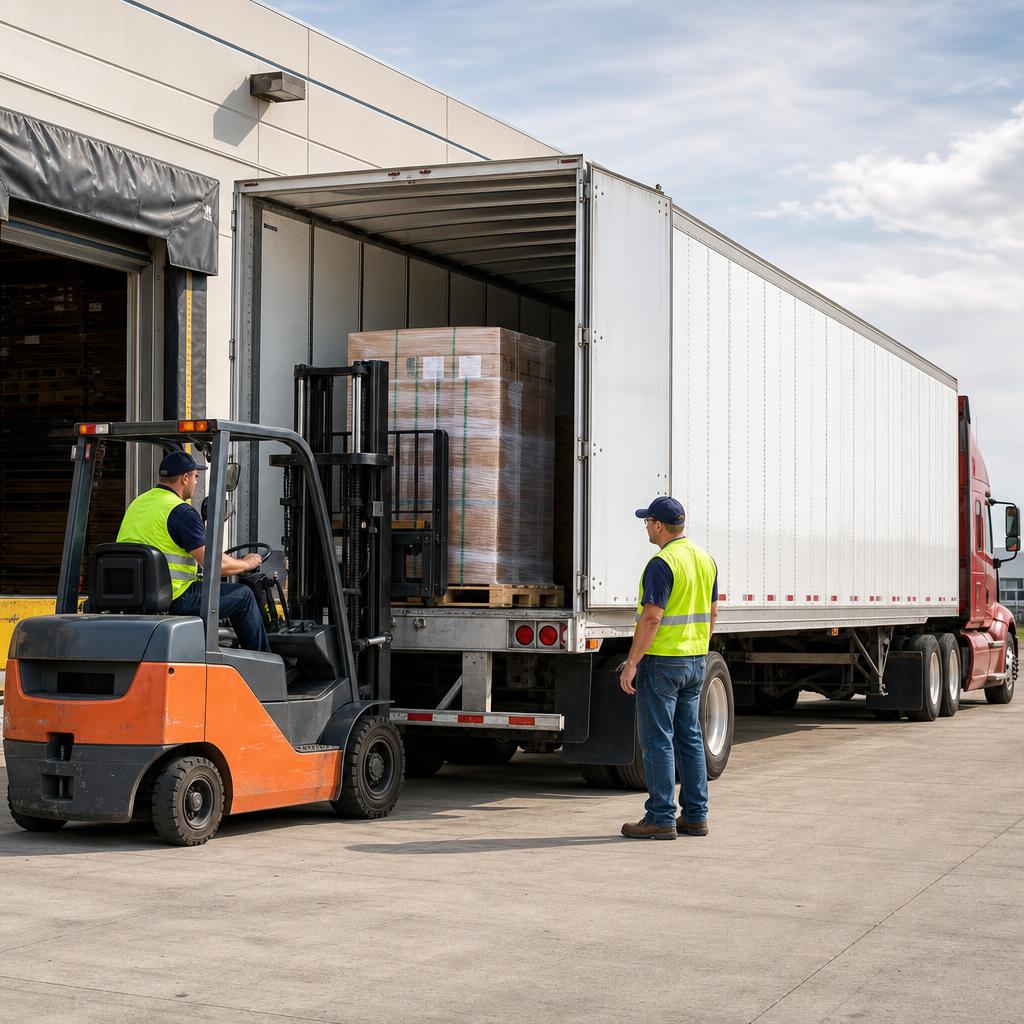
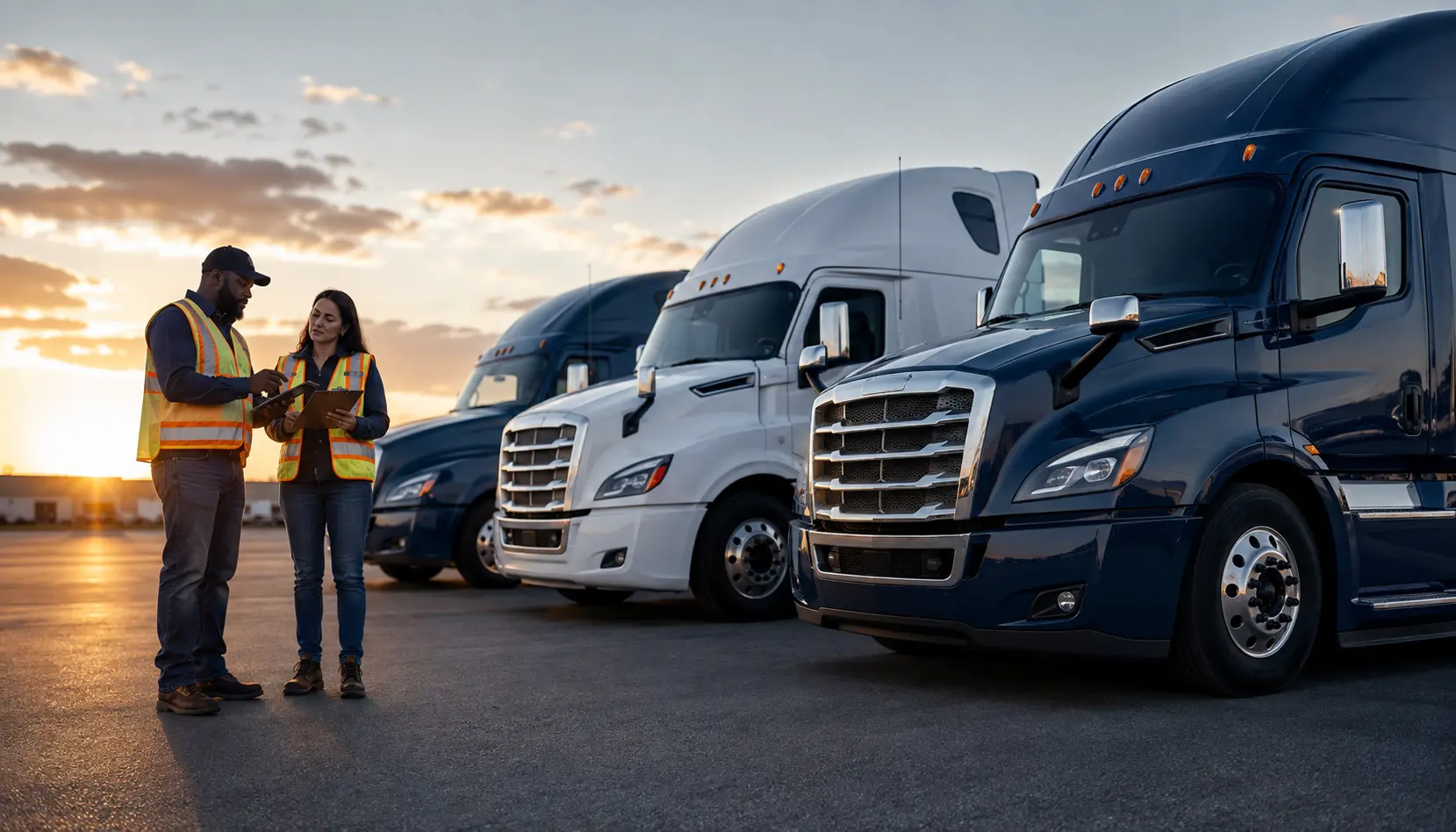
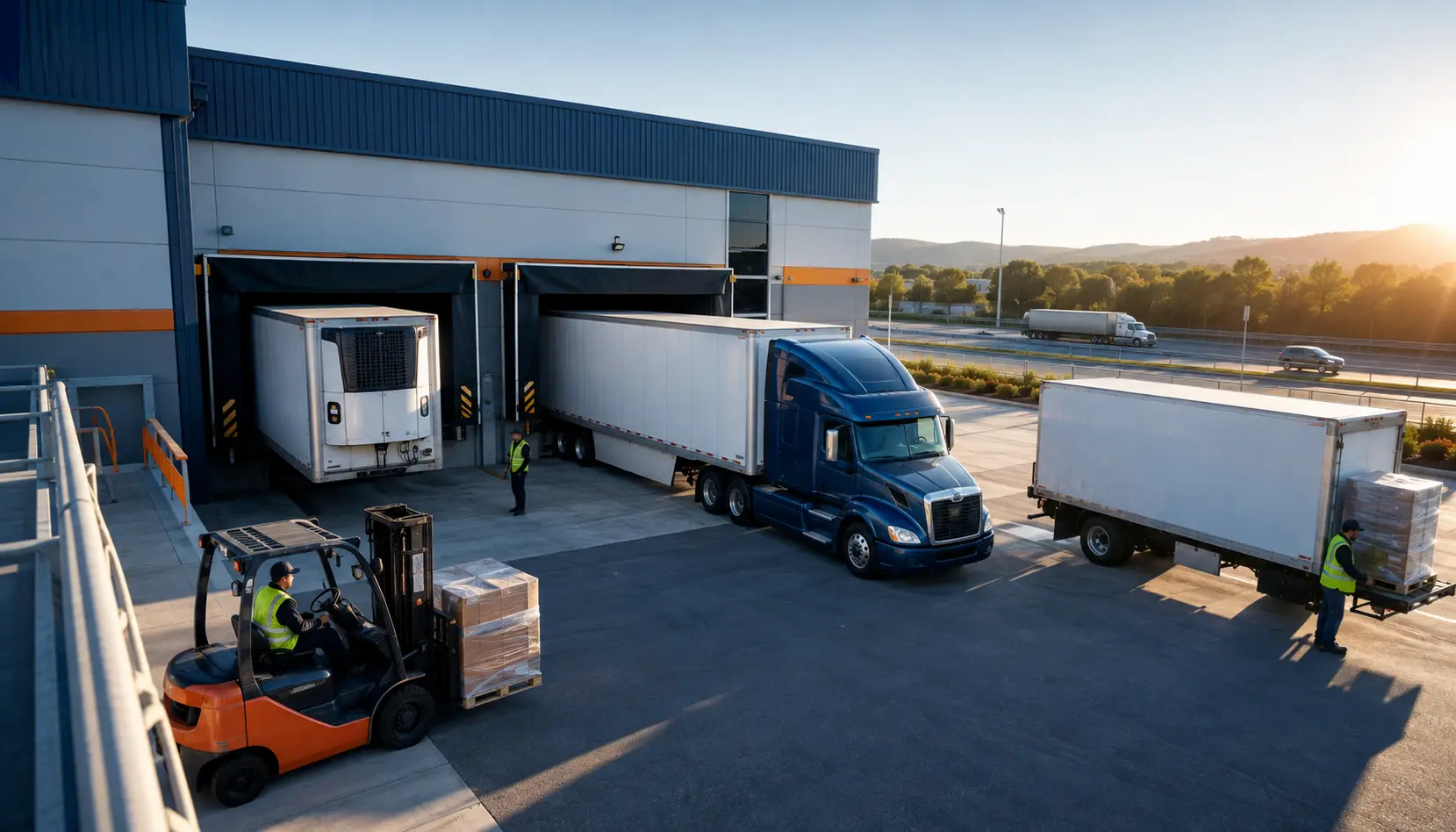
    These original images illustrate the operating details an application should describe. They are representative—not photographs of a specific insured, terminal, railroad, port, or facility in Washington.

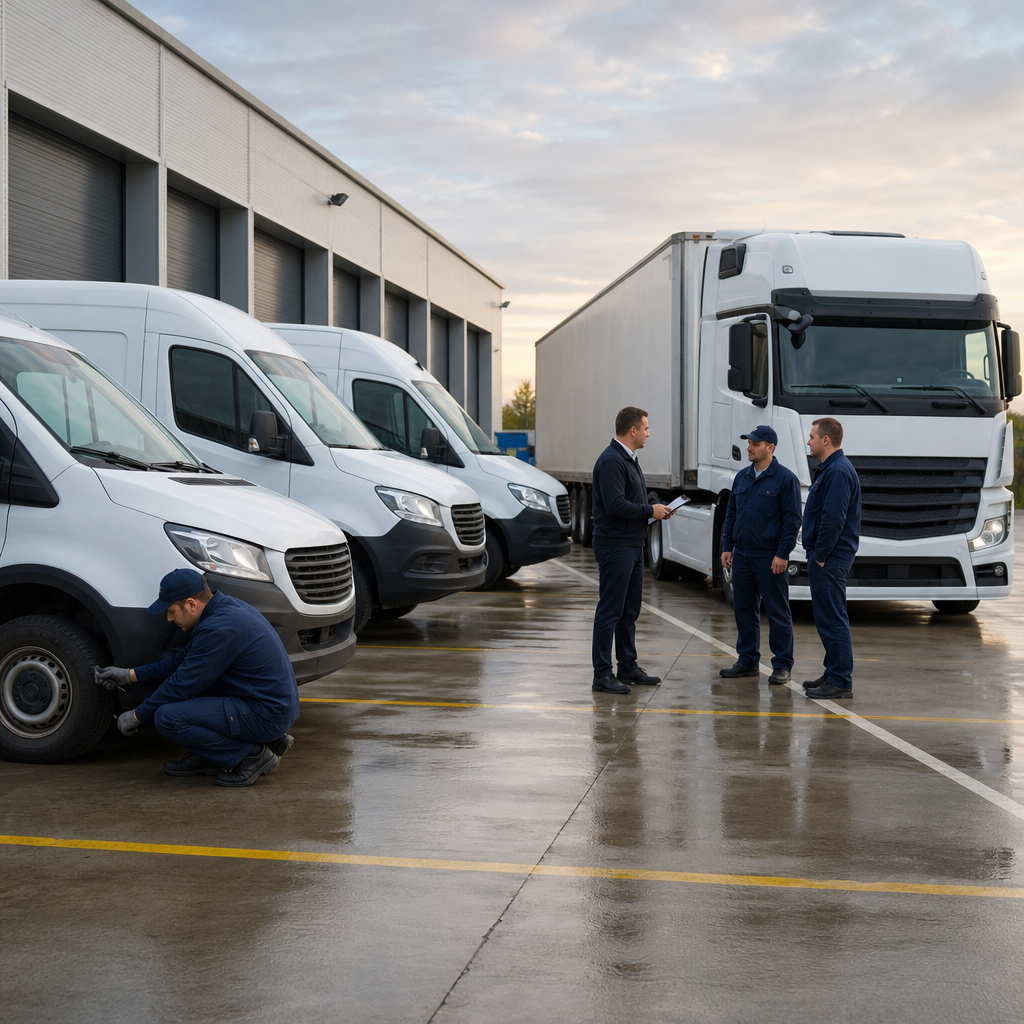
    Fleet owner and safety manager inspecting commercial tractors

    Fleet, driver and equipment review

    A useful submission ties every scheduled unit and driver to the actual routes, cargo, garaging, safety controls and business use.

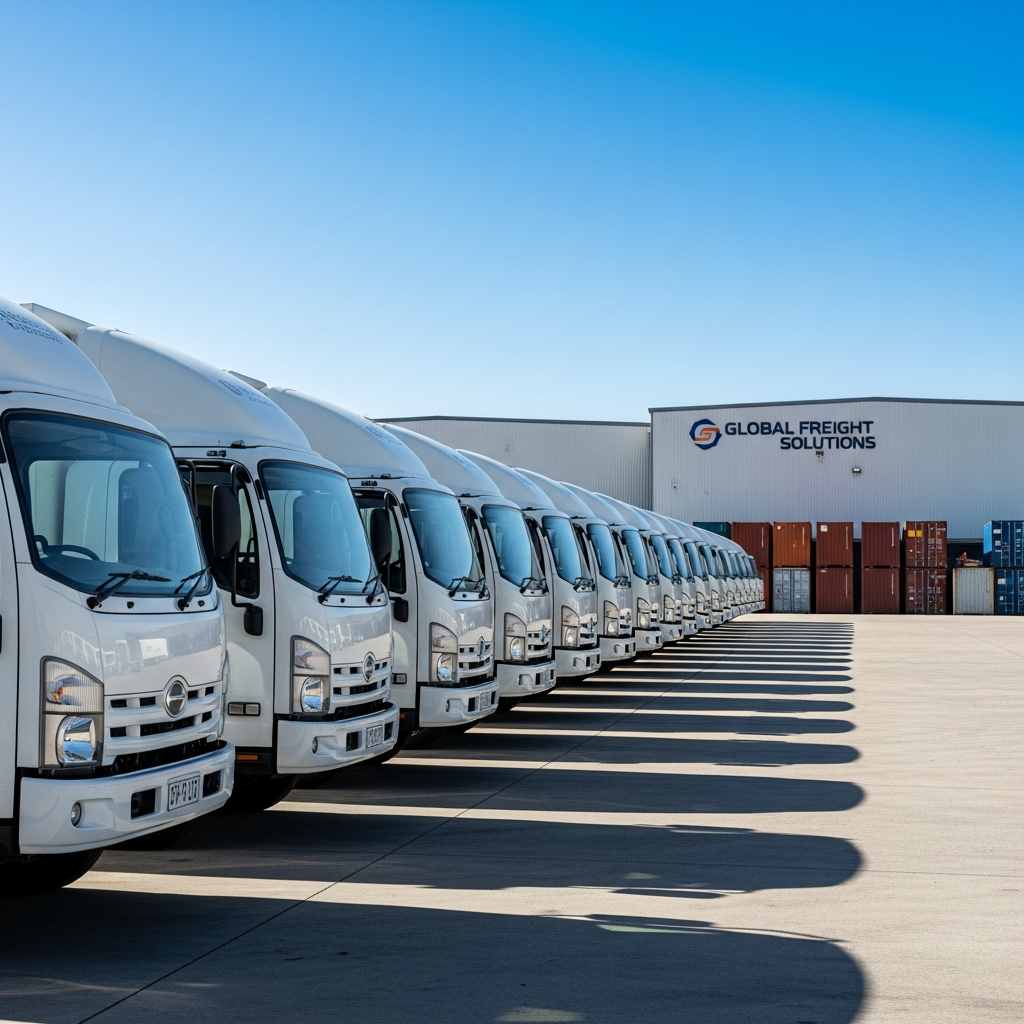
    Trucks and workers handling freight at a distribution warehouse

    Warehouse and delivery exposure

    Cargo handling, loading, refrigeration, delivery radius, customer mix and overnight parking complete the end-to-end risk picture.

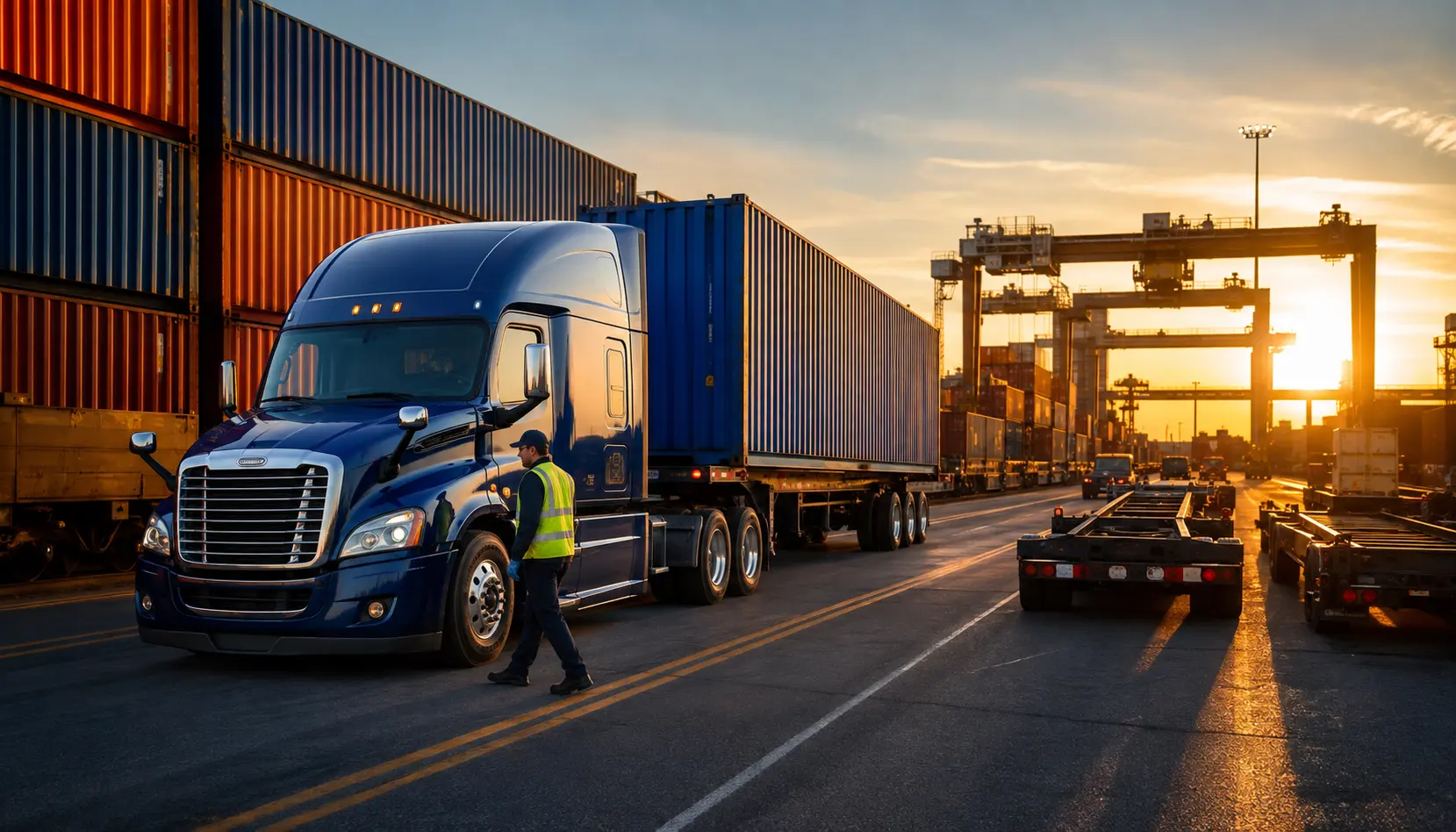
    Intermodal container truck operating beside a rail ramp

    Rail-ramp and intermodal operations

    Rail facilities, equipment providers, container custody, chassis use and interchange requirements should be identified before quoting.

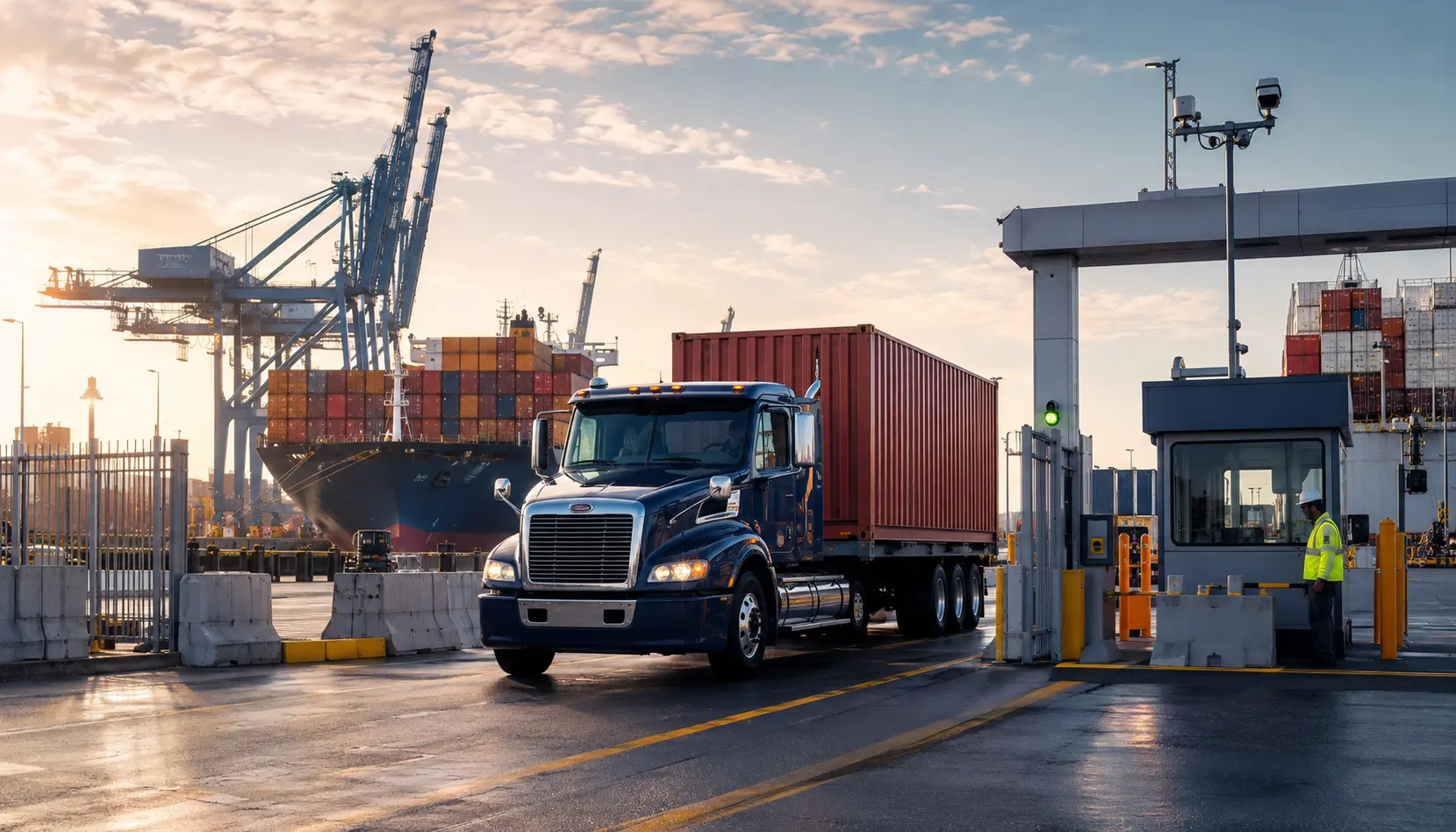
    Day-cab container truck entering a marine terminal gate

    Marine-terminal access

    Terminal access, credentials, gate activity, appointments, container volume and contract requirements belong in the operating profile.

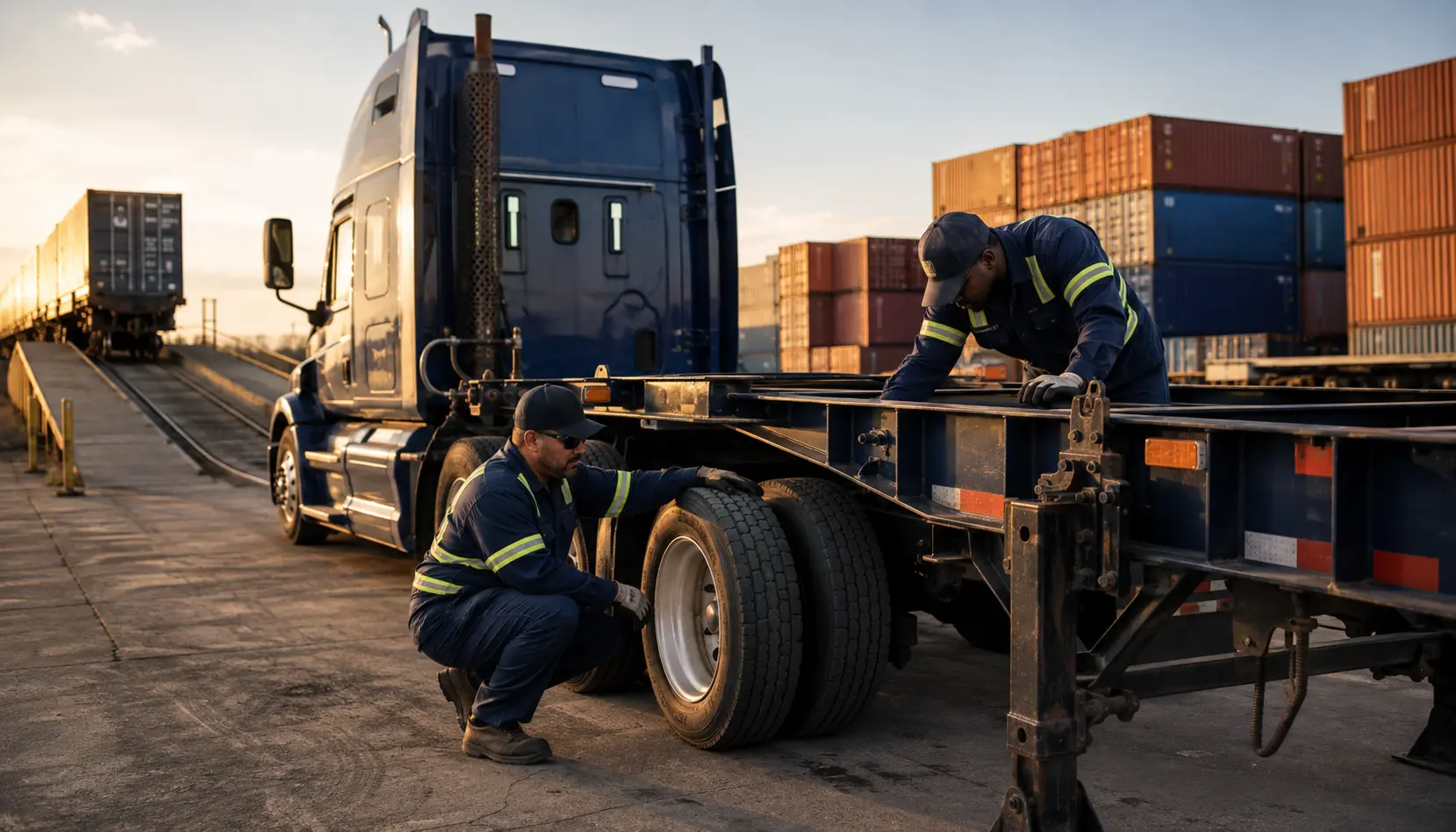
    Drayage team inspecting a container chassis and tires

    Chassis custody and inspection

    Interchange agreements, non-owned equipment values, inspection practices, maintenance and securement affect the coverage discussion.

    Quote comparison and renewal discipline

    Compare proposals on the same exposure basis and verify the named insured, vehicles, drivers, limits, deductibles, forms, endorsements, filings, payment terms, exclusions, and carrier conditions. Before renewal, reconcile schedules and operations, request loss runs early, document safety improvements, and address open claims or compliance issues.

    Truxsurance can help organize the insurance submission and review available market terms. Final eligibility, pricing, forms, coverage, filings, and timing remain subject to complete information, carrier underwriting, binding, and the issued policy.

    8
    Coverage Categories
    Owner + Fleet
    Operations Served
    Statewide
    Service Area
    Online + Phone
    Quote Access
    Statewide trucking expertise

    Insurance Built Around How You Operate in Washington

    A trucking policy should reflect more than a truck count. Our submission considers your commodities, radius, contracts, driver experience, garaging, equipment values, loss history, authority status, and certificate requirements before approaching available markets.

    Whether you run one power unit or a growing fleet, we help organize the schedules and underwriting details carriers need, identify coverage gaps, and coordinate certificates and eligible filings after coverage is bound.

    Owner-operators and new ventures
    Local, regional, and interstate fleets
    Dry van, reefer, flatbed, and specialized
    Drayage, intermodal, and last-mile
    Washington freight and logistics network

    Washington Trucking Industry Spotlight

    Key freight sectors and logistics hubs we specialize in across Washington.

    Washington Local & Regional Freight
    Industry Focus

    Washington Local & Regional Freight

    Coverage placement for owner-operators and fleets running local delivery, distribution, and regional freight lanes throughout Washington. We review operating radius, commodities, equipment, driver experience, and contract requirements before approaching available markets.

    Washington Distribution & Cargo Operations
    Industry Focus

    Washington Distribution & Cargo Operations

    Motor carriers serving warehouses, manufacturers, retailers, brokers, and fulfillment networks can combine auto liability with cargo, physical damage, general liability, and other coverages appropriate to the operation.

    Interstate, Contract & Specialized Hauling
    Industry Focus

    Interstate, Contract & Specialized Hauling

    For interstate authority, contracted freight, and specialized equipment, we help organize underwriting details, identify requested filings and endorsements, and coordinate certificates after eligible coverage is bound.

    Why Washington Trucking Companies Choose Truxsurance

    A-rated carriers including Geico, Berkshire Hathaway, Canal, Northland, Applied Underwriters

    Fast certificates of insurance — typically same-day for active accounts

    FMCSA-compliant filings (MCS-90, BMC-91X) for Washington authority holders

    UIIA-compliant trailer interchange for intermodal carriers

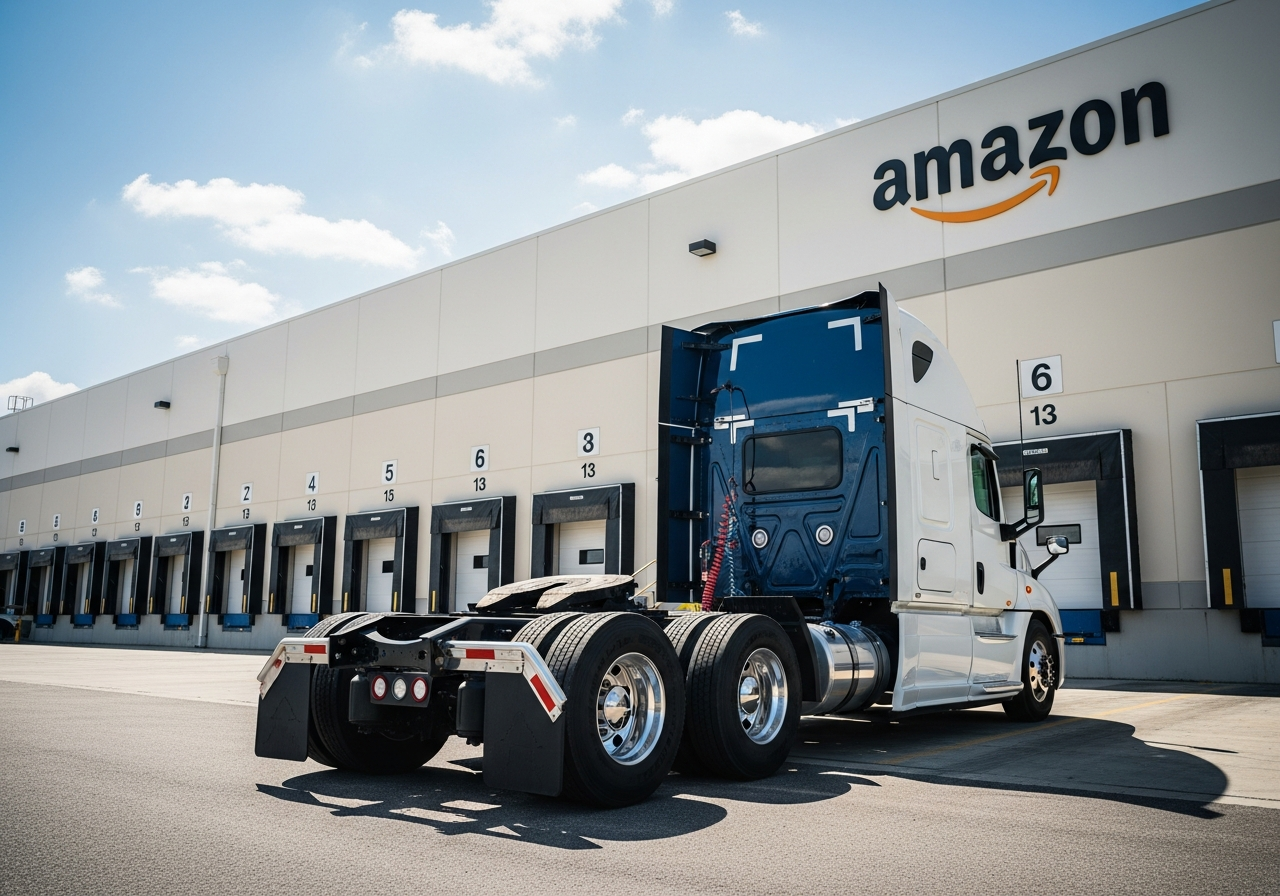
    Amazon Relay-ready coverage with required limits and endorsements

    Owner-operator and small-fleet specialists, not just large-fleet brokers

    Washington Truck Insurance FAQ

    What commercial truck insurance is commonly needed in Washington?

    Needs vary by authority, contracts, cargo, equipment, radius, and employee structure. Common coverages include primary auto liability, motor truck cargo, physical damage, truckers general liability, non-trucking liability, trailer interchange, excess liability, and workers’ compensation.

    Can new ventures and owner-operators get truck insurance in Washington?

    Yes. Availability and pricing depend on driver experience, motor vehicle records, equipment, commodities, radius, garaging, authority status, and loss history. We approach markets that fit the complete risk profile.

    What should I provide for a faster trucking quote?

    Provide your DOT or MC number, vehicle and driver schedules, garaging address, commodities, operating radius, annual mileage and revenue, requested limits, current declarations, and loss runs when available.

    Can you help with certificates and federal filings?

    After eligible coverage is bound, we can coordinate certificates and carrier-supported federal filings. Requirements and timing vary by policy, carrier, contract, and agency processing.

    Get a Washington Truck Insurance Quote Today

    Fast certificates, A-rated carriers, and FMCSA-compliant filings for fleets and owner-operators across all of Washington.

    Call Now