










Product and local operating guide
Building a complete the United States port trucking insurance submission
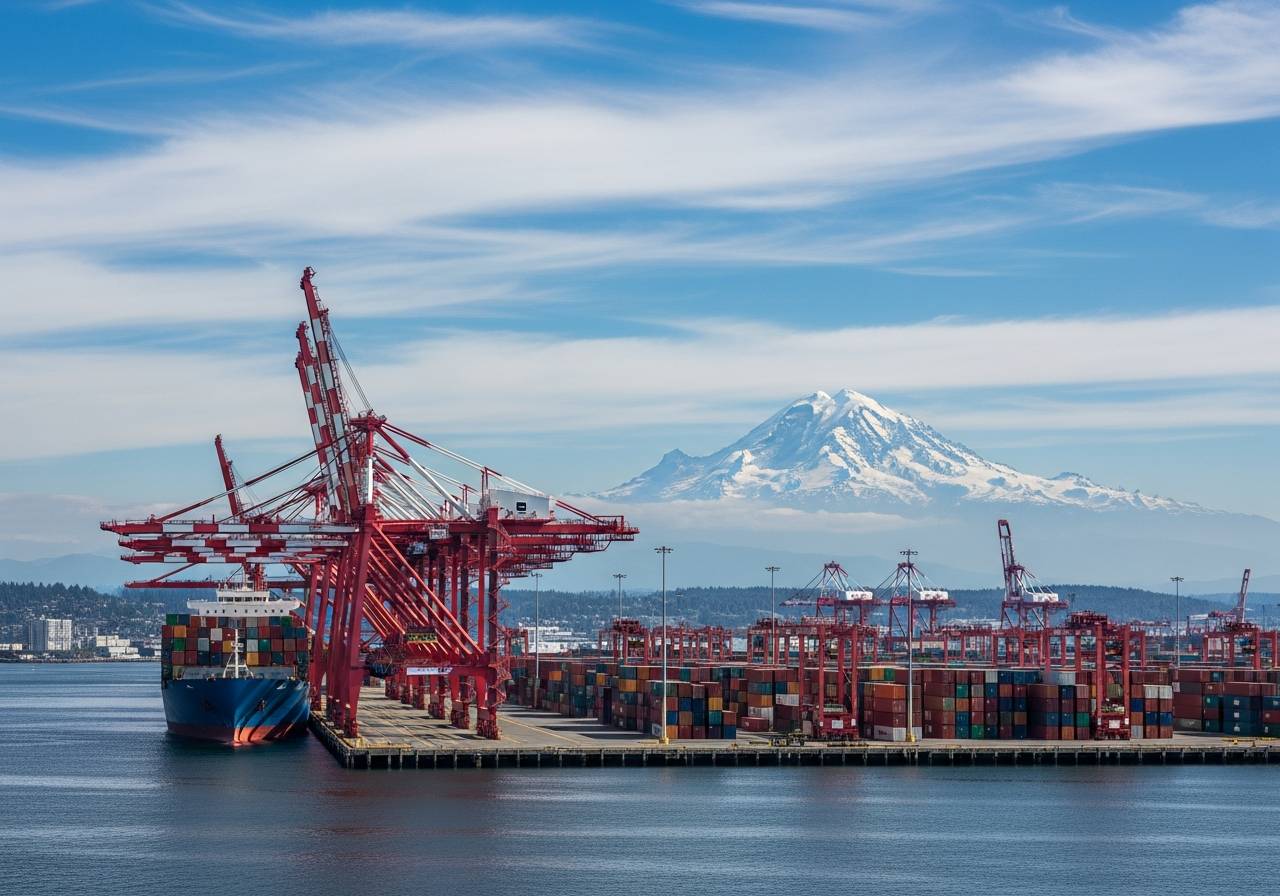
Port trucking is one of the most technically demanding classes in commercial transportation insurance. Carriers working U.S. marine terminals face UIIA compliance requirements, equipment interchange agreements, TWIC security mandates, and high-volume terminal environments — exposures that most standard auto carriers simply will not write. Truxsurance works exclusively with E&S markets that understand port and marine terminal exposure.
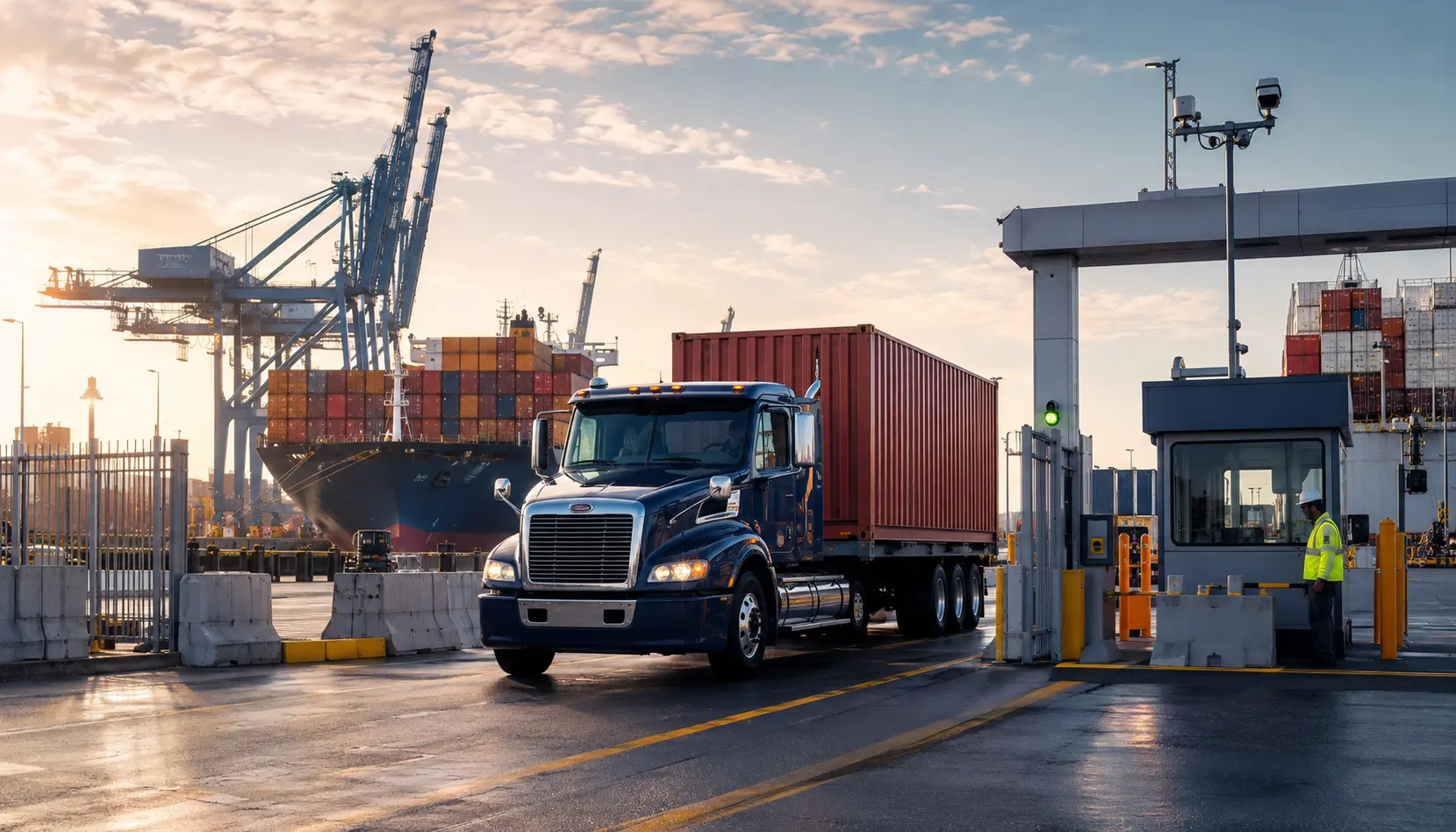
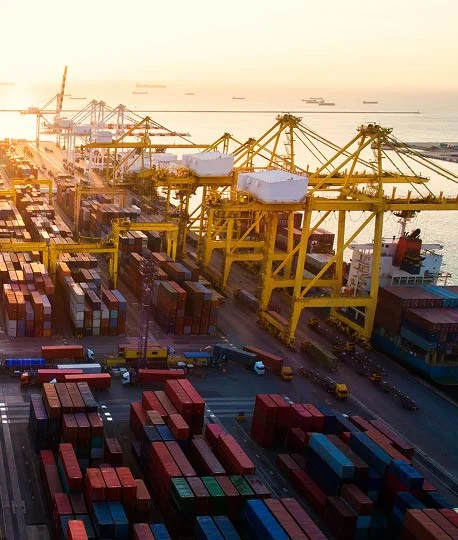
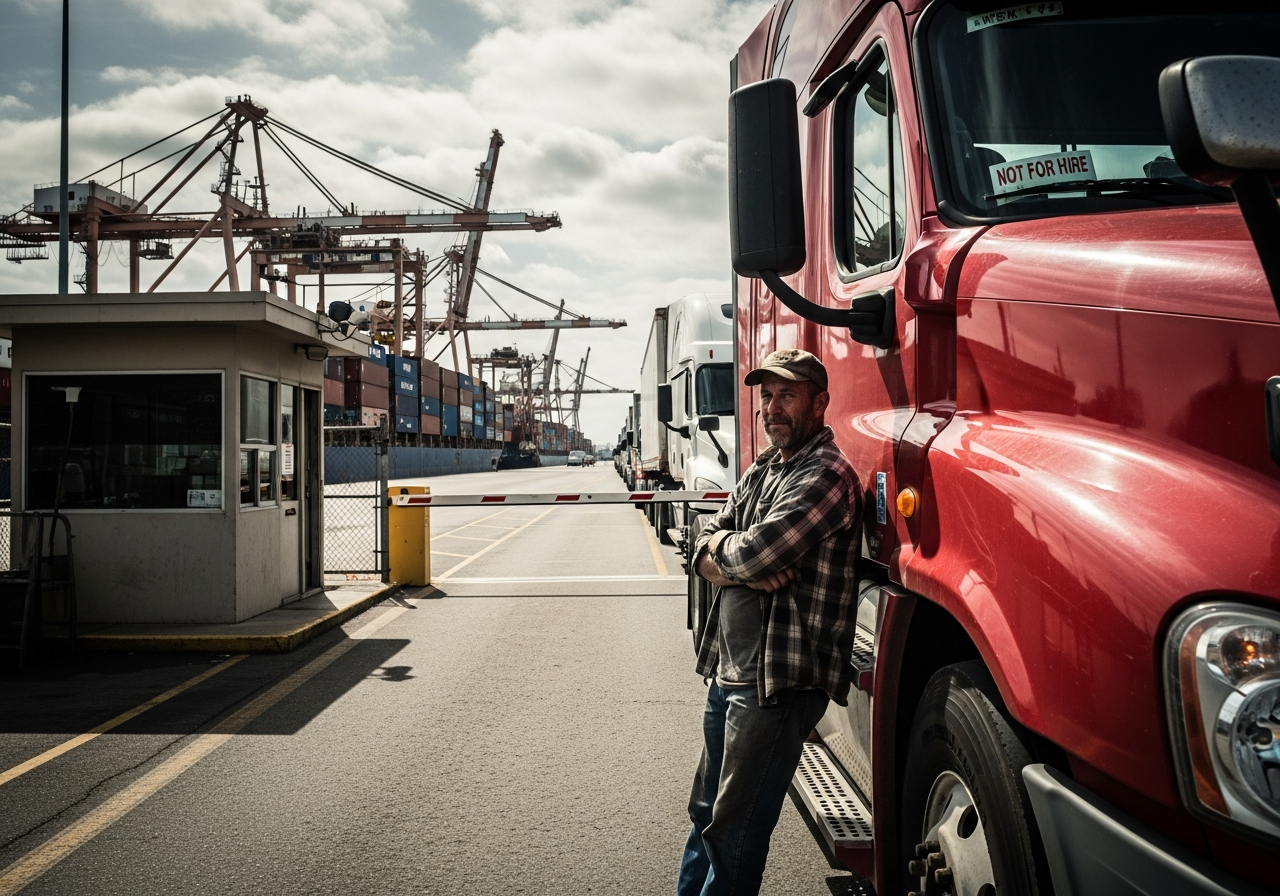
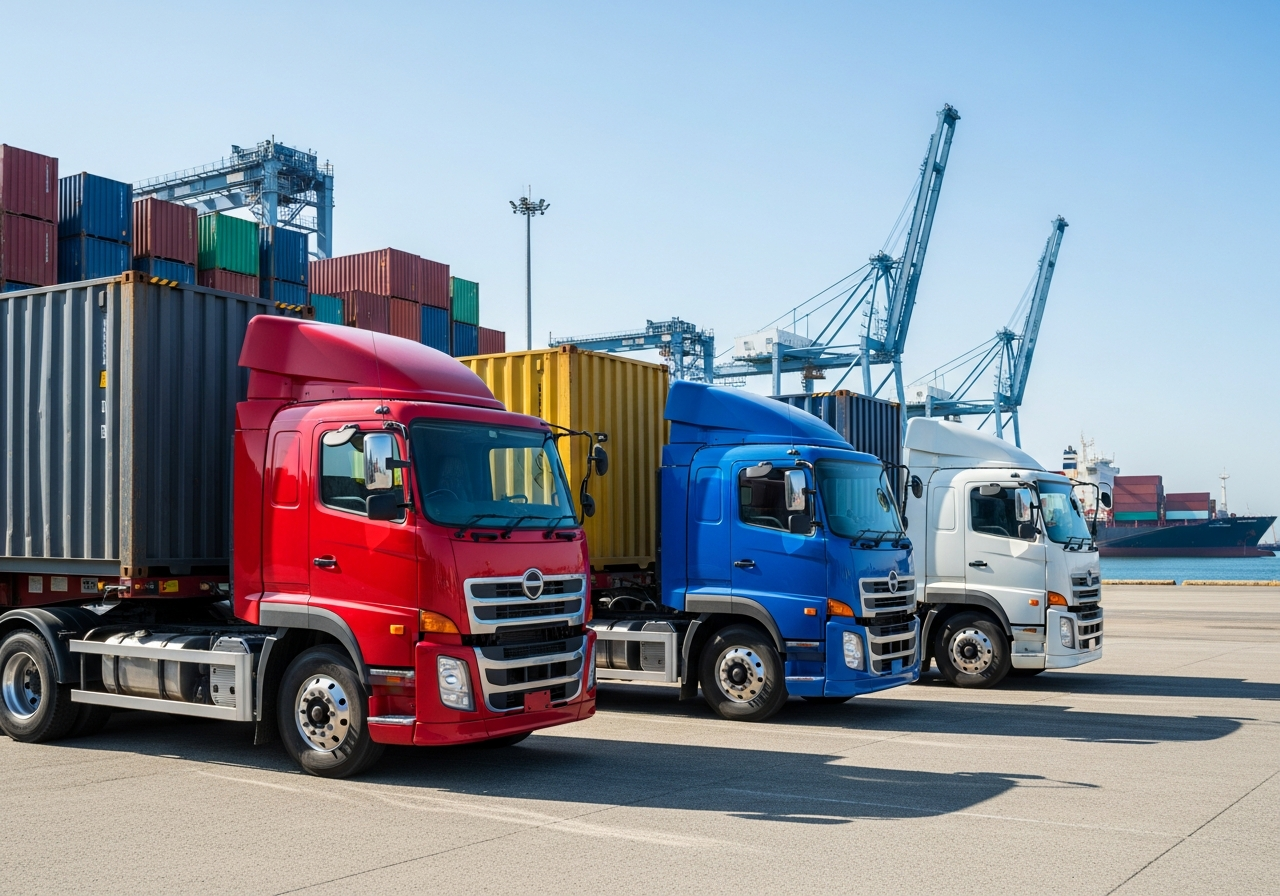
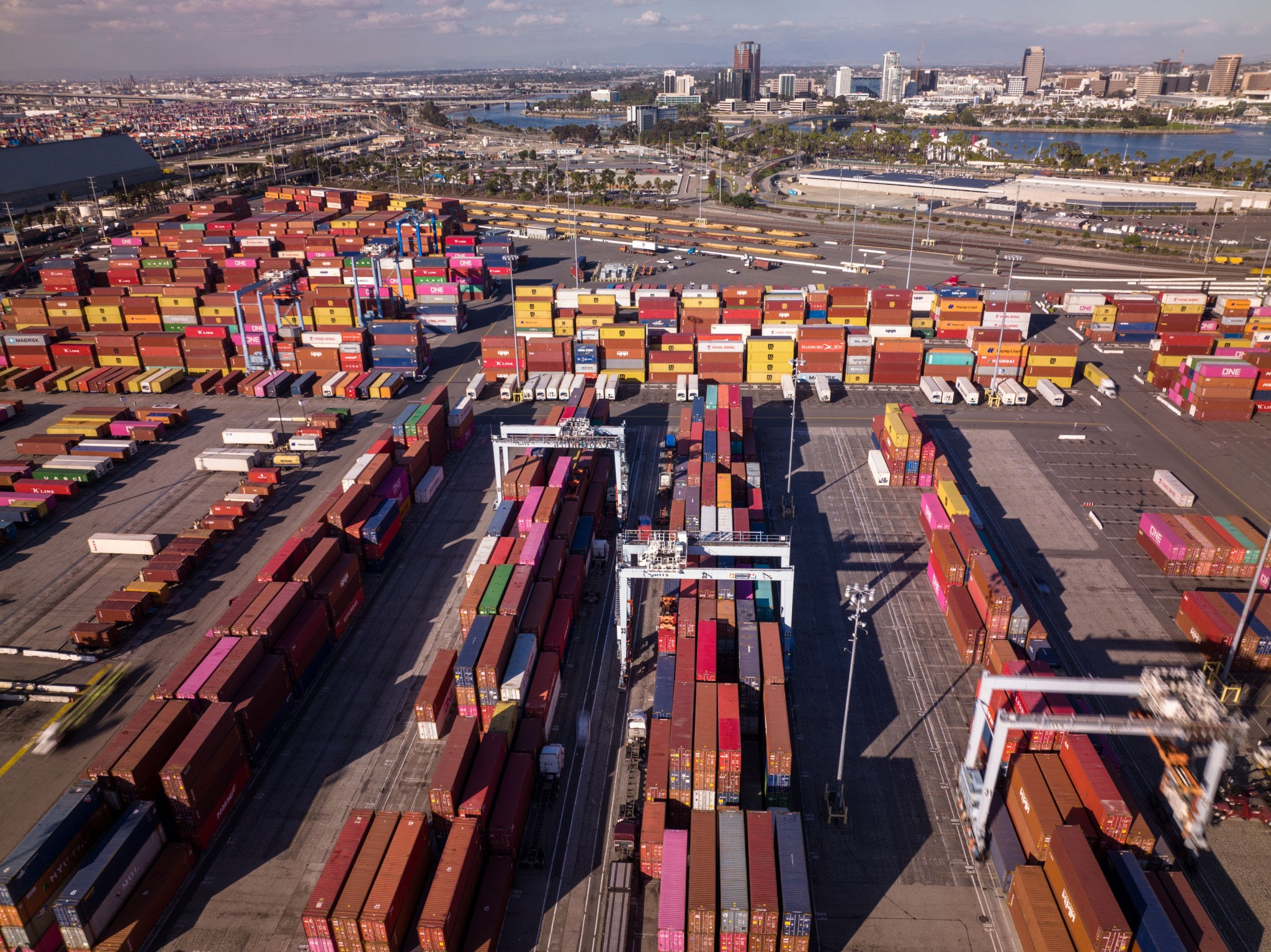
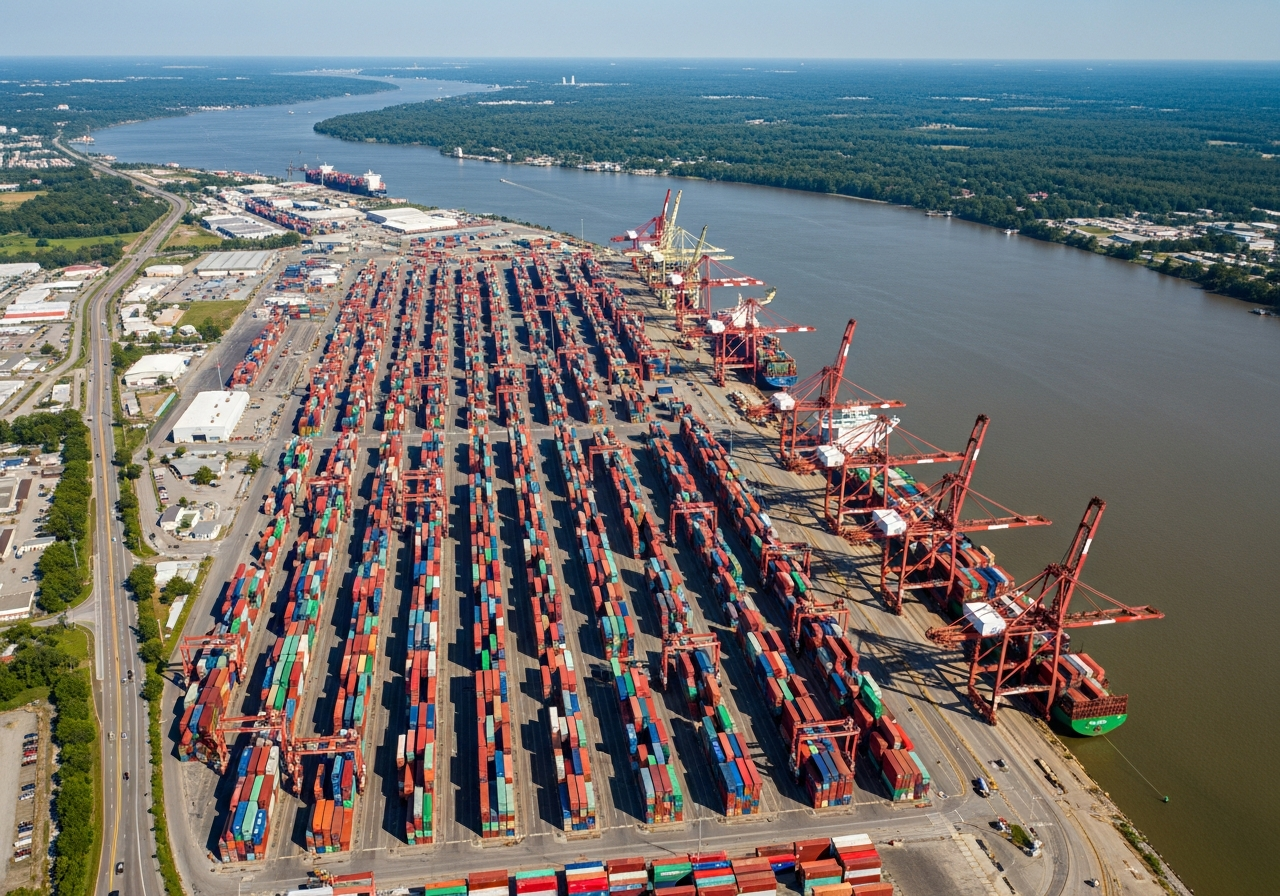
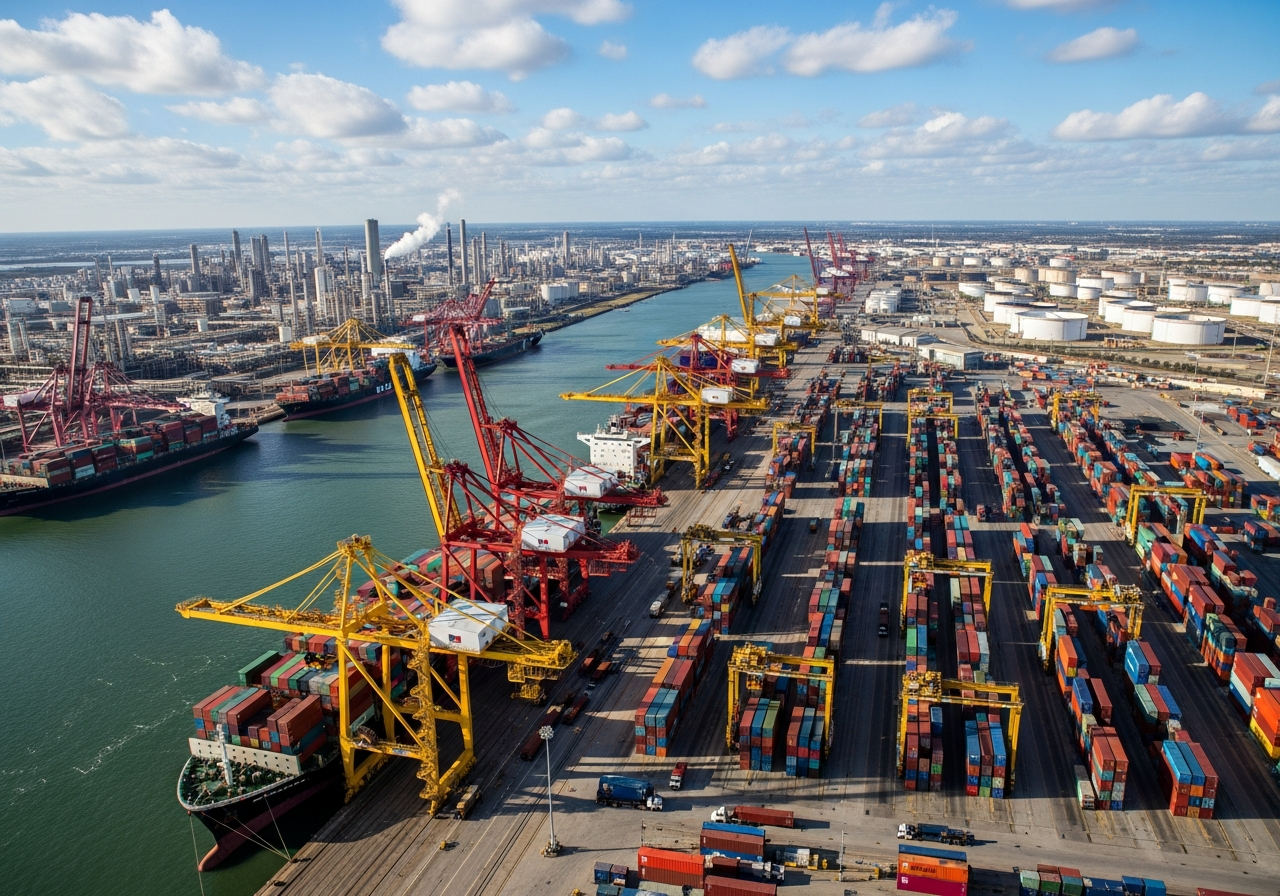
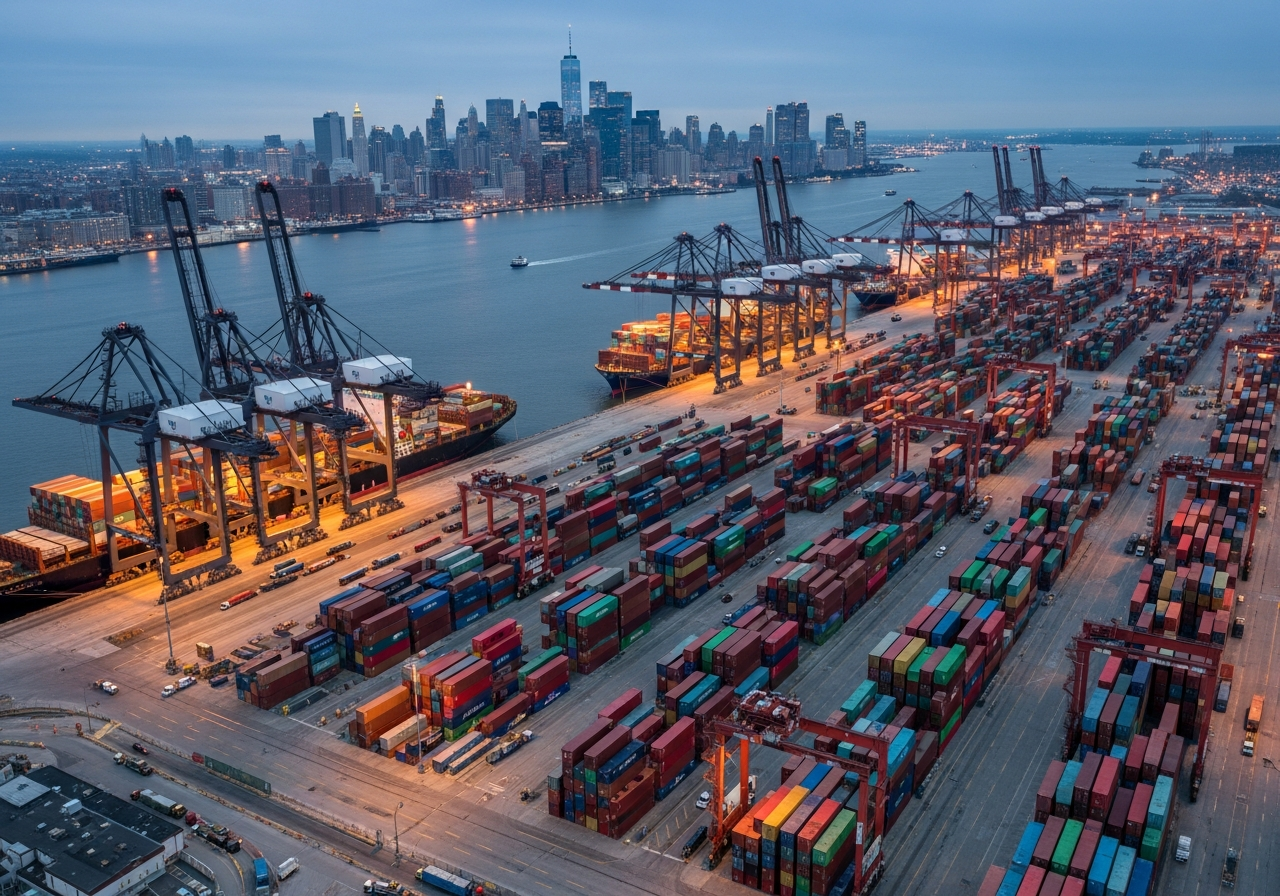
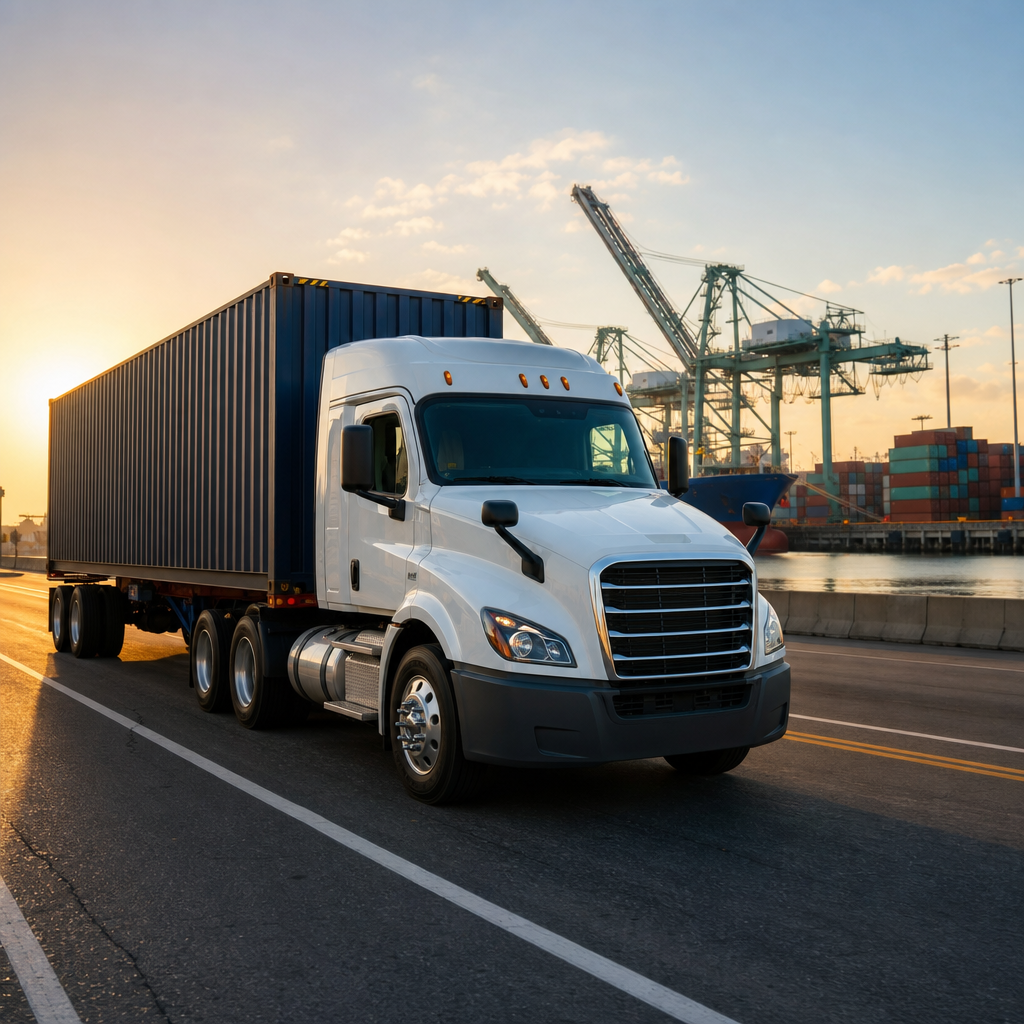
A port trucking submission should identify marine terminals, gate activity, appointment practices, TWIC or other access credentials, container and chassis use, cargo values, yard locations, overnight parking, driver experience, customer contracts, and any rail or regional movements.
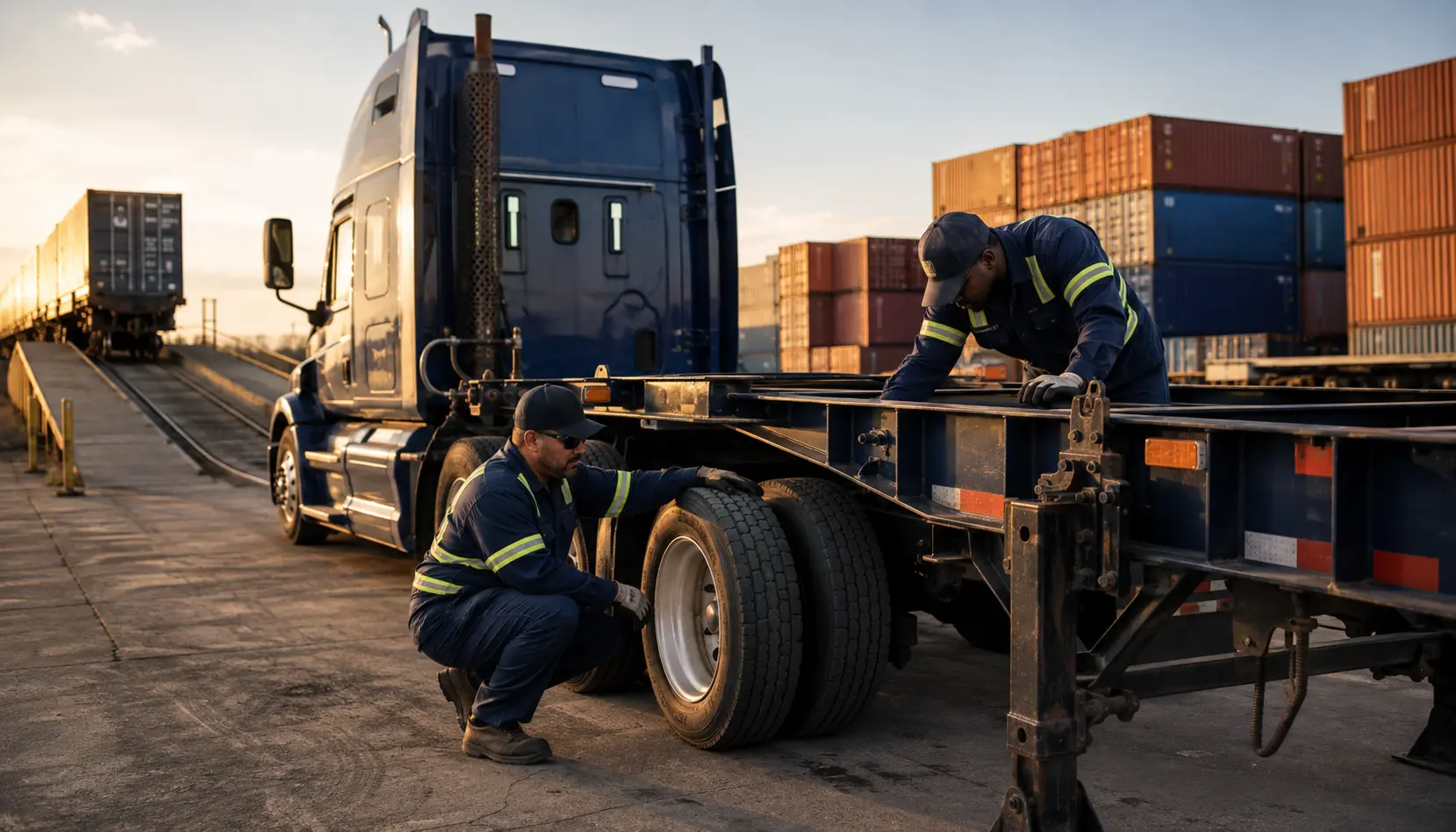
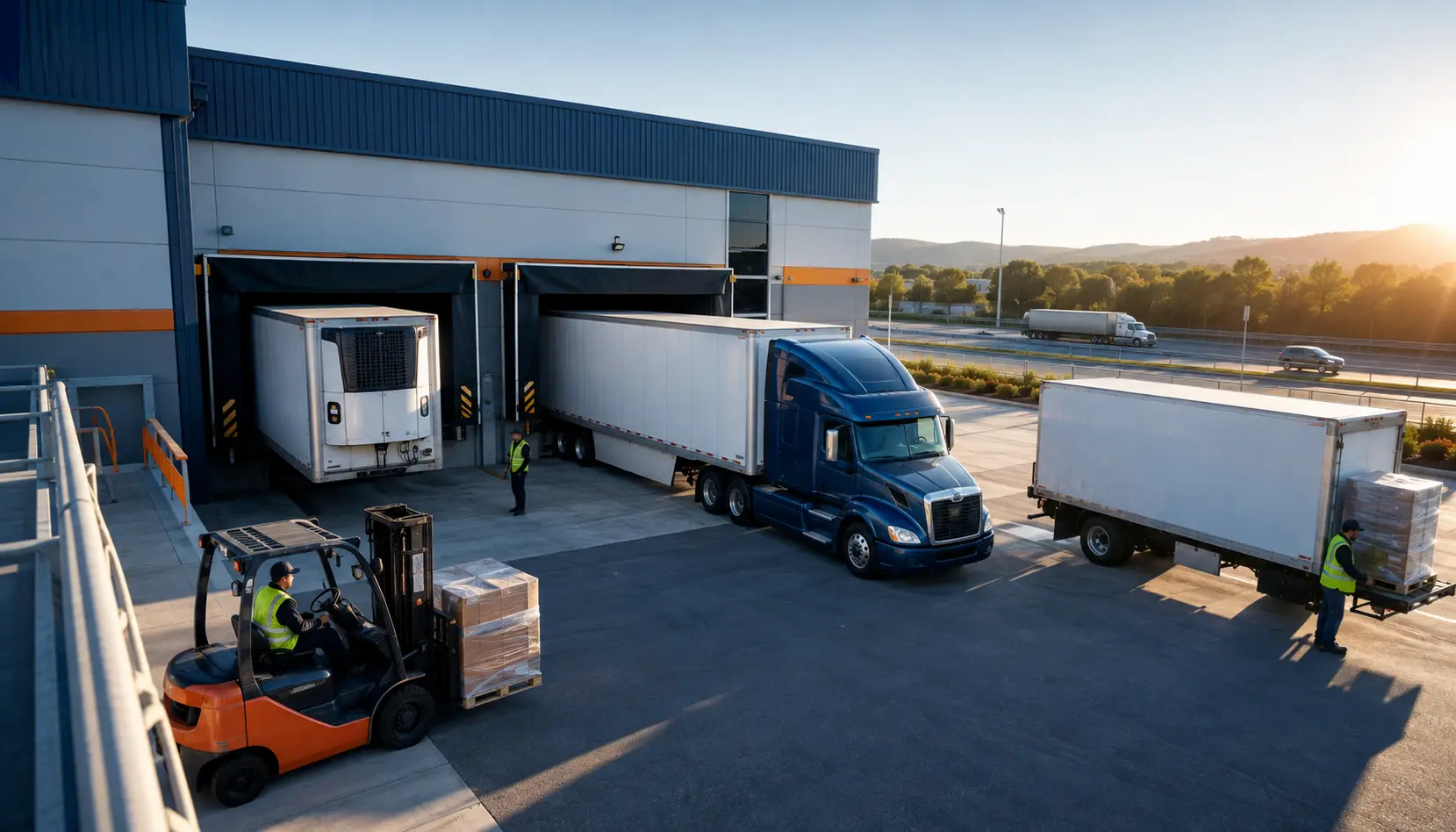
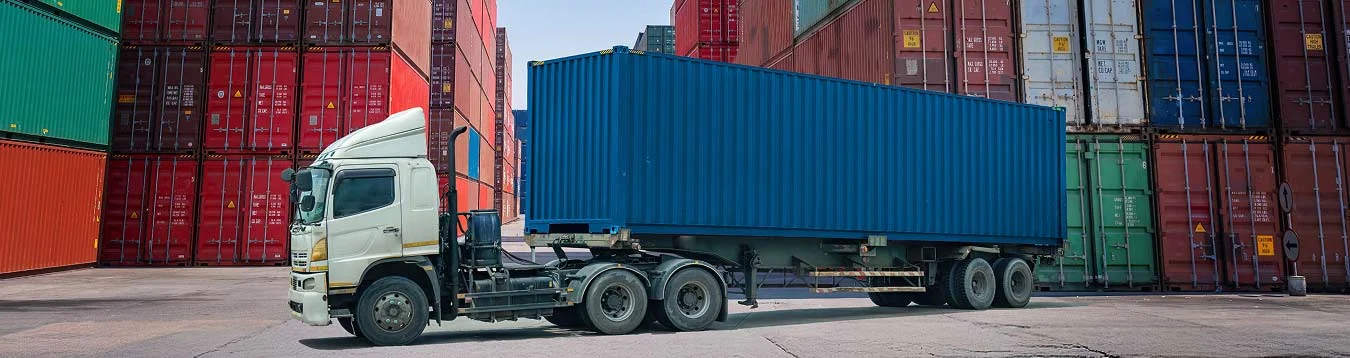
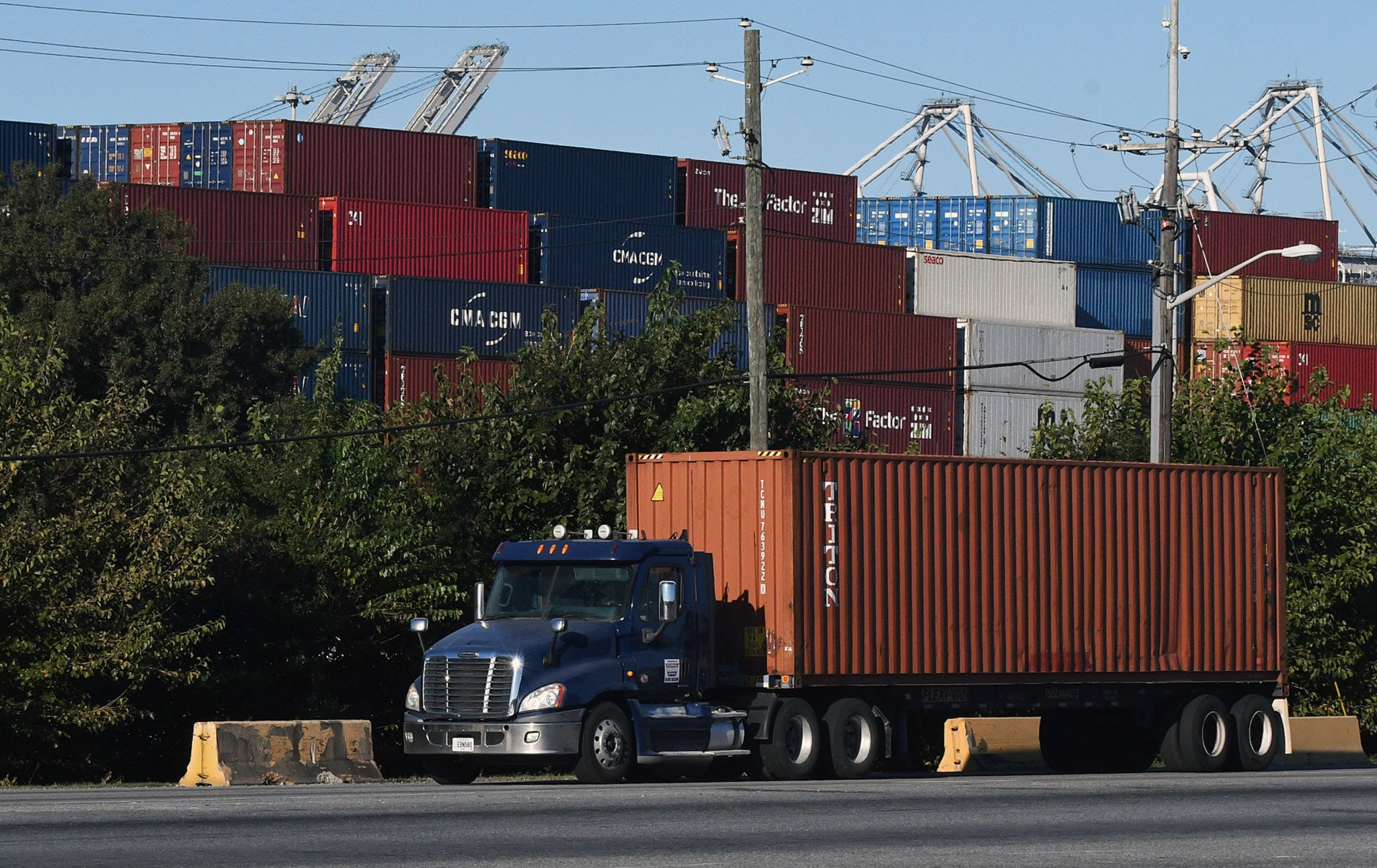
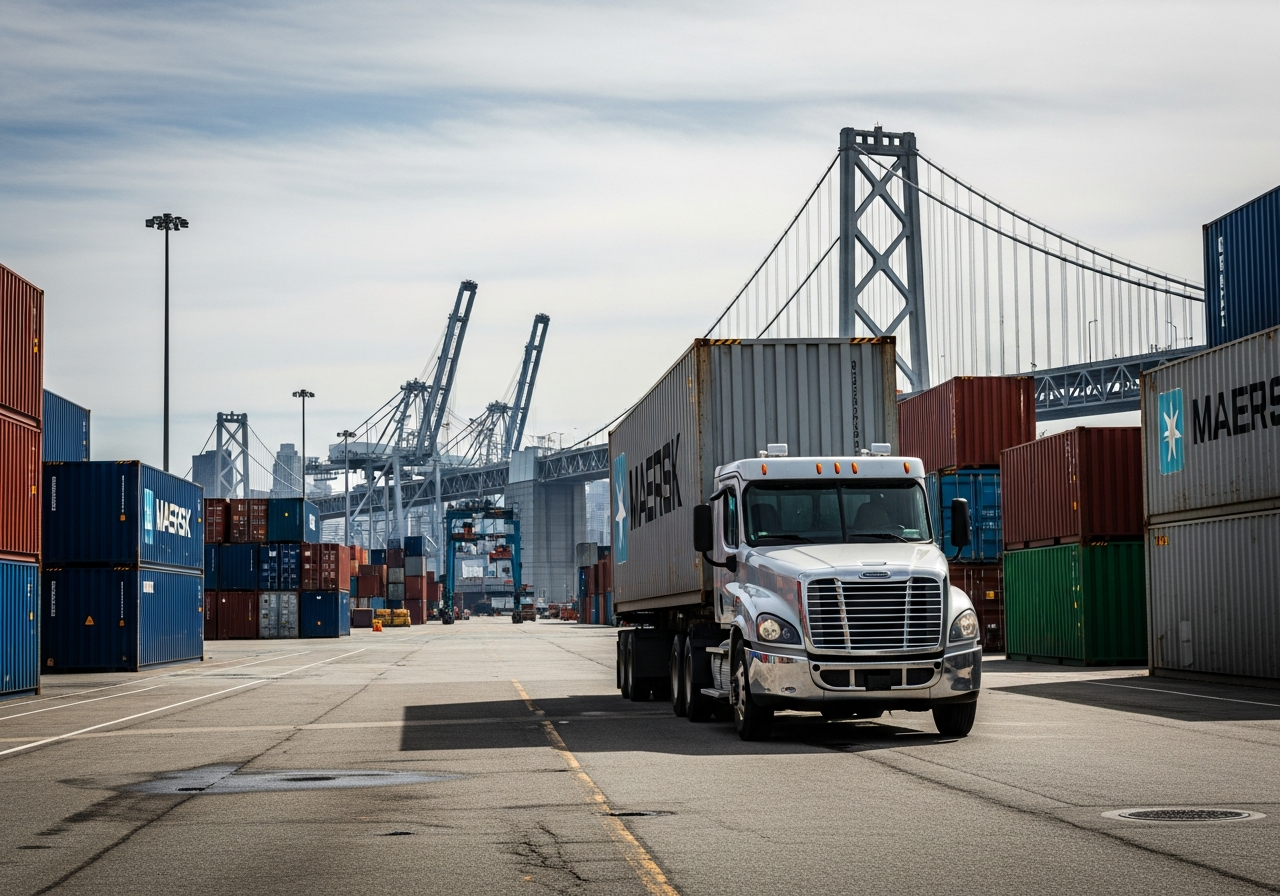
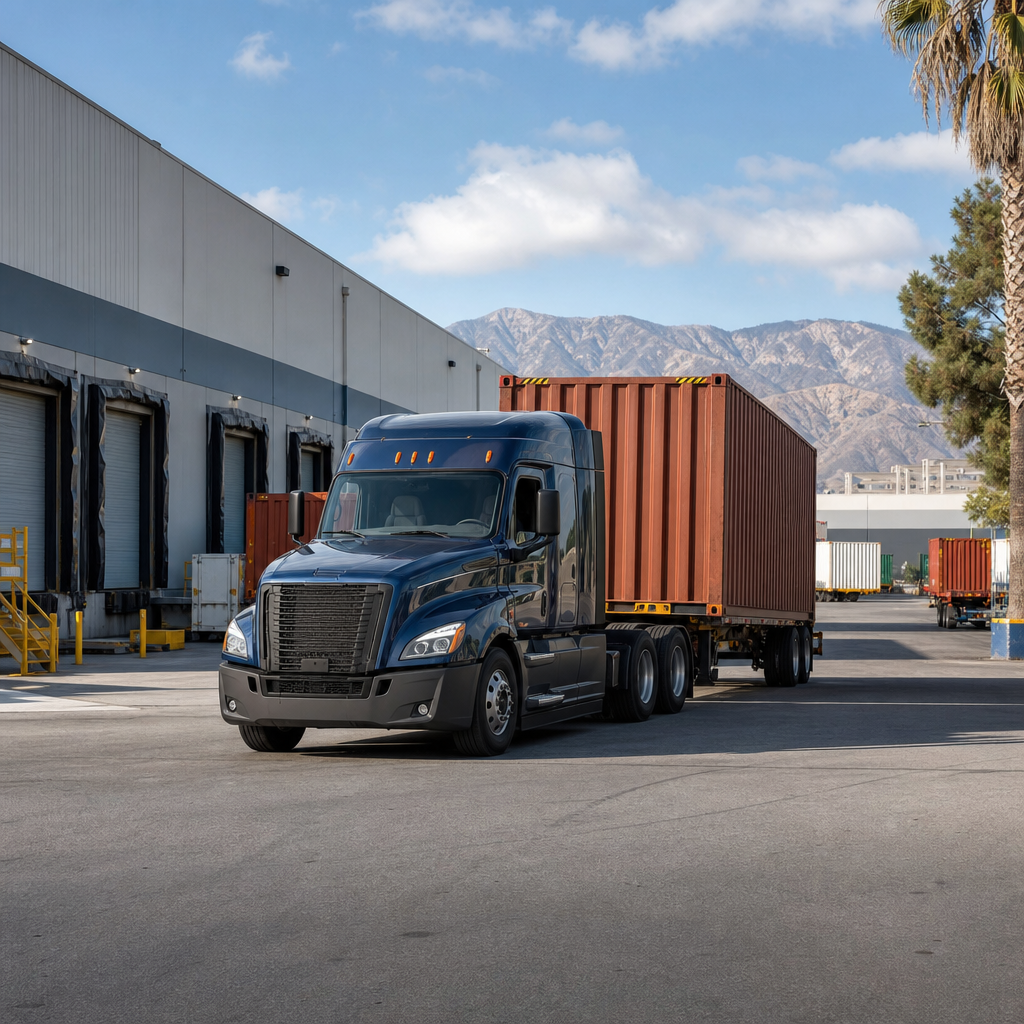
Explain the daily operating cycle from terminal pickup through chassis inspection, securement, warehouse or transload delivery, empty return, and parking. Terminal congestion, yard maneuvering, theft controls, demurrage pressure, and equipment custody can materially change the risk.
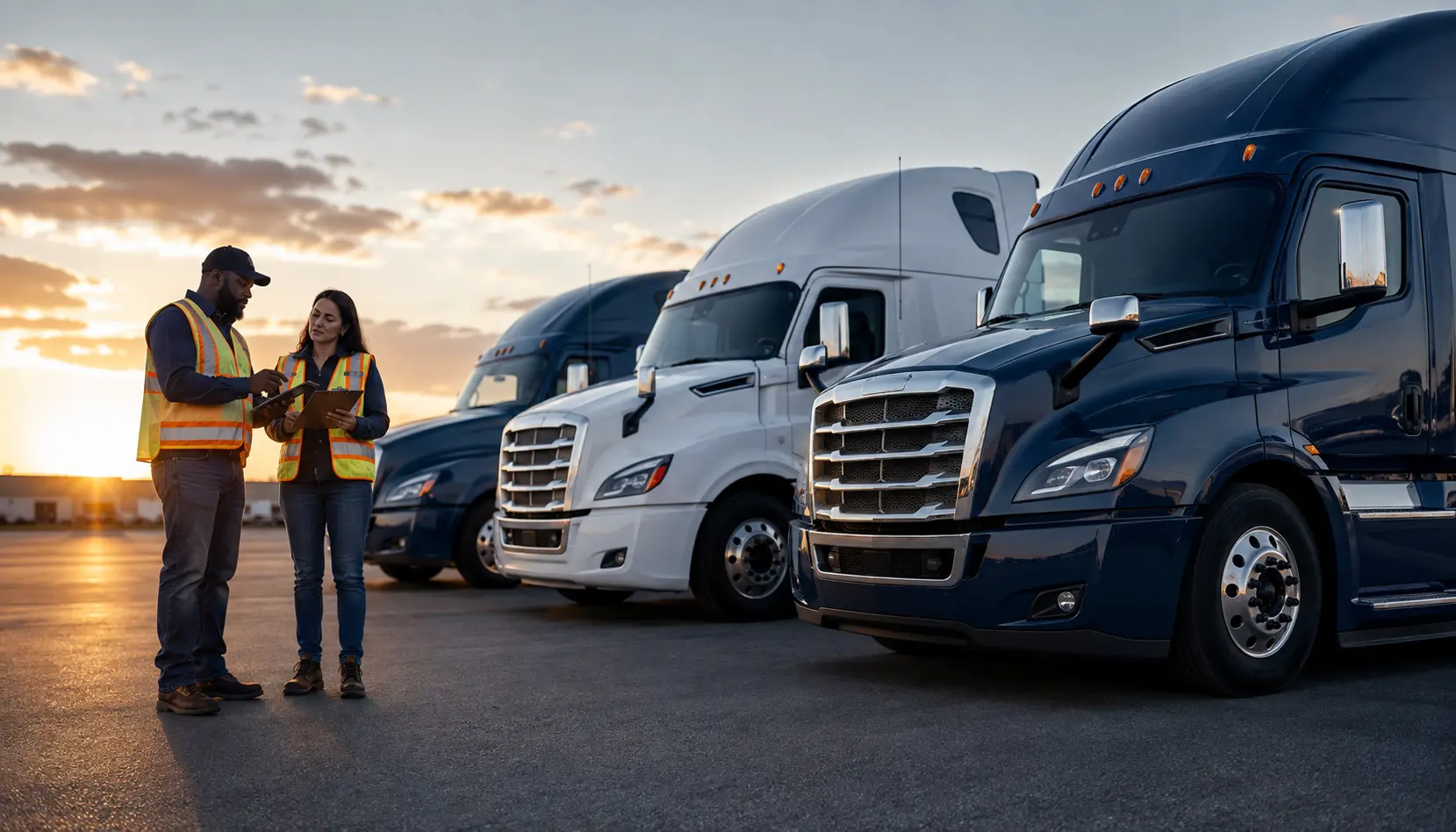
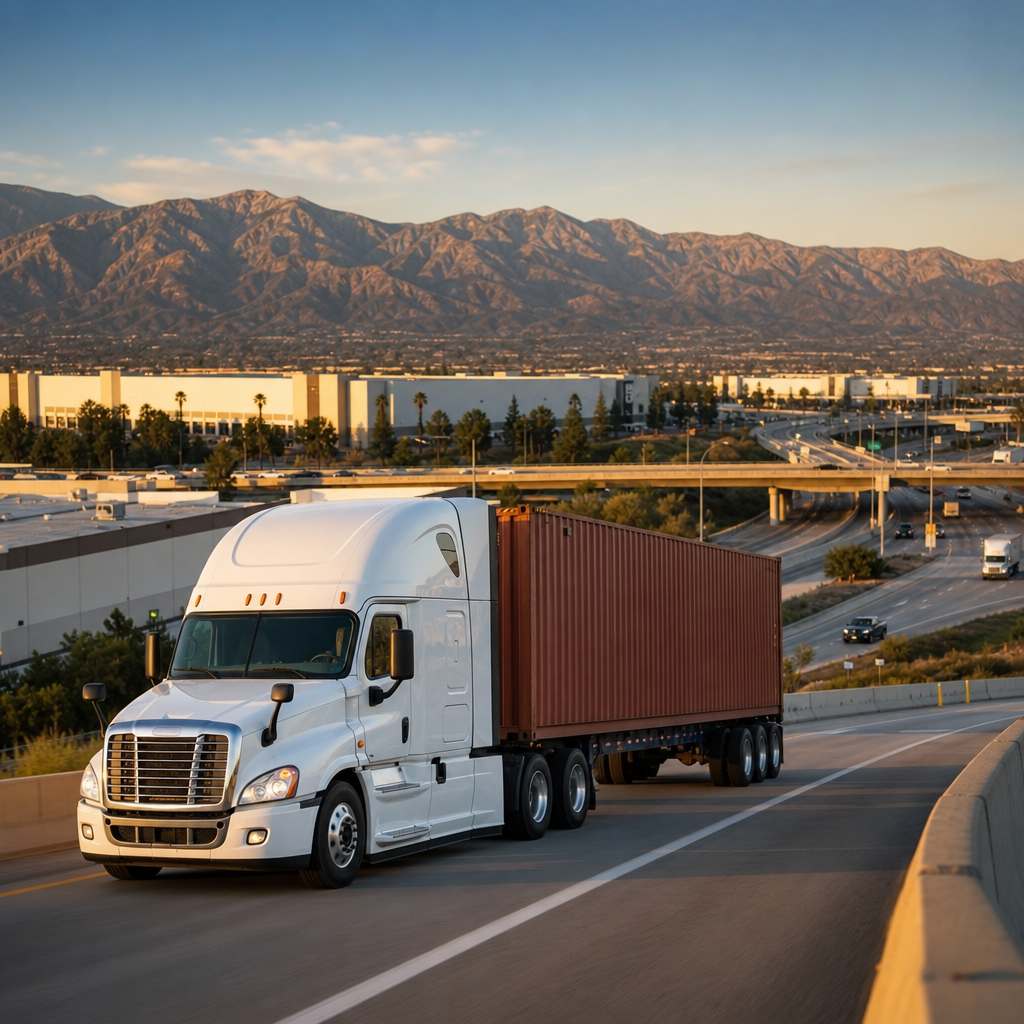
For a the United States operation, the application should state where vehicles are actually garaged, every state or corridor served, maximum and typical radius, annual mileage, commodities, revenue, vehicle values, driver experience, prior coverage, and loss history. If the business is new, include relevant ownership, driving, safety, and industry experience instead of leaving the underwriter to infer it.