Product and local operating guide
Building a complete Colorado commercial truck insurance submission
Denver freight, oil and gas haulers, and over-the-road operations across the Rockies — Truxsurance writes Colorado trucking insurance for fleets, owner-operators, and specialty operations.
A commercial trucking submission should connect the legal entity, authority, equipment, drivers, routes, commodities, customers, contracts, prior coverage, and loss history. Those facts—not a city name alone—shape carrier appetite, available forms, limits, deductibles, filings, and pricing.
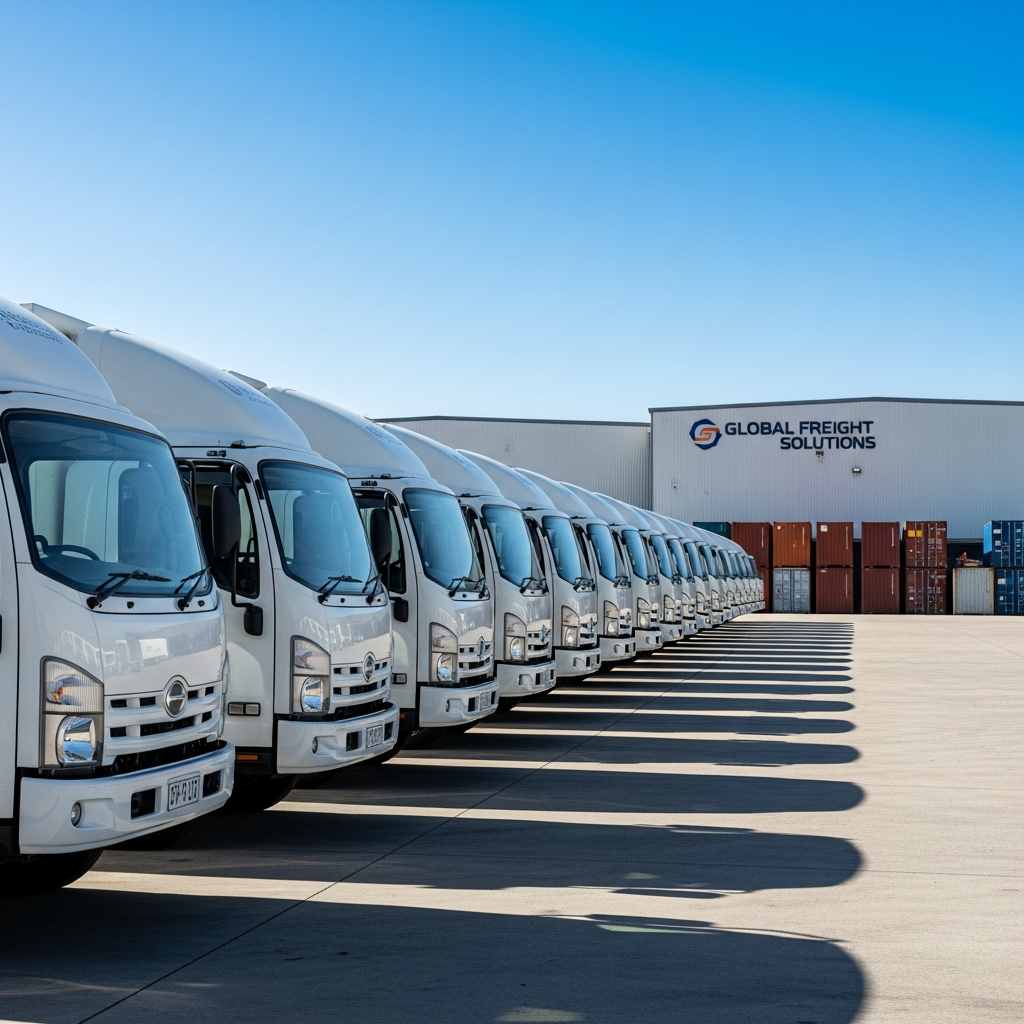
Document whether the business is an owner-operator, small fleet, expanding fleet, local delivery operation, regional carrier, long-haul carrier, contractor, or specialized hauler. Separate owned, financed, leased, and non-owned equipment and identify every use that may create a different exposure.
For a Colorado operation, the application should state where vehicles are actually garaged, every state or corridor served, maximum and typical radius, annual mileage, commodities, revenue, vehicle values, driver experience, prior coverage, and loss history. If the business is new, include relevant ownership, driving, safety, and industry experience instead of leaving the underwriter to infer it.