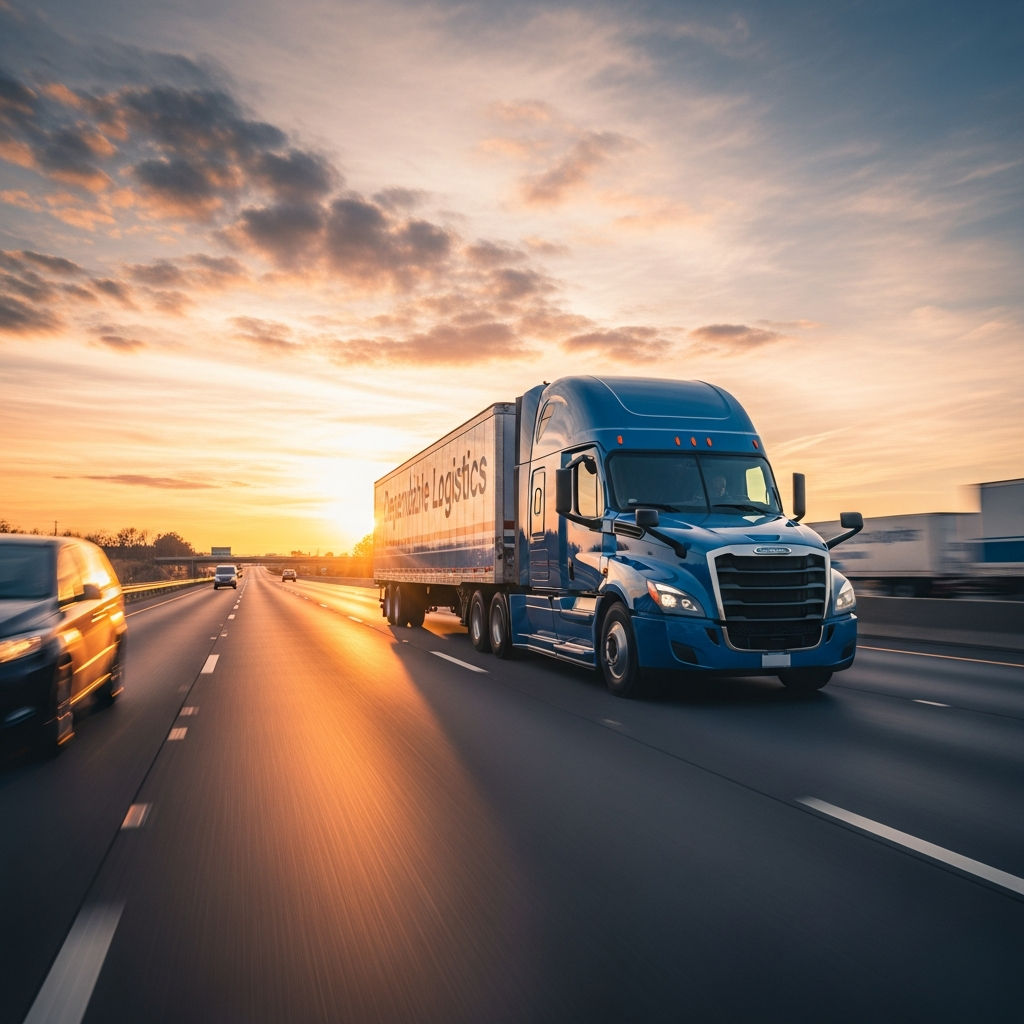
Trailer Interchange
Coverage
Protection for when multiple companies pull a trailer
Physical Damage insurance for trailers, shipping containers, and frames you don't own. Essential financial protection from liability if there is damage to a trailer while it is in your possession.
Some of the insurance markets we work with









Carrier availability varies by state, operation type, fleet size, and underwriting requirements.
Coverage Details
What's Covered
Trailer interchange coverage provides physical damage insurance to third-party trailers in a motor carrier's possession while under a trailer interchange agreement.
Collisions / Rolls
Theft
Fire
Vandalism
Natural Events
Falling Objects
What is Trailer Interchange Coverage?
Trailer Interchange coverage is an endorsement — or amendment — that modifies your underlying Physical Damage insurance policy. It modifies your Physical Damage coverage to a trailer being hauled under a trailer interchange agreement.
The Trailer Interchange endorsement specifies the names of the companies involved in the delivery, where a trailer transfer will take place, and the transportation fees associated with the delivery.
Important: A trailer interchange agreement is a prerequisite to getting trailer interchange insurance. In case of a claim, if you can't furnish the trailer interchange agreement, it will be denied.
Who Needs This Coverage?
- Any trucking company that takes possession of a non-owned trailer under a trailer interchange agreement
- Amazon Relay drivers
- Anyone under a UIIA agreement
- Power-only truckers
- Owner operators pulling non-owned trailers under an interchange agreement
- Motor carriers allowing other companies to use their trailers
Understanding Coverage
How It Works
With the growth of freight shipping, it is common for motor carriers to pull trailers owned by other companies. But, when you're hauling another company's trailer, the trailer's Physical Damage coverage doesn't simply transfer along with the container.
When you work under a trailer interchange agreement, the contract transfers financial responsibility for a trailer from one motor carrier to another in order to complete a shipment. The truck driver or trucking company in possession of the trailer is responsible for paying for any damages that happen while they have the trailer.
Deductible
The amount you will pay out of pocket to cover repairs or replacement. Typical deductible is $1,000.
Policy Limit
The maximum coverage amount the insurance company will pay. Typical limits are $20,000-$30,000.
Trailer Interchange vs Non-Owned Trailer Insurance
- Requires a trailer interchange agreement
- Covers trailer whether attached or not
- Protection entire time trailer is in your possession
- No interchange agreement required
- Only covers when trailer is attached to truck
- Different coverage situations may require both
Common Exclusions
Most interchange insurance policies will not cover the following: