Collision and other-than-collision
Collision and comprehensive-style protection can address different causes of covered loss. Ask how deductibles, exclusions, storage, and use affect the policy.
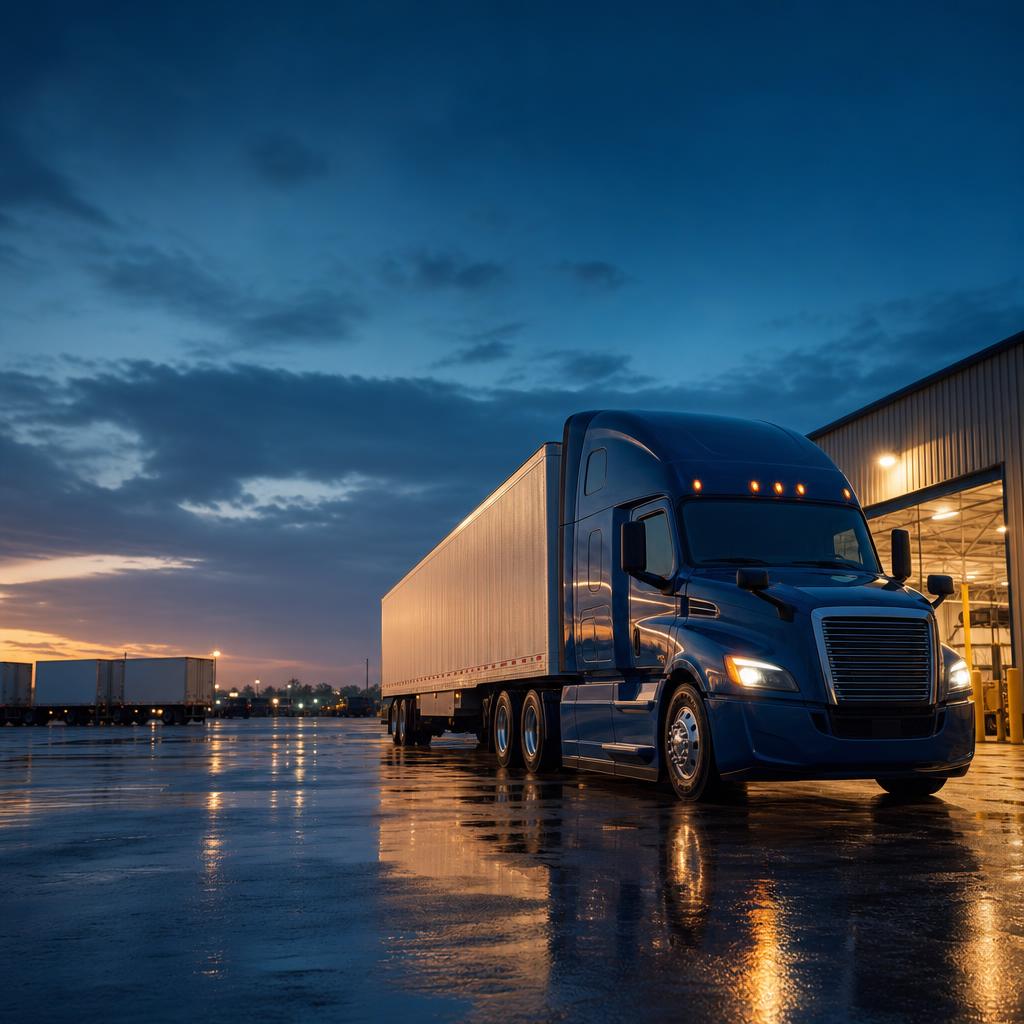
Explore physical damage options for scheduled trucks and trailers, with final protection determined by the policy, endorsements, and underwriting review.
Some of the insurance markets we work with




Carrier availability varies by state, operation type, fleet size, and underwriting requirements.
Your trucks and trailers are the backbone of your business. Physical Damage coverage can help address covered loss to scheduled equipment, including certain collision, theft, fire, weather, and vandalism events.
Commercial equipment is a significant business asset. A complete equipment schedule, current values, and a clear deductible plan can make physical damage decisions easier to evaluate before a loss.
May address covered damage to a scheduled vehicle when it collides with another vehicle or object, subject to the policy terms and deductible.
May address certain covered non-collision damage, such as fire, theft, vandalism, weather, and falling objects, subject to policy terms.
May address covered damage after an accident with another vehicle or object
May address covered loss caused by fire, smoke, or explosion
May address covered weather-related loss, subject to policy terms
May address covered theft or malicious damage to scheduled equipment
Optional protection may be available for eligible mechanical failures
May be available for scheduled owned or leased trailers
May be available by program for certain mechanical or electrical failures. Eligibility, components, exclusions, and deductibles vary by carrier and equipment.
May be available for eligible drivers' personal belongings kept in the truck, such as electronics, clothing, and tools.
May be available to help with eligible loss-of-use or rental expenses after a covered loss, depending on the policy and endorsements selected.
Protect your trucks and trailers with comprehensive physical damage coverage. Get a quote in minutes.
Choose a deductible that fits your cash flow and equipment values. Available options and their impact on premium depend on the carrier and submission.

Equipment schedule readiness
A physical damage review is about more than a truck count. A clear schedule helps document the value, location, use, and configuration of the assets that keep your operation moving.
Protect the assets behind the operation
Tractors, trailers, attached equipment, and high-value modifications can create different documentation and coverage needs. The policy form, schedule, deductible, and endorsements should be reviewed together.
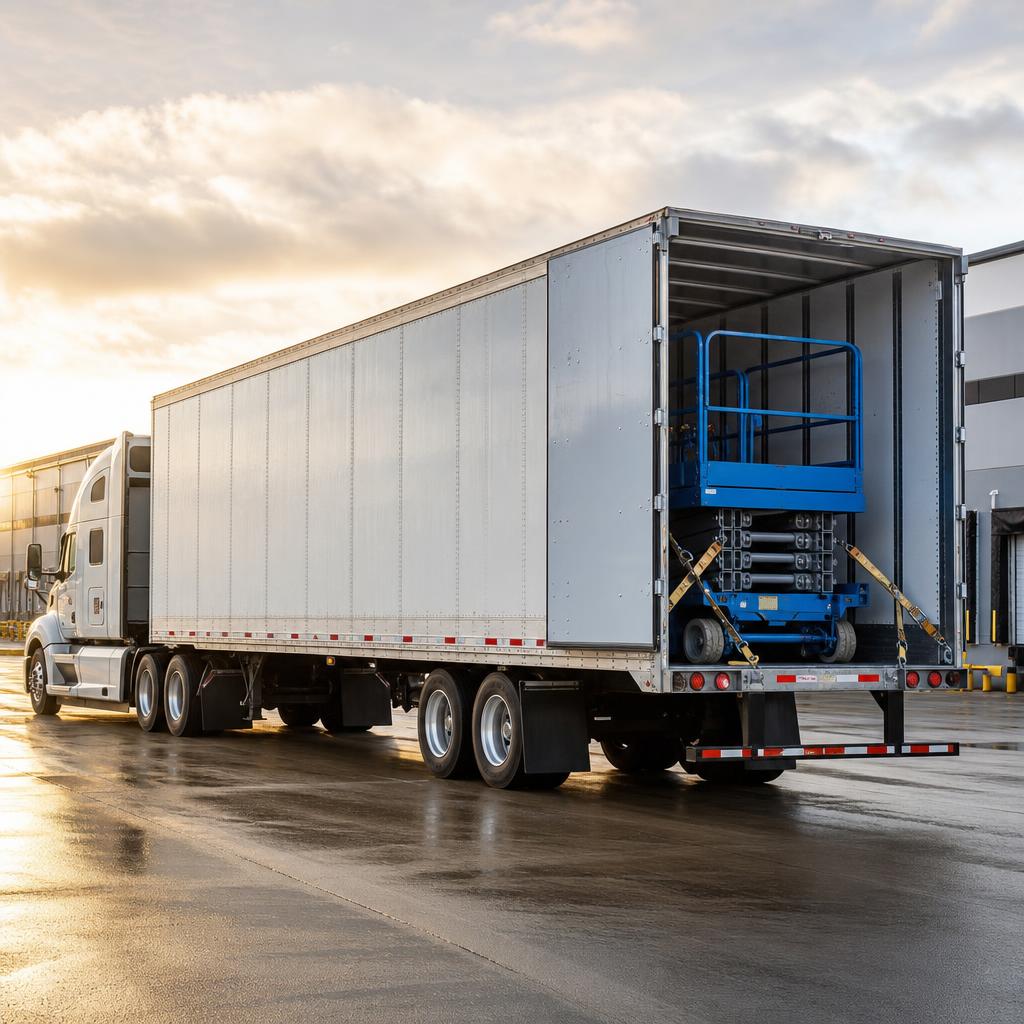
Collision and comprehensive-style protection can address different causes of covered loss. Ask how deductibles, exclusions, storage, and use affect the policy.
Stated values, financed equipment, permanently attached tools, rental reimbursement, and specialized endorsements should be documented rather than assumed.
A repair plan benefits from organized service records, approved vendor requirements, and an understanding of the claims process before a loss occurs.
Repair and claims readiness
An organized response does not change the policy, but it can help your team give the carrier the information it needs to evaluate a reported loss.
Protect people and follow emergency procedures before focusing on the equipment.
Document the scene, unit condition, involved parties, photos, and available police-report details.
Notify the claims contact listed on the policy as soon as practical and follow its reporting instructions.
Preserve maintenance, inspection, dispatch, camera, and repair records that may be relevant.

Exposure management
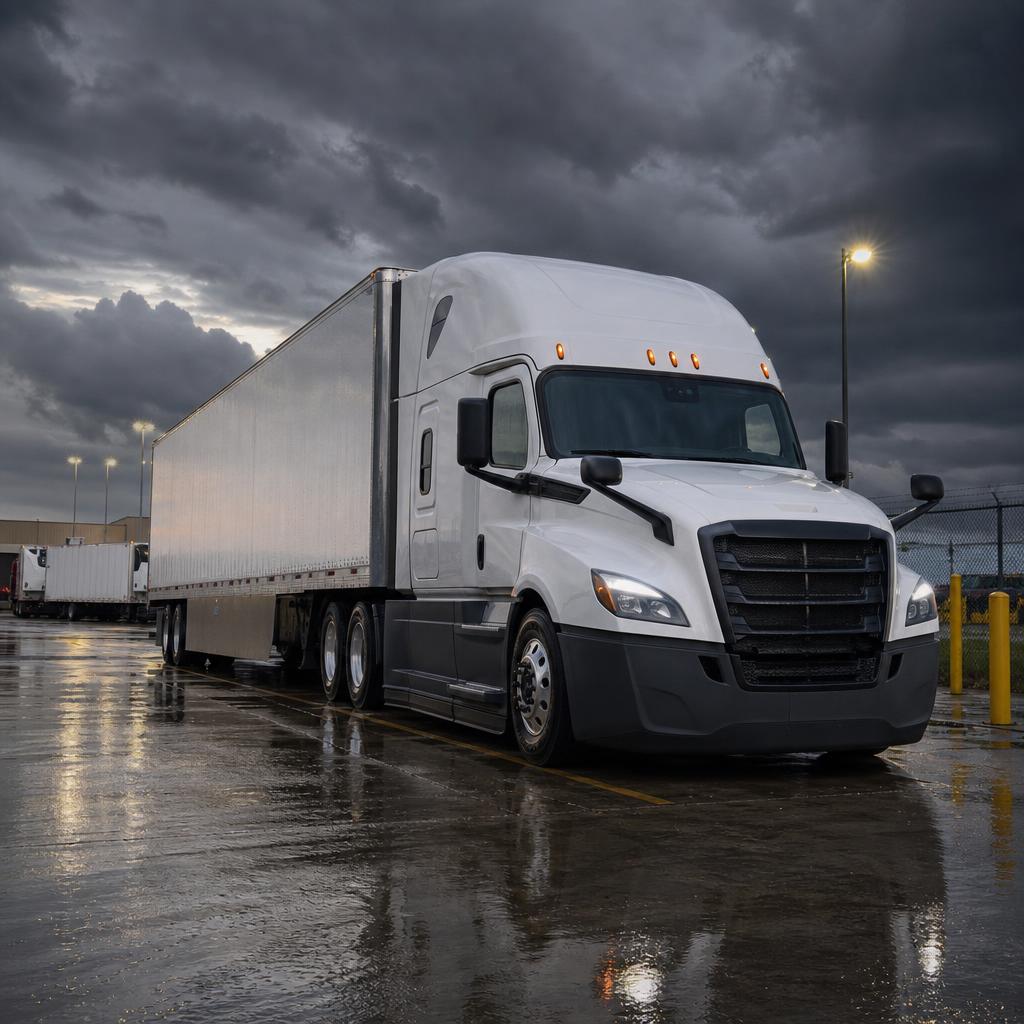
Yard security, maintenance routines, weather plans, and clear driver procedures are practical ways to reduce uncertainty around equipment exposure. They also make it easier to describe the operation during a coverage review.
Market access
Depending on the operation, equipment, values, territory, and underwriting profile, a physical damage review may consider several placement pathways:
Fleet equipment pathway
Specialty equipment pathway
Commercial auto pathway
Flexible equipment pathway
Transportation market pathway
Alternative equipment pathway
Physical damage questions
Clear equipment records and a focused list of questions can make a first discussion more productive.
No. Auto liability generally addresses damage or injury your operation may cause to others. Physical damage is designed around your covered equipment, such as tractors, trailers, and scheduled units. The exact policy language and endorsements determine what is covered.
Use a current, supportable stated value that reflects the unit and its permanent equipment. Recent purchase documents, equipment records, appraisals, and financing details can help create a more complete schedule.
Often, multiple equipment types can be scheduled, but requirements vary by carrier, unit type, ownership structure, and intended use. Include every unit and material modification in the review rather than assuming it is automatically covered.
A deductible is the portion of a covered loss the policyholder is responsible for before insurance responds. Consider cash flow, unit values, repair costs, contract requirements, and how often the equipment is exposed to loss. Available choices vary by program.