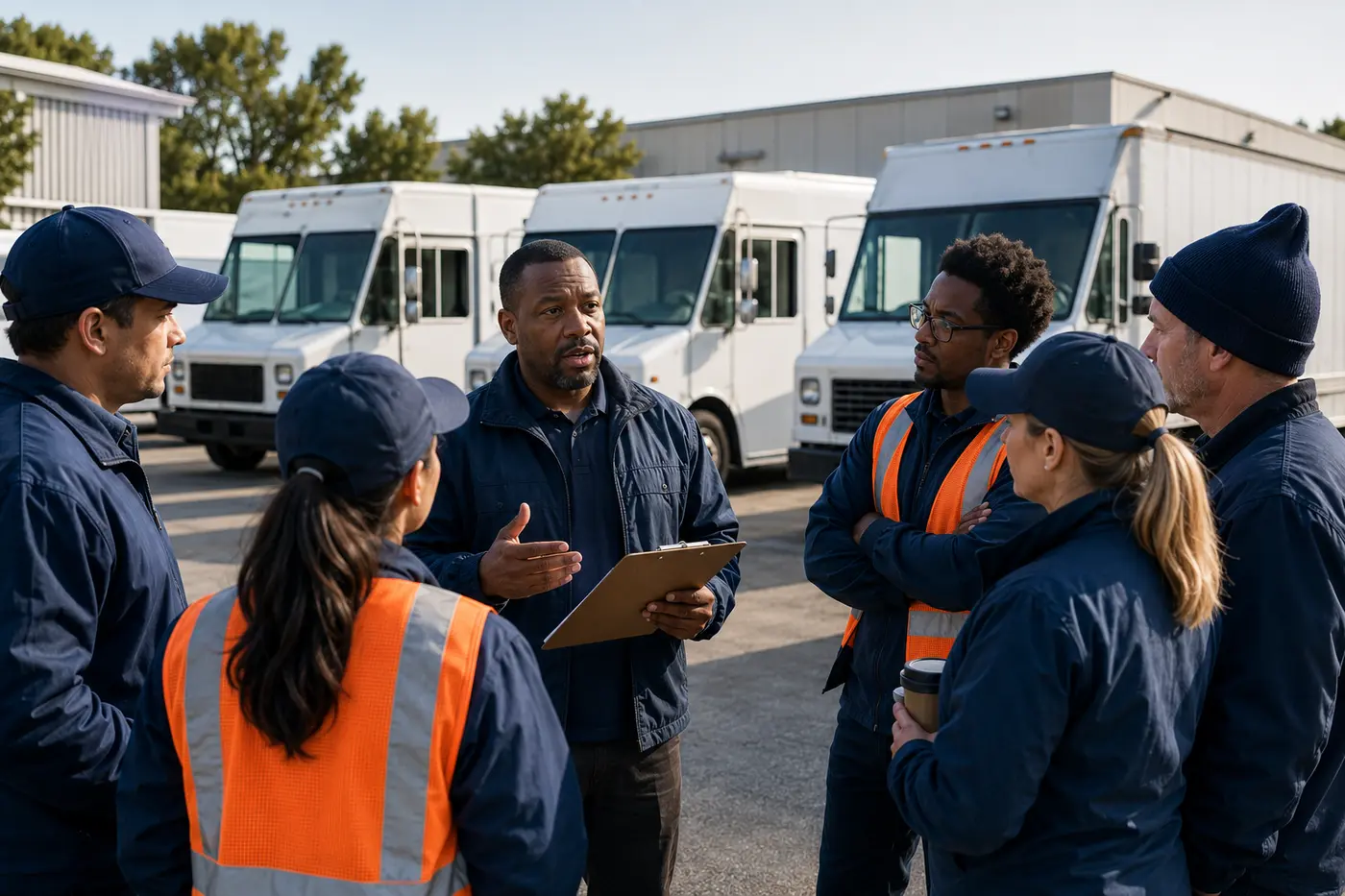
Driver selection and coaching
Document license standards, MVR frequency, delivery experience, onboarding, ride-alongs, telematics coaching, accident review, and procedures for temporary or peak-season drivers.
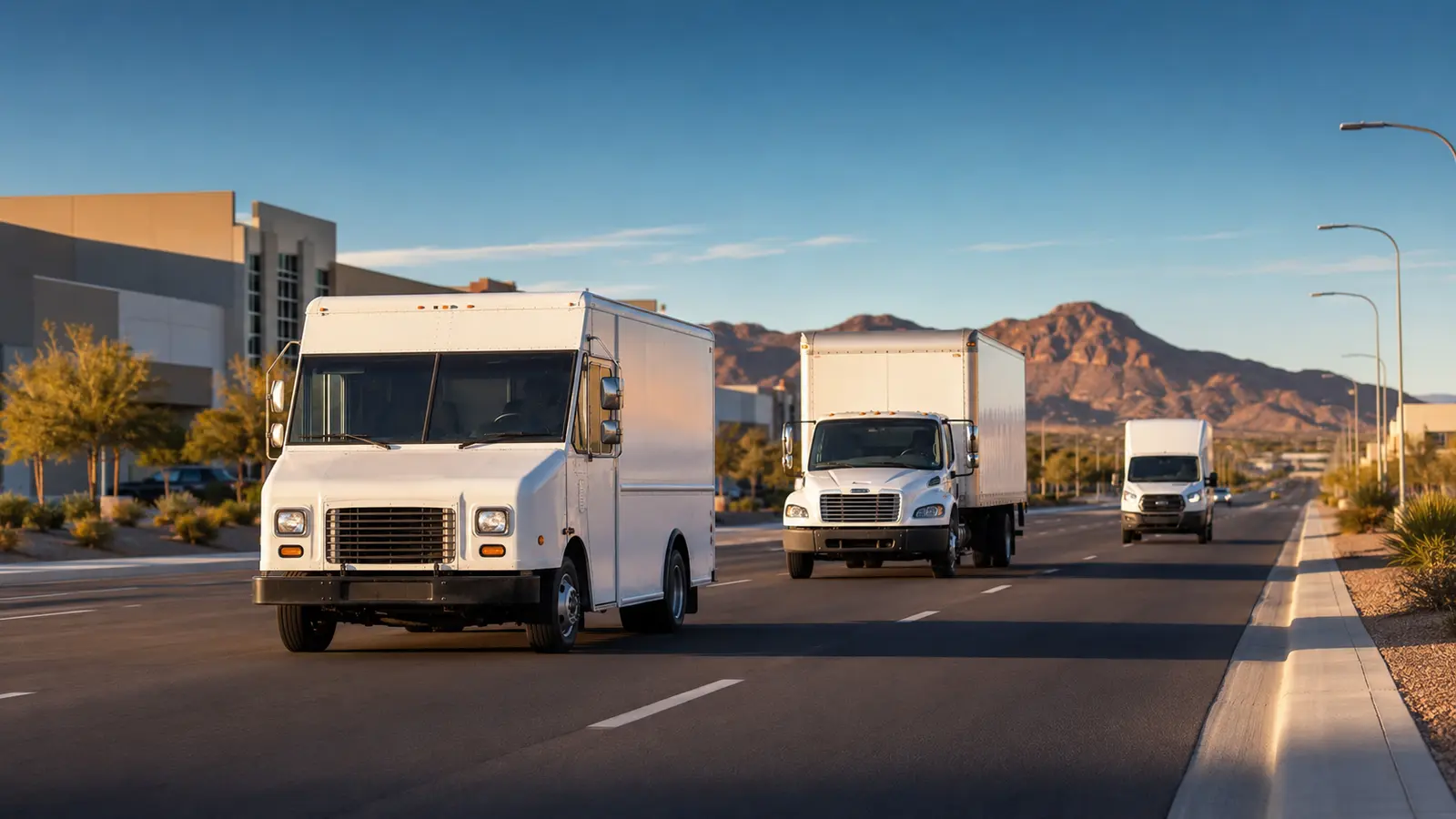
Northern Arizona contractor program
Commercial insurance guidance for independent P&D, ISP, freight, and line-haul contractors operating in Flagstaff and surrounding Arizona markets.
Elevation, winter weather, mountain grades, and long I-40 routes distinguish Flagstaff from lower-desert Arizona markets.
Local contractor quote review
Use the same two-step FedEx contractor form as our main program page. Your source page is retained so our team can see the local market, then the full application collects operations, coverage selections, limits, vehicles, drivers, payroll, and documents.
Operation-first placement
FedEx contractors are independent businesses. Contract instructions can change, and policy terms control coverage. We review the current requirements alongside the vehicle schedule, drivers, payroll, routes, claims history, and expansion plans before approaching markets.
Upload the current insurance exhibit or contract requirements. We will compare requested limits, endorsements, certificate instructions, and your actual operations.
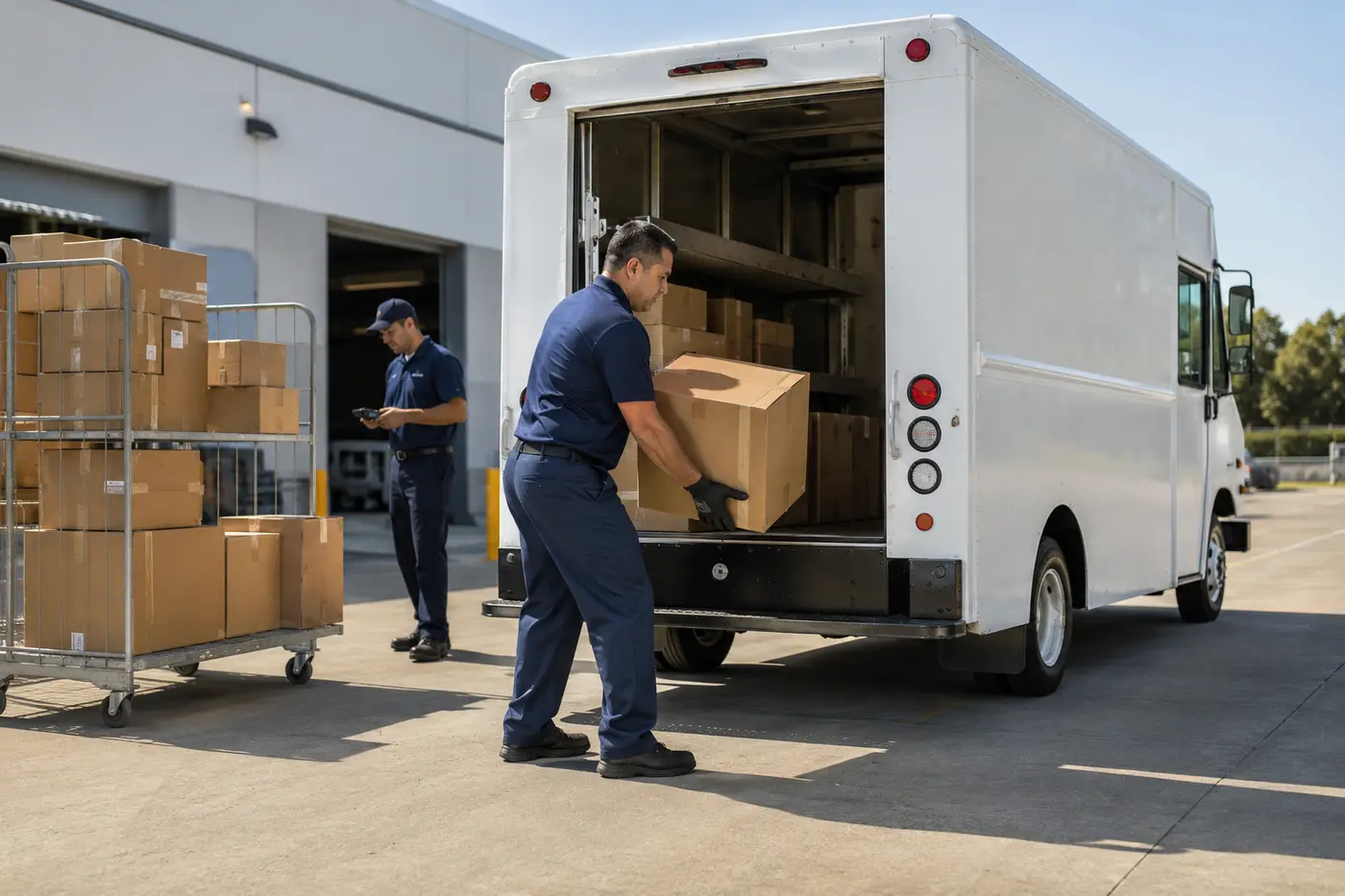
Pickup and delivery exposure
A P&D contractor is not described adequately by vehicle count alone. Underwriters need the average and maximum daily stops, service territory, terminal relationship, delivery density, helpers, seasonal labor, driver turnover, vehicle ownership, and how quickly new units are added during peak periods.
For Flagstaff operations, the route description should identify the I-40, I-17, US-89 corridors and explain whether the fleet remains local, crosses county or state lines, or mixes delivery work with line-haul. Clear operational detail reduces back-and-forth and helps markets classify the account correctly.
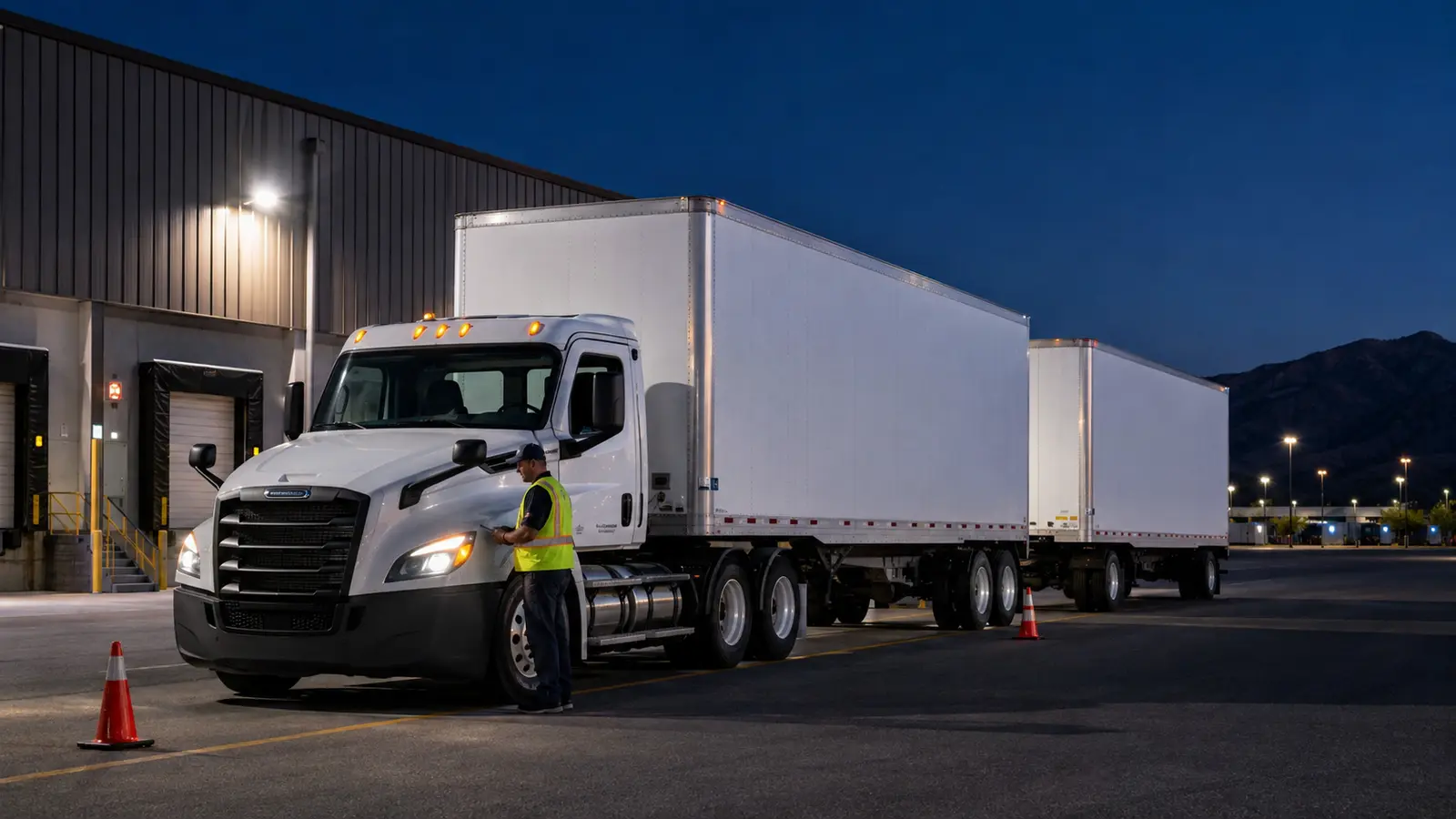
Line-haul and freight
Line-haul operations may involve tractors, single trailers, doubles, scheduled terminal runs, nighttime driving, longer radiuses, substitute equipment, and different driver experience than local delivery. Those details affect commercial auto, physical damage, cargo, workers’ compensation, and excess-liability review.
Risk controls that strengthen a submission
Claims history matters, but so do the controls used to prevent the next loss. A concise safety narrative can explain hiring standards, MVR review, onboarding, telematics, camera use, backing procedures, distracted-driving policy, maintenance intervals, incident escalation, and return-to-work practices.
Document license standards, MVR frequency, delivery experience, onboarding, ride-alongs, telematics coaching, accident review, and procedures for temporary or peak-season drivers.
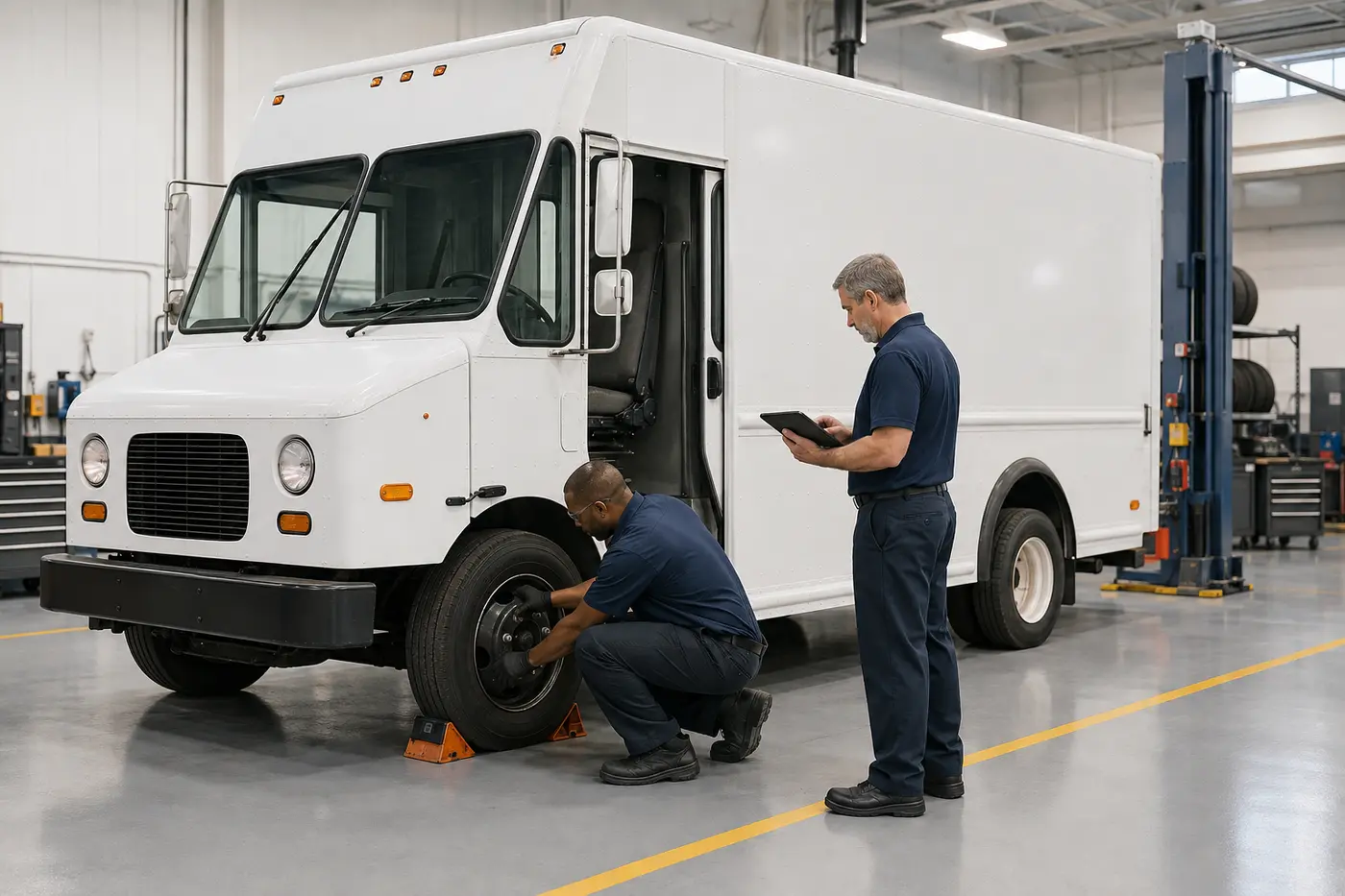
Explain preventive maintenance intervals, pre-trip and post-trip checks, tire and brake controls, repair vendors, spare-unit strategy, and how out-of-service vehicles are tracked.
Property, terminal, and loading activity
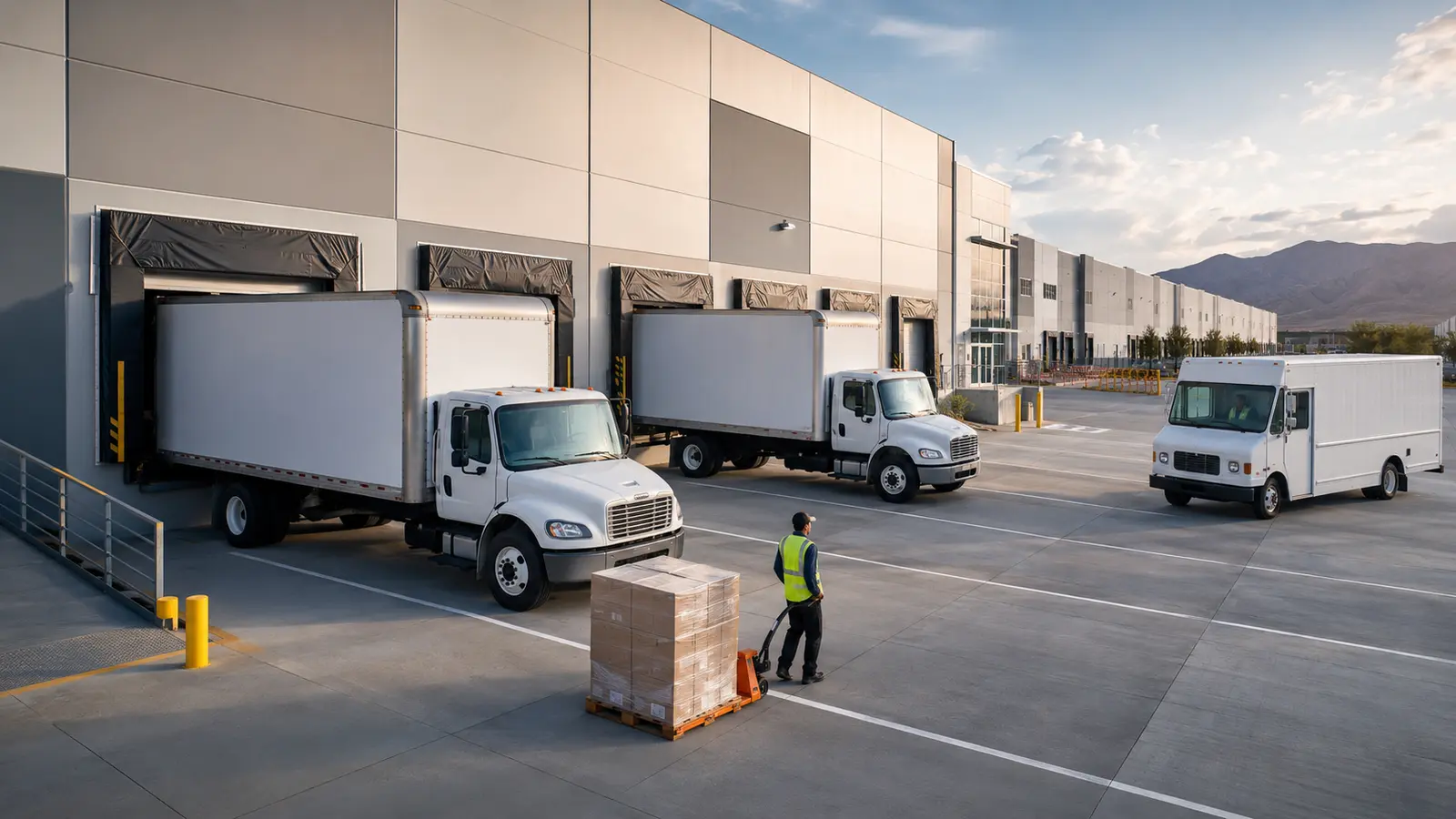
A complete review should identify garaging addresses, fenced or open yards, vehicle keys, overnight package or freight custody, employee parking, office or warehouse space, loading equipment, and any property that must be insured. If contractors use rented or borrowed units, hired-auto and physical-damage responsibilities should be examined rather than assumed.
The requested certificate wording should be compared with available policy terms. Additional-insured status, waiver of subrogation, primary and noncontributory wording, notice requests, and contractual liability questions remain subject to insurer approval and the policy.
Coverage for scheduled delivery vehicles, tractors, and other autos used in the operation.
Comprehensive and collision protection for owned or financed vehicles and equipment.
Coverage for employee drivers, helpers, dispatch, warehouse, and administrative payroll where required.
Protection for property in transit, subject to the commodities, limits, deductibles, and policy form.
Protection for non-auto premises and operations exposures that may arise around customer and terminal activity.
Coverage review for rented, borrowed, or employee-owned autos used in the business.
Additional limits when required by contract or appropriate for the operation’s severity exposure.
Optional protection for workforce claims and business systems that store driver or customer information.