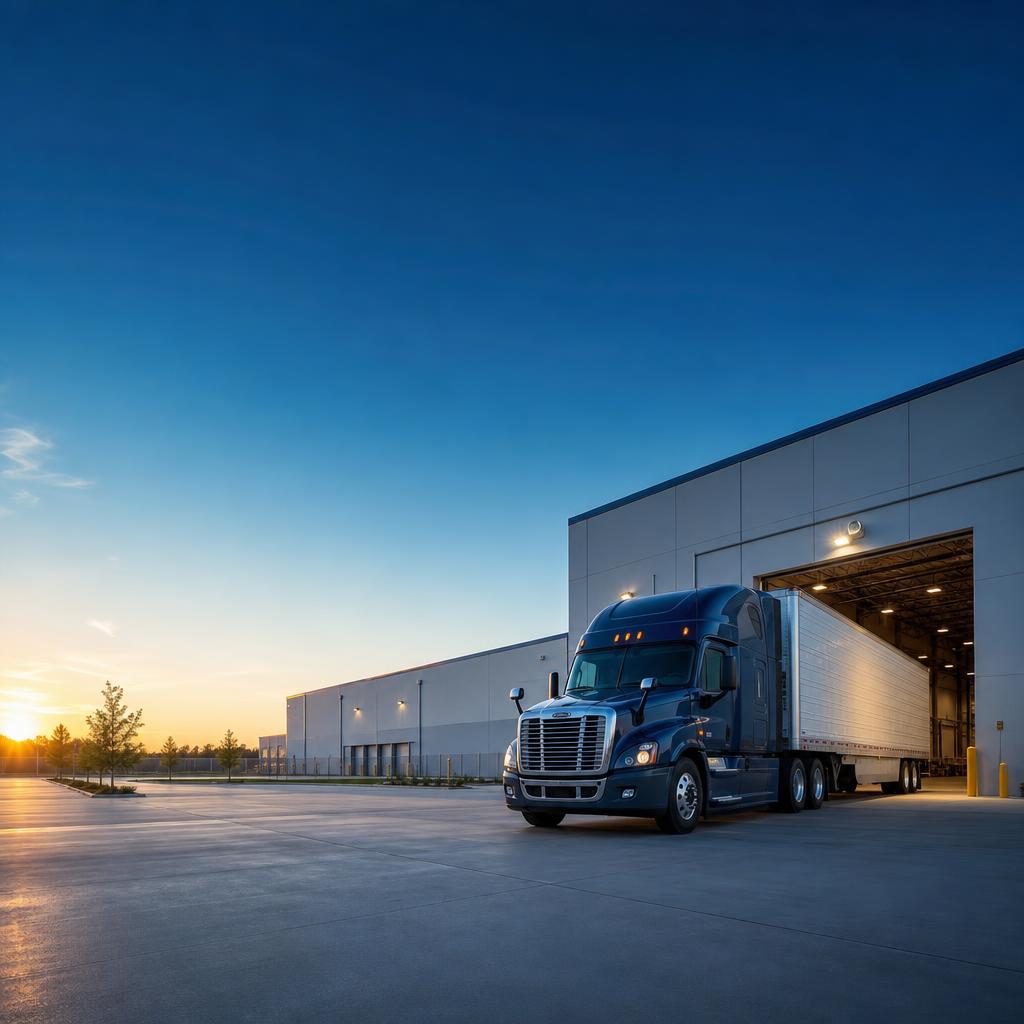
Primary auto liability
Build the liability discussion around the truck, drivers, radius, and broker, shipper, or contract requirements that apply to the actual operation.
TX owner-operator markets
Independent carriers and small trucking operations in Texas may connect freight nodes such as Port Houston and BNSF Alliance through corridors including I-10, I-20, I-30. A useful insurance review starts with the actual operation, garaging location, drivers, equipment, commodities, customer requirements, and operating radius. Explore a city market or start a qualified coverage review using the actual details of your operation.
Find your local market
City pages add useful freight context, but they do not replace the actual garaging, operating, and mailing details used for underwriting. Select a major market or hub to prepare for a more informed conversation.
Coverage planning
Build the liability discussion around the truck, drivers, radius, and broker, shipper, or contract requirements that apply to the actual operation.
Review tractor and trailer values, ownership or finance details, deductibles, security, and the actual place equipment is garaged.
Match limits and policy wording to commodity, value, loading practices, temperature control, and any customer requirements.
Leased operators, trailer interchange work, and customer-site exposure can require a separate discussion from a standard own-authority submission.
Start with the operational snapshot
Start with the basics. We will use your actual operation, equipment, driver, commodity, and history details for a qualified review.
FAQs
Start with the actual garaging and mailing addresses, the truck or trailer details, driver experience, operating radius, commodities, current policy information, loss history when available, and customer or broker requirements. Operations involving Port Houston may also need contract, terminal, interchange, or certificate details.
Yes, new ventures are welcome to request a review. A new authority or limited operating history can affect available markets, documentation, down payment, price, and terms. Eligibility and binding are always subject to carrier underwriting and the actual operation.
Yes. Include accurate loss information and any coverage-gap details so the insurance team can review the submission with appropriate markets. A claim history or lapse does not create a promise of placement, pricing, or terms; each account is evaluated case by case.