Heavy Haul Truck
Insurance for Oversized
& Specialized Freight
Commercial insurance for heavy-haul trucking companies transporting oversized loads, construction equipment, industrial machinery, superloads, cranes, wind turbine components, and specialized freight.
Some of the insurance markets we work with








Carrier availability varies by state, operation type, fleet size, and underwriting requirements.
Who We Cover
Heavy Haul Operations We Insure
From single-unit owner-operators running lowboys to multi-truck superload fleets — we work with specialty markets that understand oversized freight.
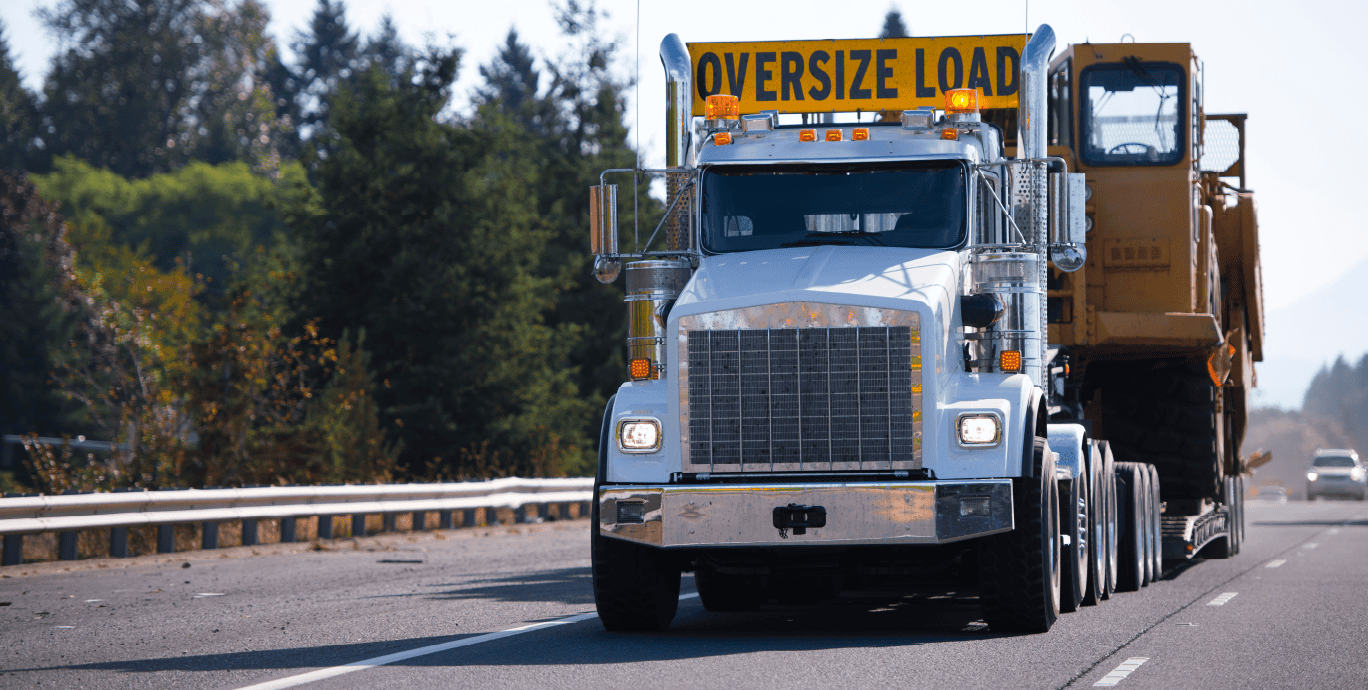
Heavy Haul Trucking
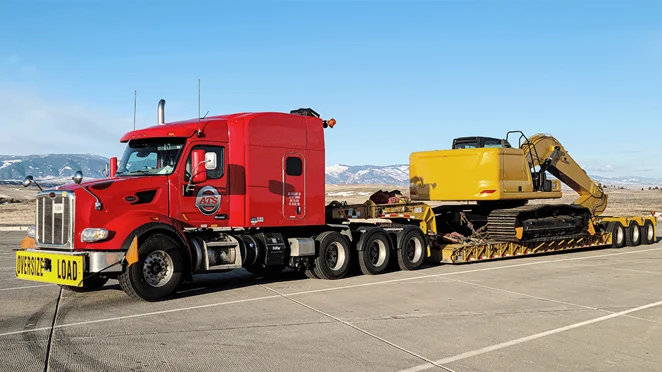
Oversized Load Carriers
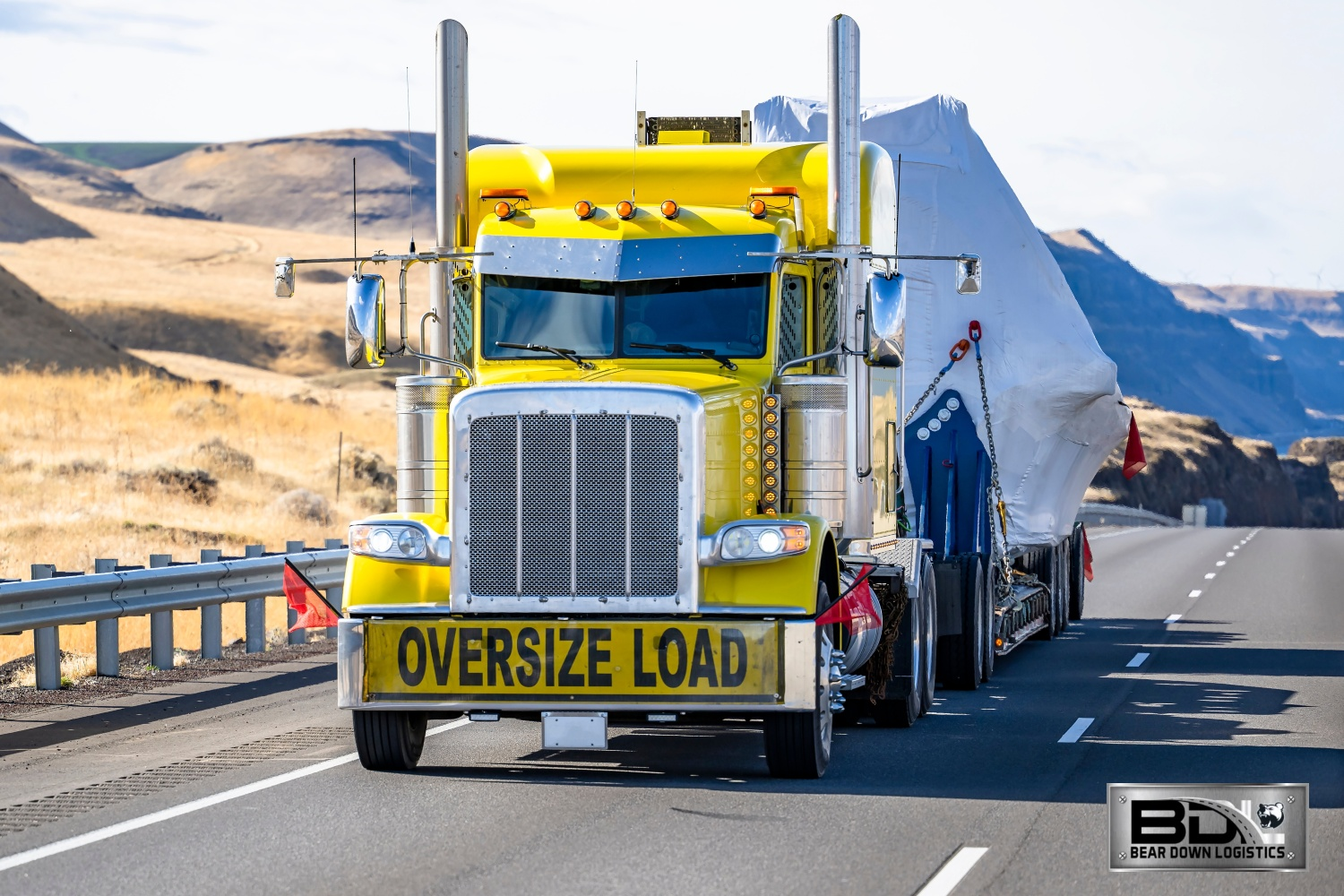
Superload Transporters
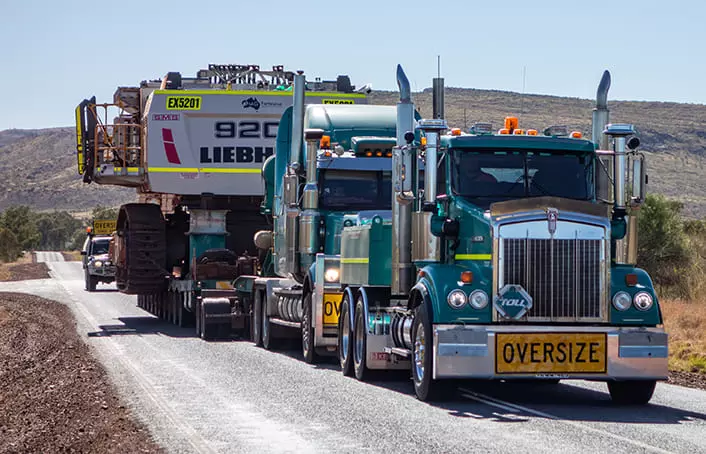
Heavy Equipment Movers
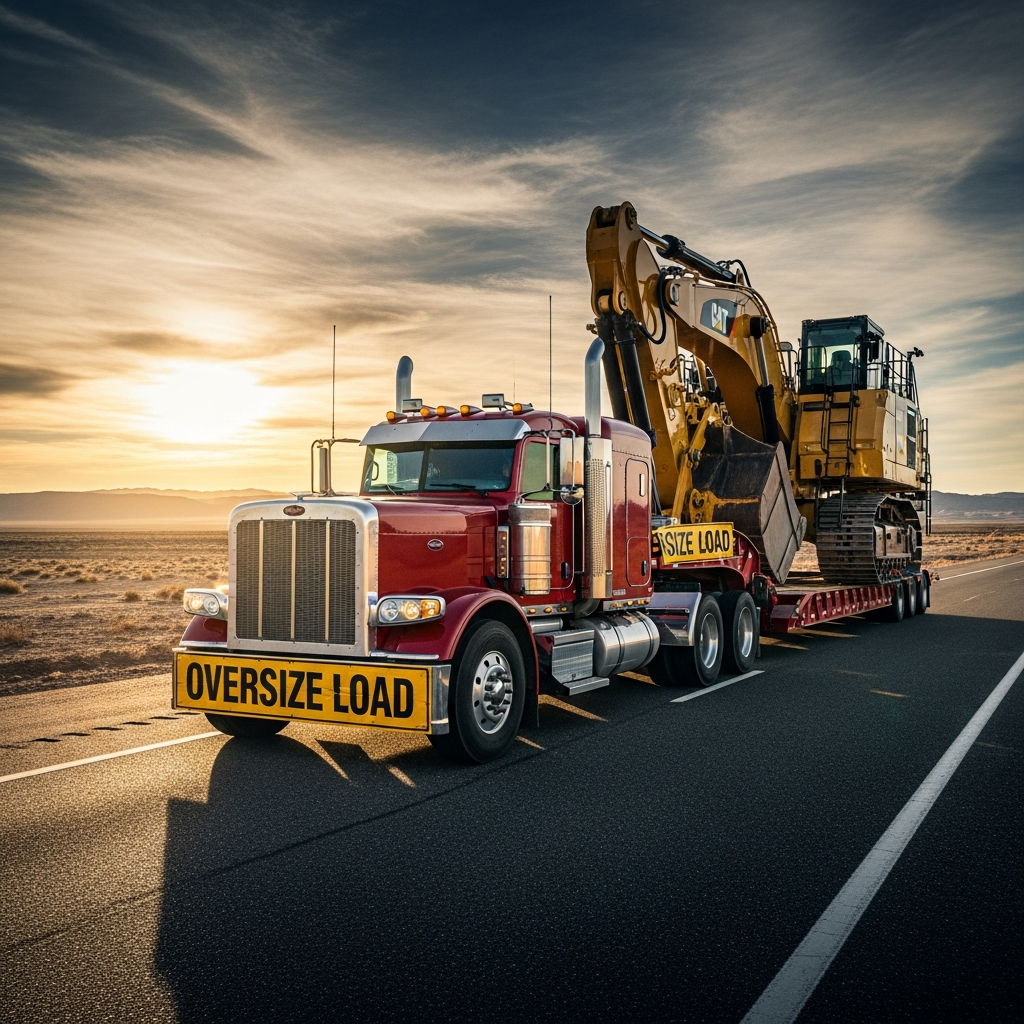
Construction Equipment
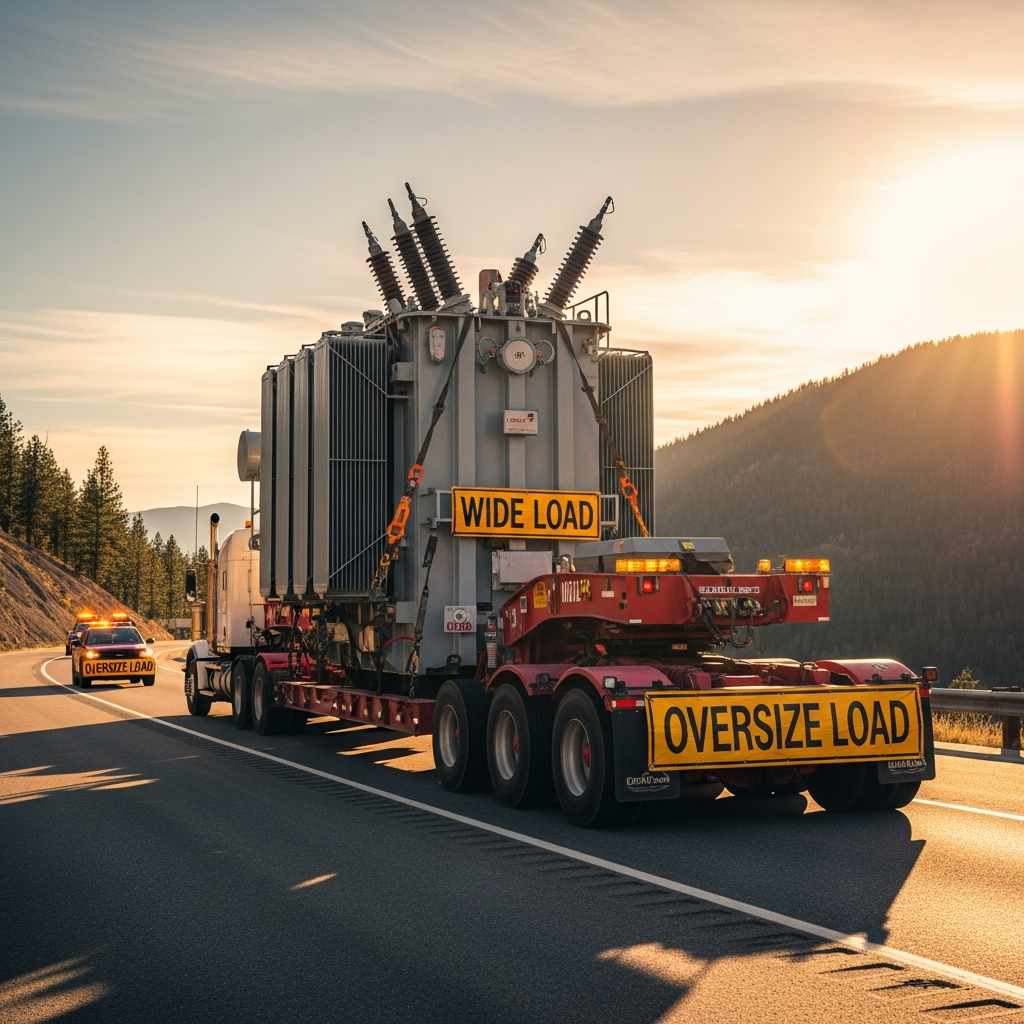
Wind Energy Transport
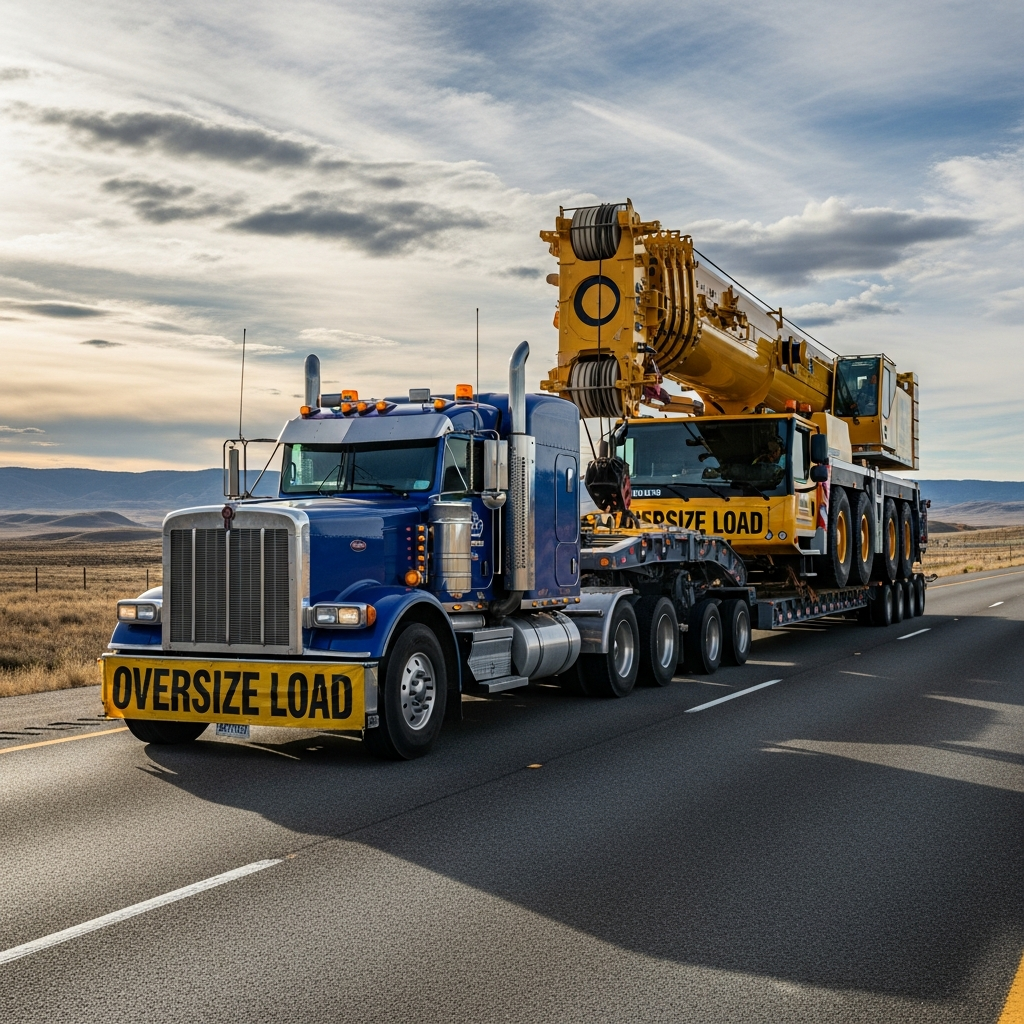
Crane & Machinery Haulers
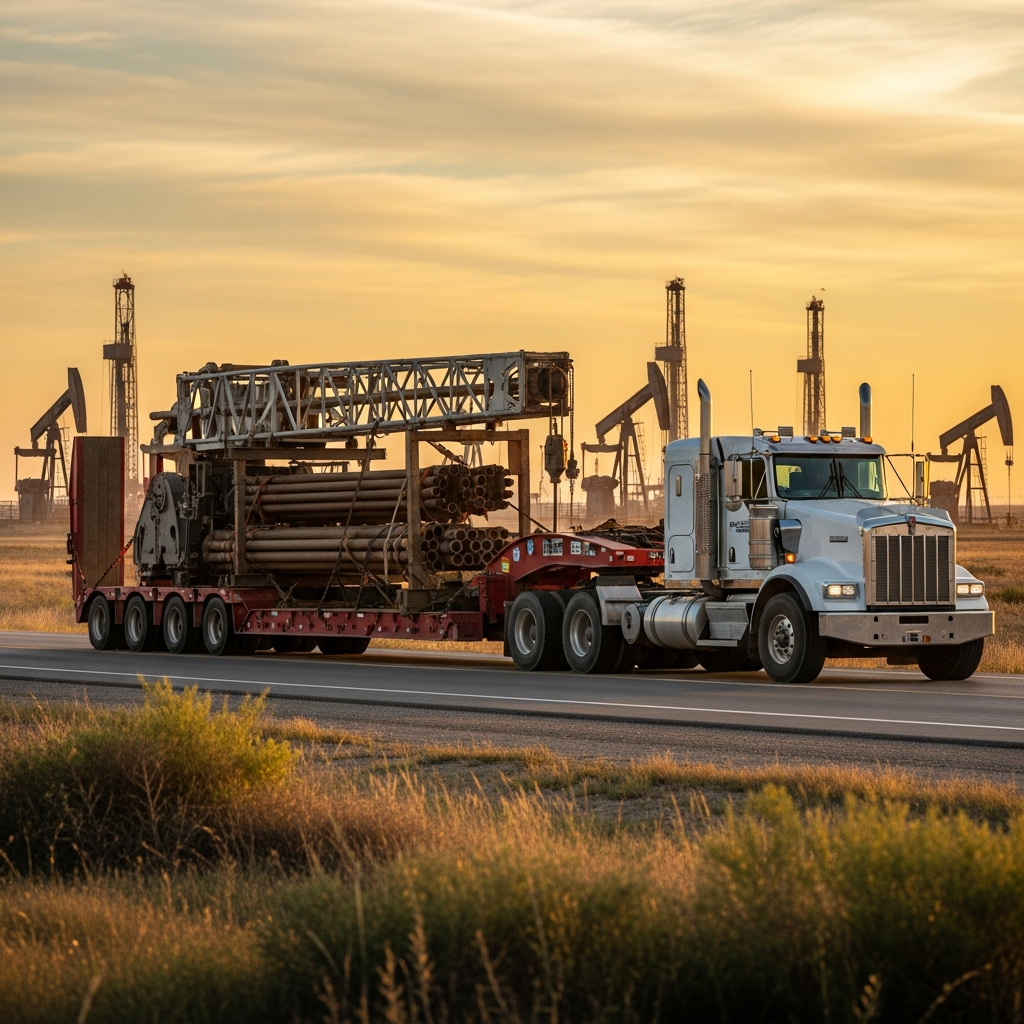
Oilfield Equipment
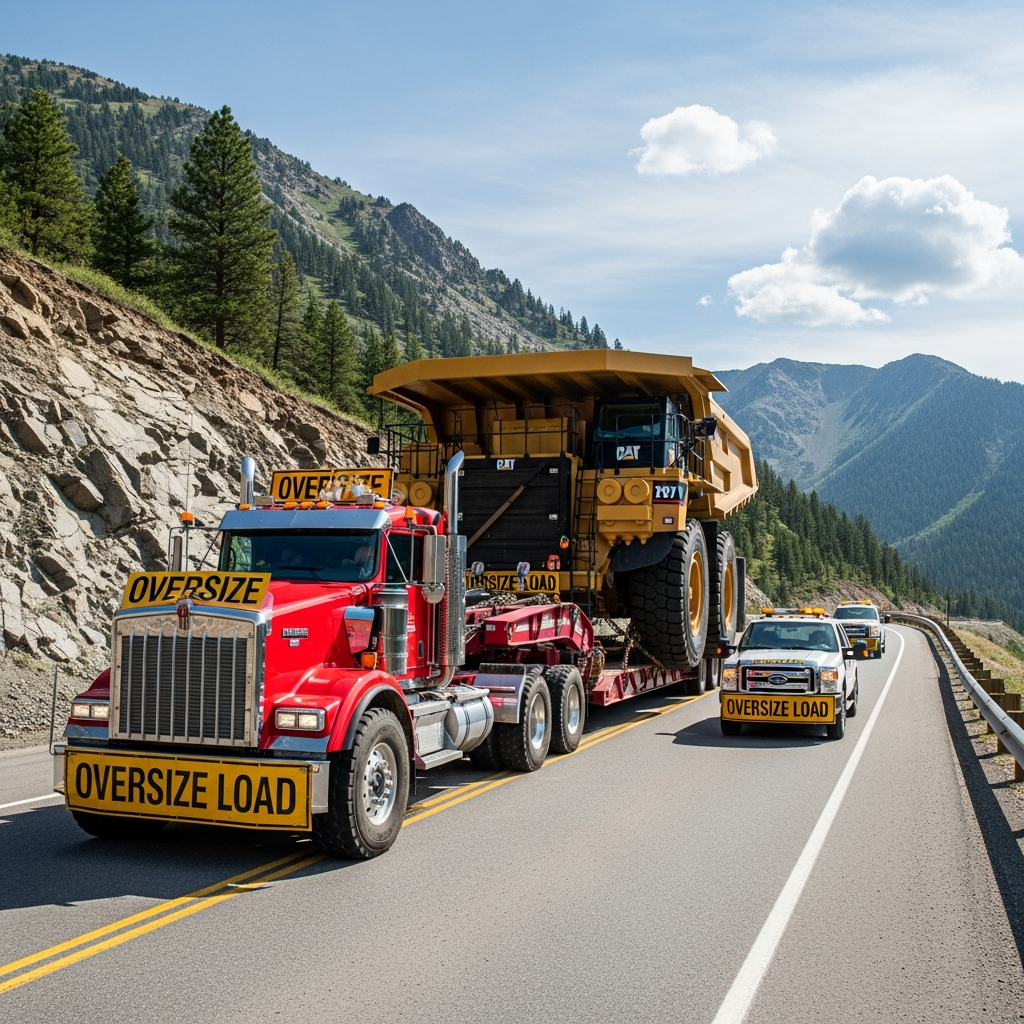
Mining Equipment
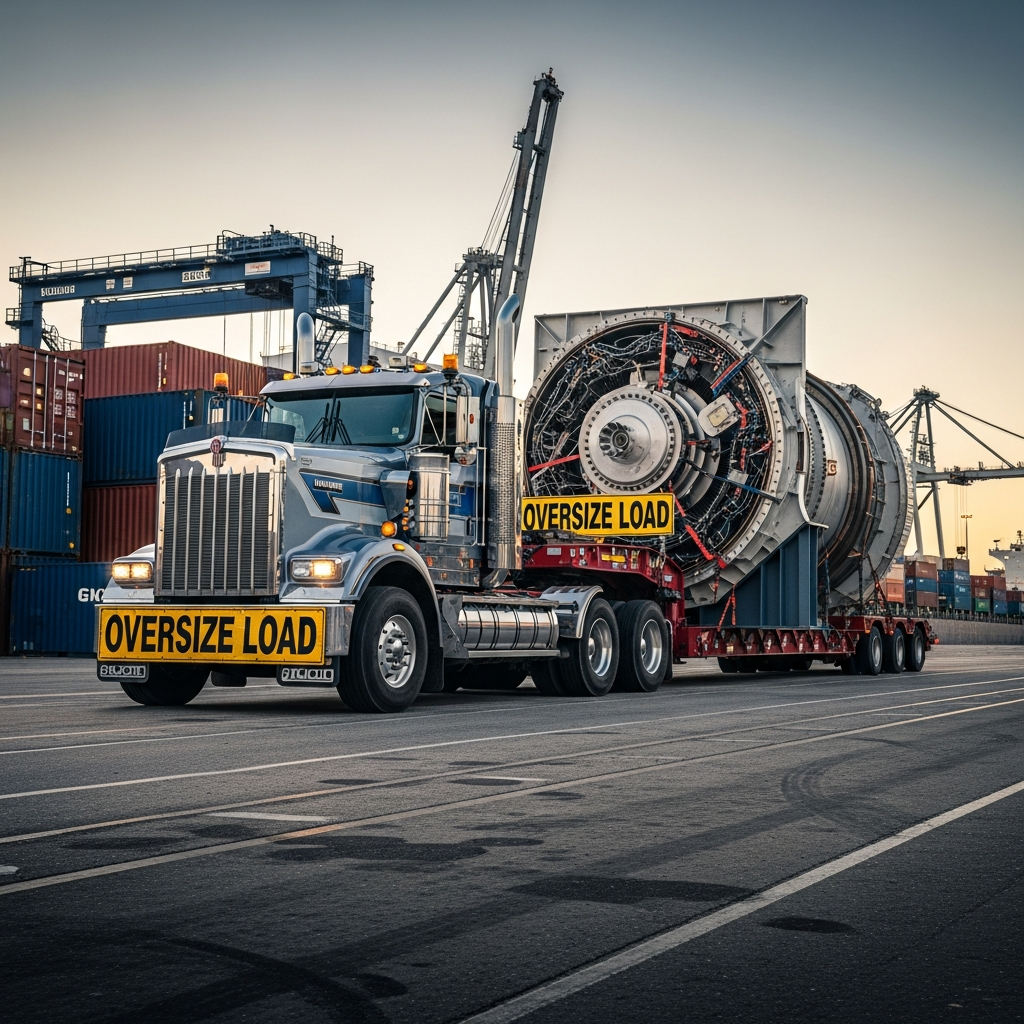
Industrial Machinery
Coverage Options
What's Covered
Heavy haul programs are built around your specific operation — cargo type, trailer configuration, load values, and contract requirements.
Commercial Auto Liability
Required by FMCSA for all for-hire carriers. Covers bodily injury, property damage, and legal defense from covered accidents. Available up to $5M+ for specialized operations.
Physical Damage
Covers your tractor and specialty trailer for collision, comprehensive loss, theft, and weather — including lowboy, RGN, double-drop, and multi-axle configurations.
Motor Truck Cargo
Protects the equipment or freight in transit — excavators, cranes, transformers, wind blades, and heavy machinery — from covered loss or damage during transport.
General Liability
Covers non-auto claims including job-site incidents, loading dock injuries, and customer-property damage that occur in the course of your trucking operations.
Excess Liability / Umbrella
Stacks additional limits over your primary auto and GL — essential for high-value heavy haul loads, superload permits, and contract requirements up to $5M or more.
Trailer Interchange
Physical damage on non-owned trailers used under a trailer interchange agreement — critical when operating with rented or borrowed specialty trailers.
Inland Marine / Cargo
Blanket coverage for high-value loads moved under one-time or project-based contracts. Ideal for transformers, generators, boilers, and modular structures.
Contractors Equipment
Covers the heavy equipment itself — excavators, cranes, dozers, pavers — while in transit or temporarily at a job site.
Pollution Liability
Covers fuel spills, hydraulic fluid leaks, and other pollution events that occur during transport or loading operations when needed for your cargo type.
Workers Compensation
Required for employees. Covers work-related injuries for drivers and yard crew.
Occupational Accident
An alternative to workers comp for owner-operators. Covers on-the-job injuries, disability income, and accidental death benefits.
Non-Owned Trailer
Physical damage for leased or borrowed trailers not listed on your policy — useful for carriers who frequently use customer-owned or rented trailers.
Trailer Types
Specialty Trailers We Insure
Equipment Types
Equipment We Cover in Transit
Know Your Exposure
Risks That Make Heavy Haul Different
Heavy haul trucking carries exposures standard trucking policies weren't designed to handle. Make sure your coverage keeps up.
High-Value Cargo Exposure
A single excavator, transformer, or crane can be worth $500K–$5M+. Standard trucking cargo policies won't cover specialized equipment at these values — you need a program built for heavy haul.
Oversize & Overweight Permits
Every state has different weight and dimension limits. Hauling without a valid permit or exceeding authorized dimensions can void coverage and trigger fines.
Load Securement & Shifting
Heavy, awkward loads are prone to shifting in transit. A cargo shift at highway speed can cause a rollover — one of the most expensive claims in heavy haul trucking.
Bridge & Route Restrictions
Exceeding posted bridge weight limits or deviating from a permitted route is a serious liability. Route planning and pilot car compliance matter for both safety and coverage.
Loading & Unloading Accidents
Most damage to high-value equipment happens during rigging, loading, and unloading — not on the road. Make sure your cargo and GL coverage extends to these operations.
Third-Party Property Damage
Wide or tall loads can strike overpasses, signs, trees, and utility lines. Liability for infrastructure damage can quickly exceed a standard $1M policy limit.
Permits & Compliance
Permits, DOT, and Regulatory Requirements
Every state has its own rules for oversized and overweight loads. Permit requirements, escort rules, and axle weight formulas must all be factored into your operation — and your insurance policy needs to reflect your actual moves.
State Oversize Permits
Required in each state for loads exceeding legal width, height, length, or weight. Single-trip and annual permits available depending on frequency and route.
FMCSA & DOT Compliance
For-hire interstate heavy haul carriers must maintain active FMCSA authority, MCS-90 endorsement, and BMC-91X electronic filing.
Escort / Pilot Car Requirements
Most states require pilot cars for loads over a certain width or height. Some loads require police escorts. Requirements vary by state and load dimensions.
Bridge Formula & Axle Weights
Federal and state bridge formulas dictate how weight must be distributed across axles. Multi-axle trailers help spread loads and meet these requirements.
Industries We Serve
Who Uses Heavy Haul Insurance?
Construction
Wind & Solar Energy
Oil & Gas
Mining
Manufacturing
Government & Defense
Agriculture
Infrastructure
Why It Costs What It Costs
What Affects Your Heavy Haul Rate?
Heavy haul insurance is priced based on the risks specific to your operation. The more hazardous the cargo and the more states you operate in, the more it matters to work with a specialist who can find you the right market.
How to Get Quoted
What We Need from You
Have these ready to speed up your quote. Don't have everything? Call 1-888-254-0089 and our team will guide you through it.
Common Questions