










Product and local operating guide
Building a complete Seattle, WA drayage insurance submission
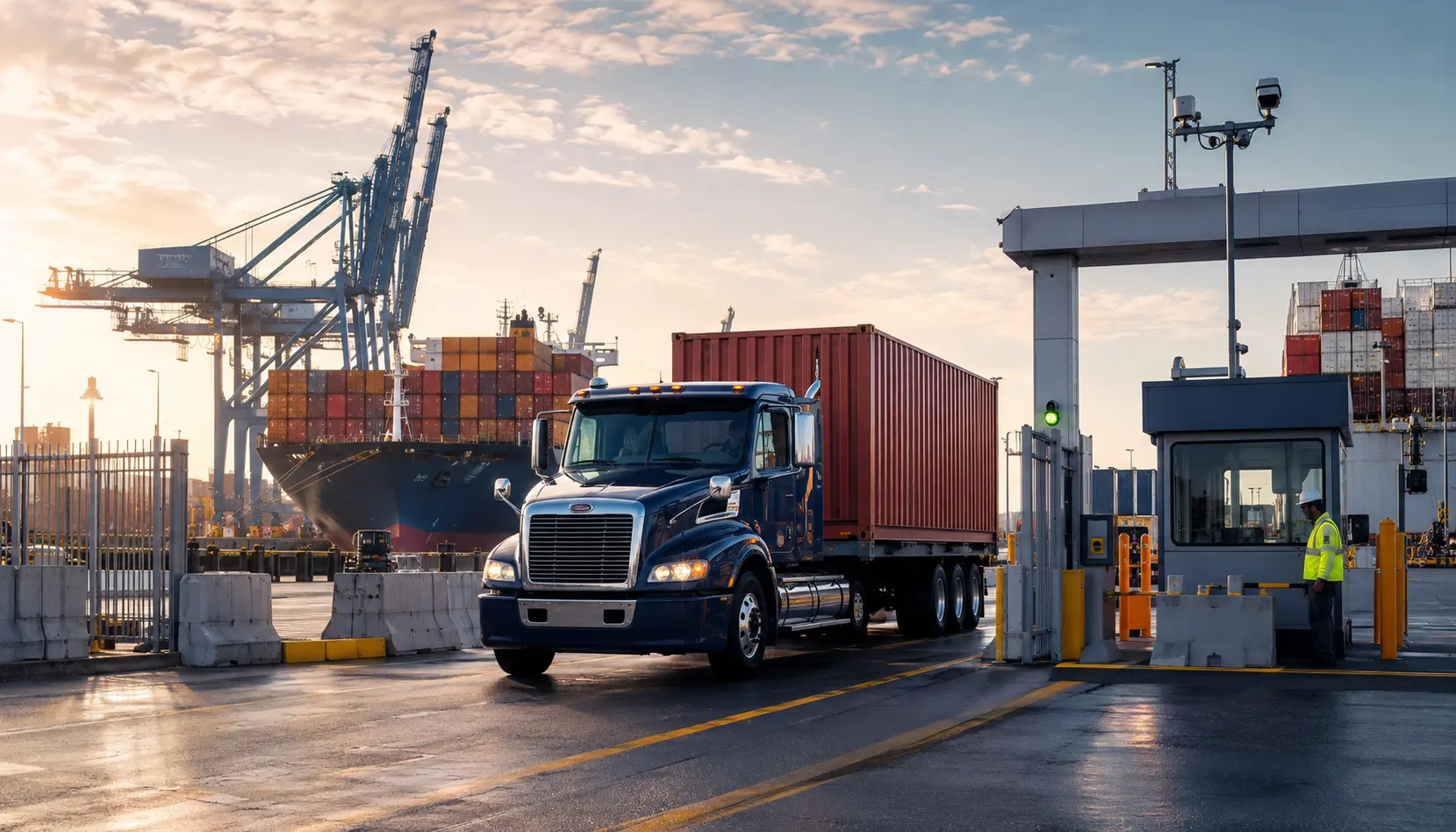
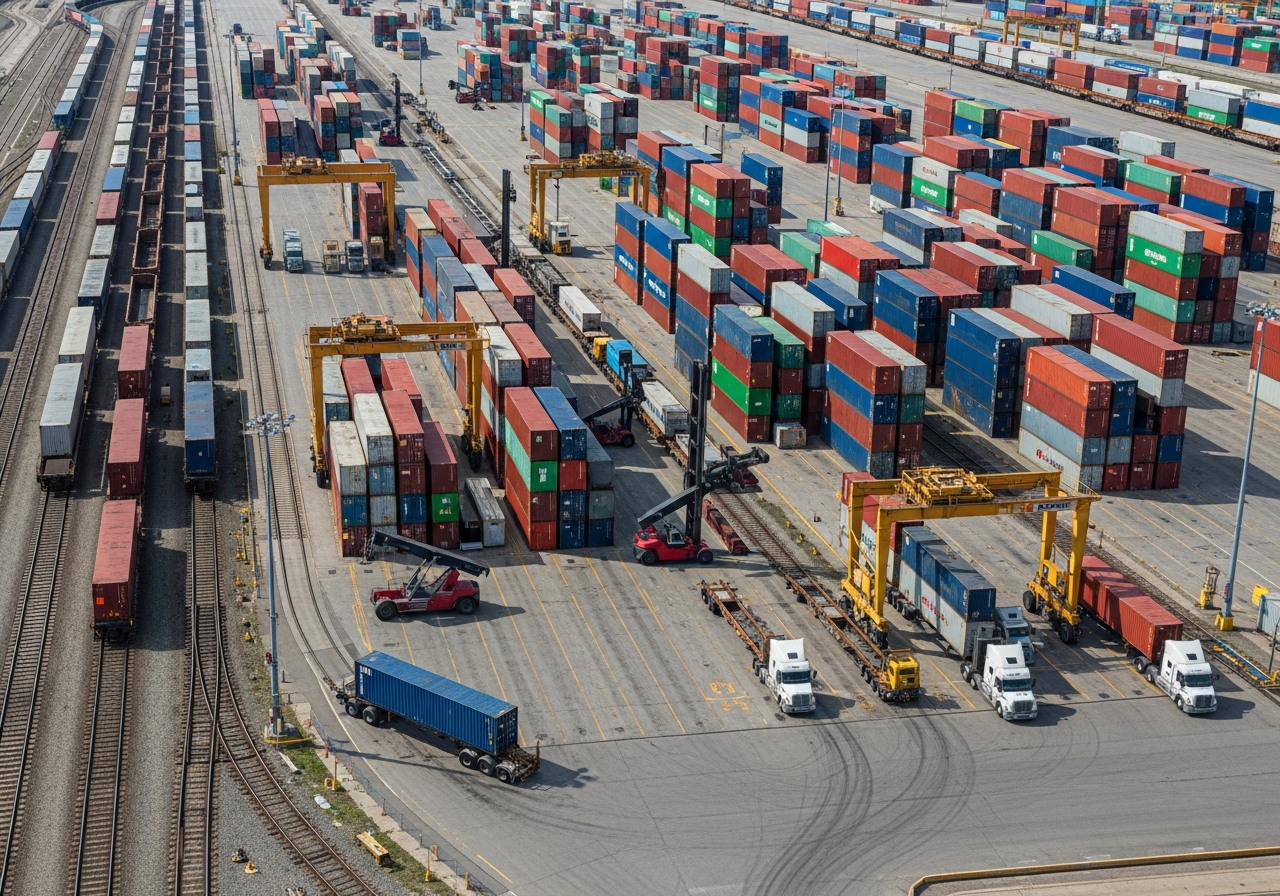
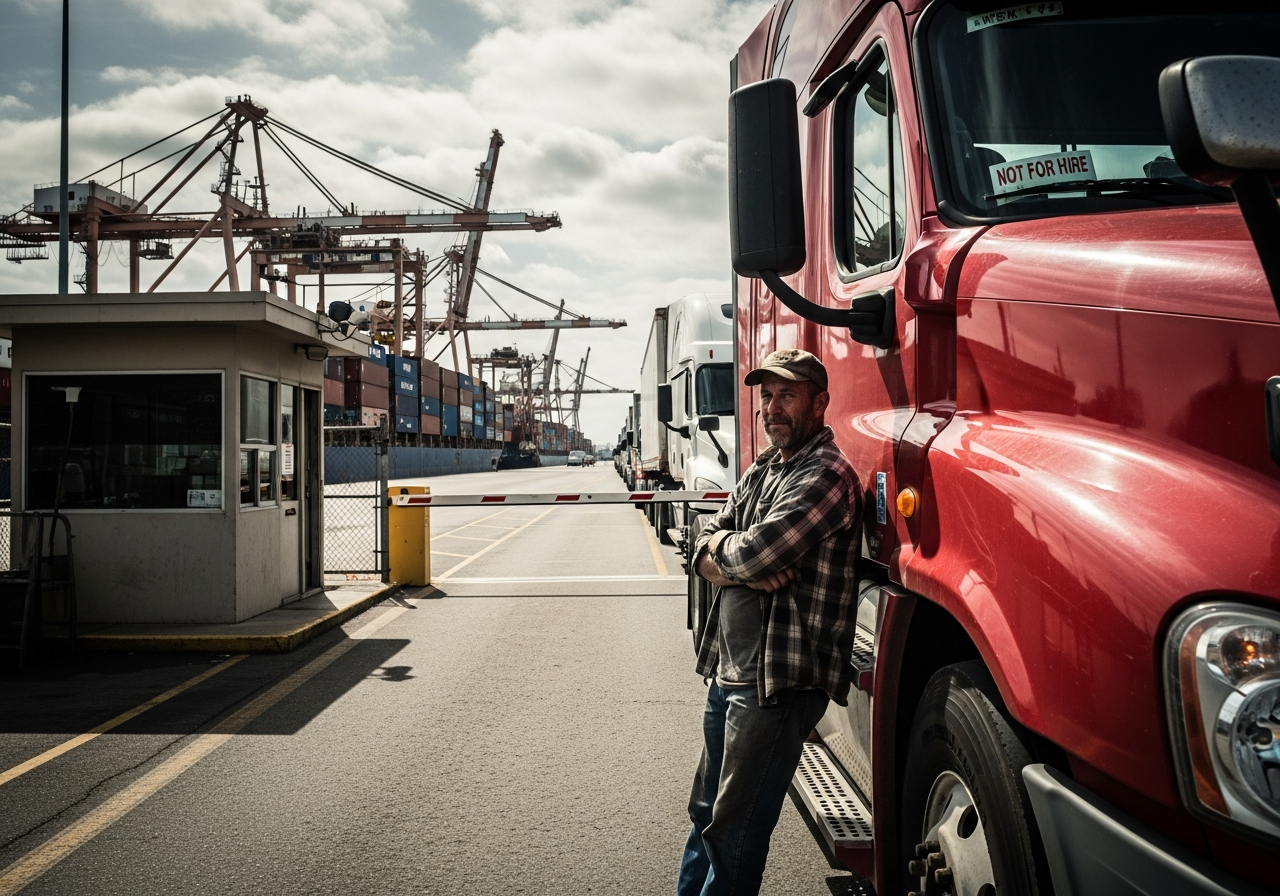
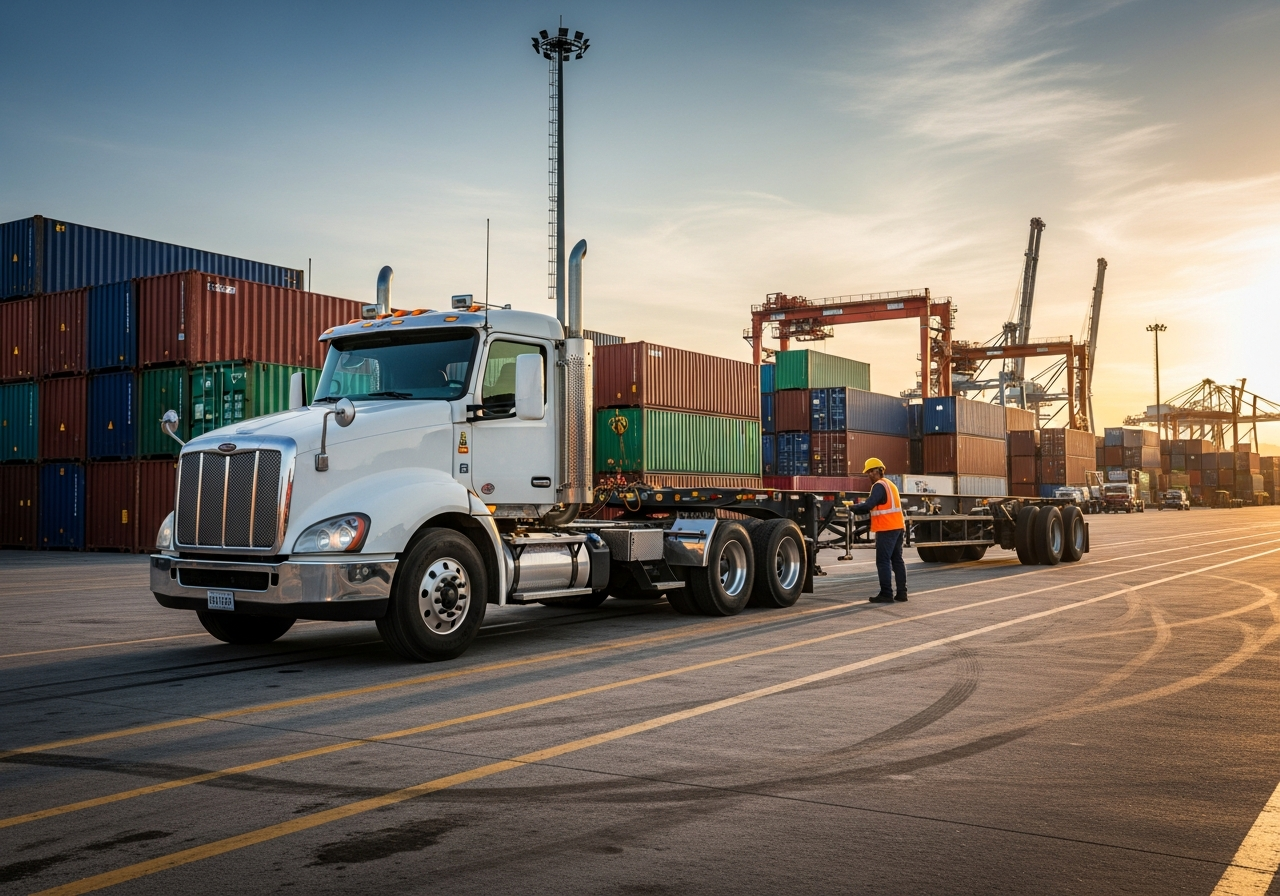
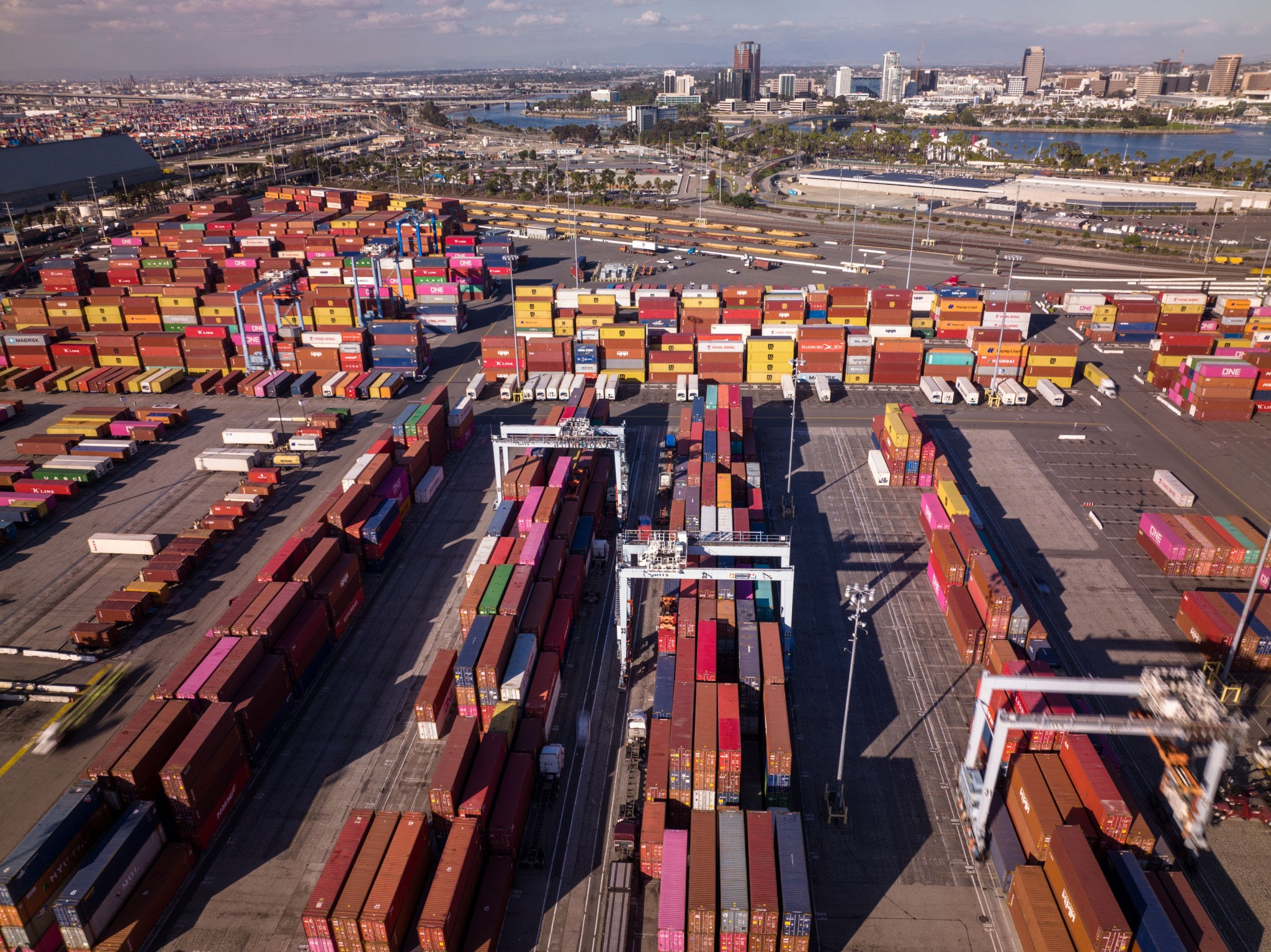
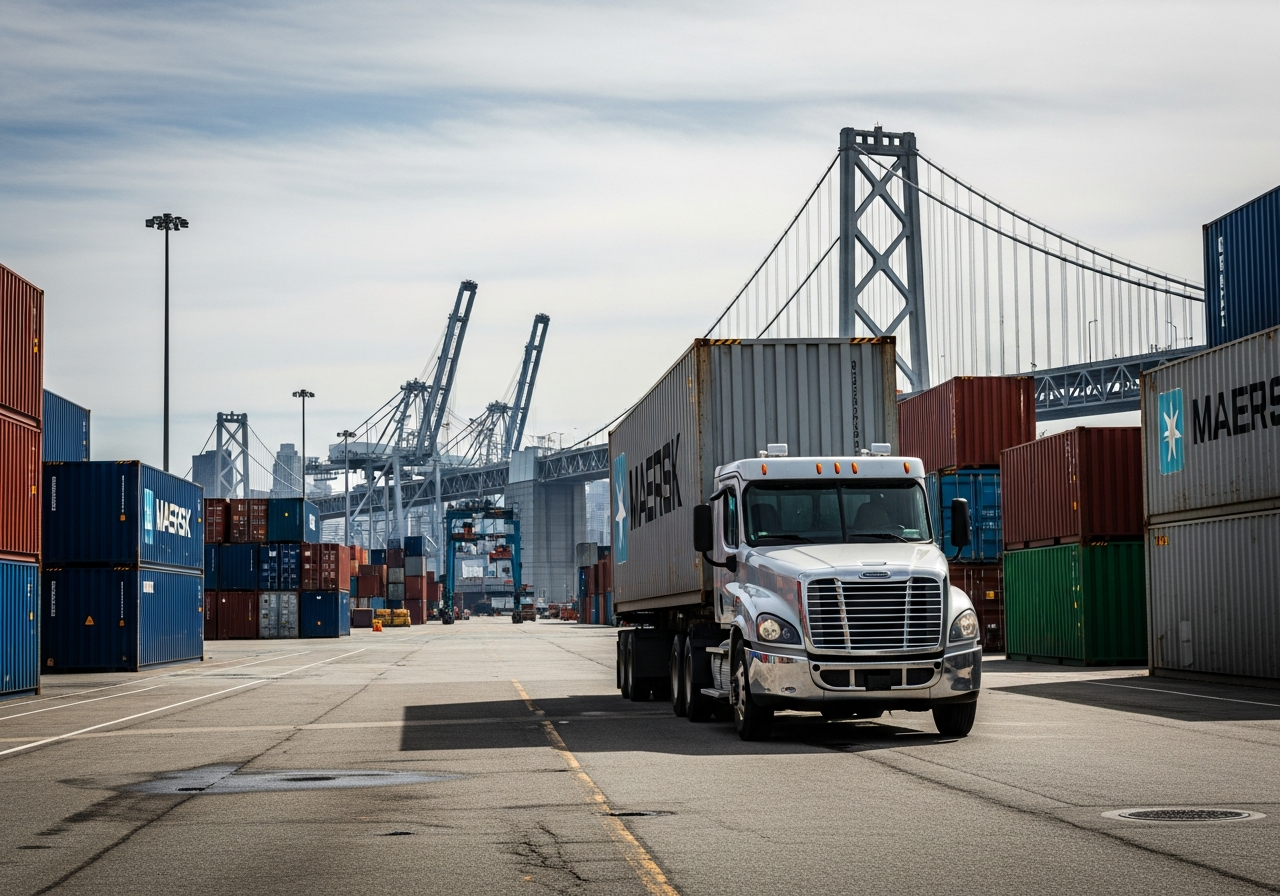
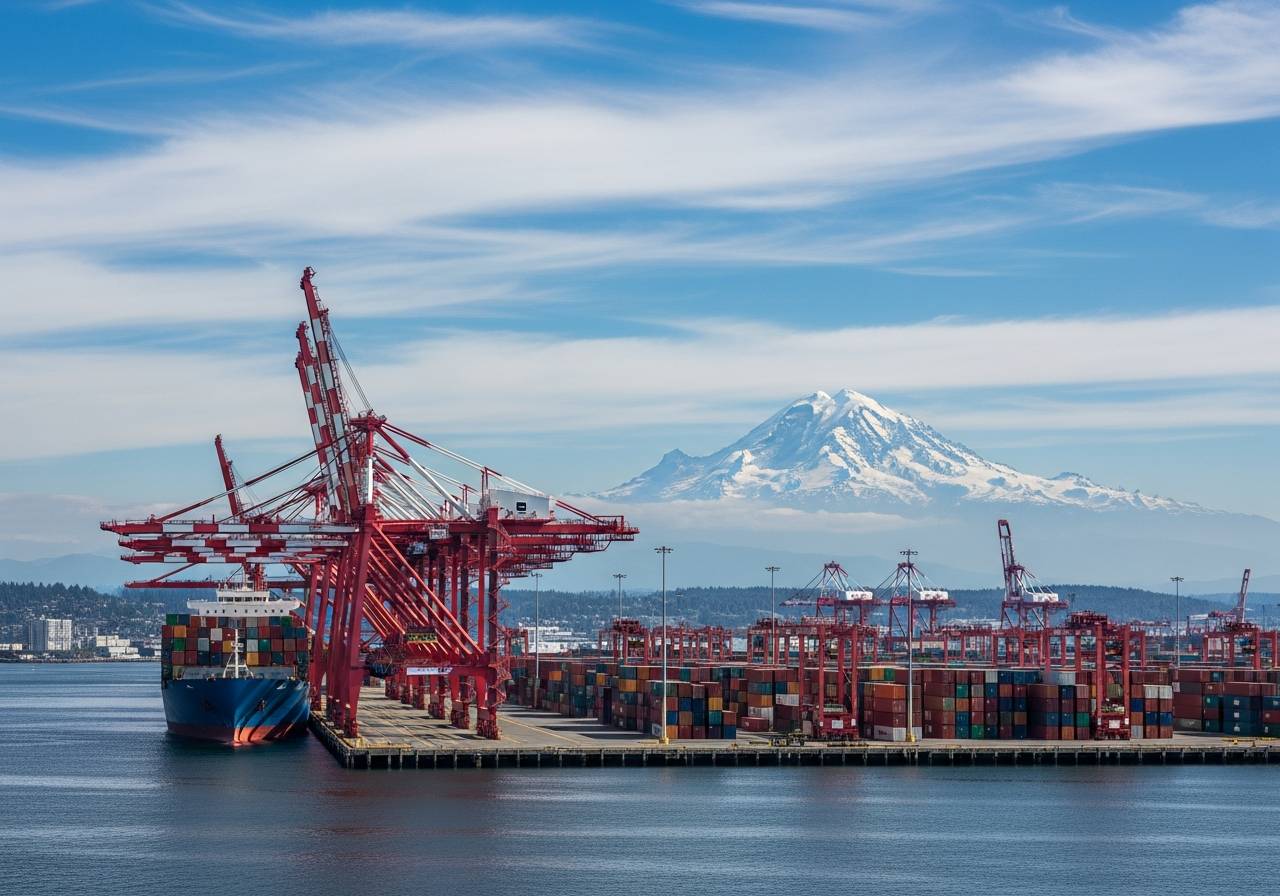
Seattle drayage carriers move containers between Port of Seattle terminals (T5, T18, T46), BNSF Seattle Intermodal, and UP Seattle facilities, serving Pacific Northwest distribution and regional customers. Washington State's weather conditions, Seattle's urban geography, and UIIA compliance requirements make Puget Sound drayage a specialty insurance class.
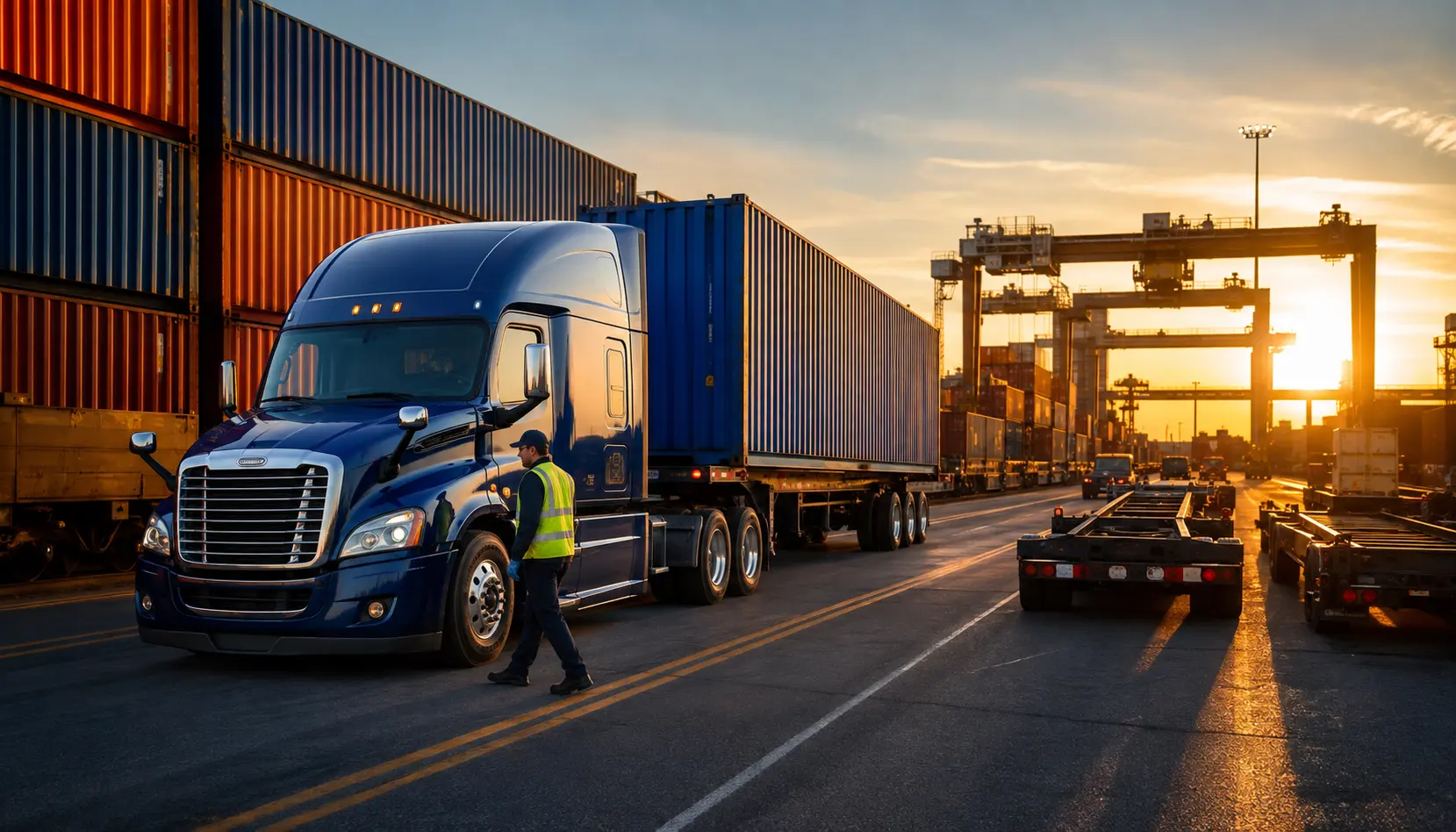
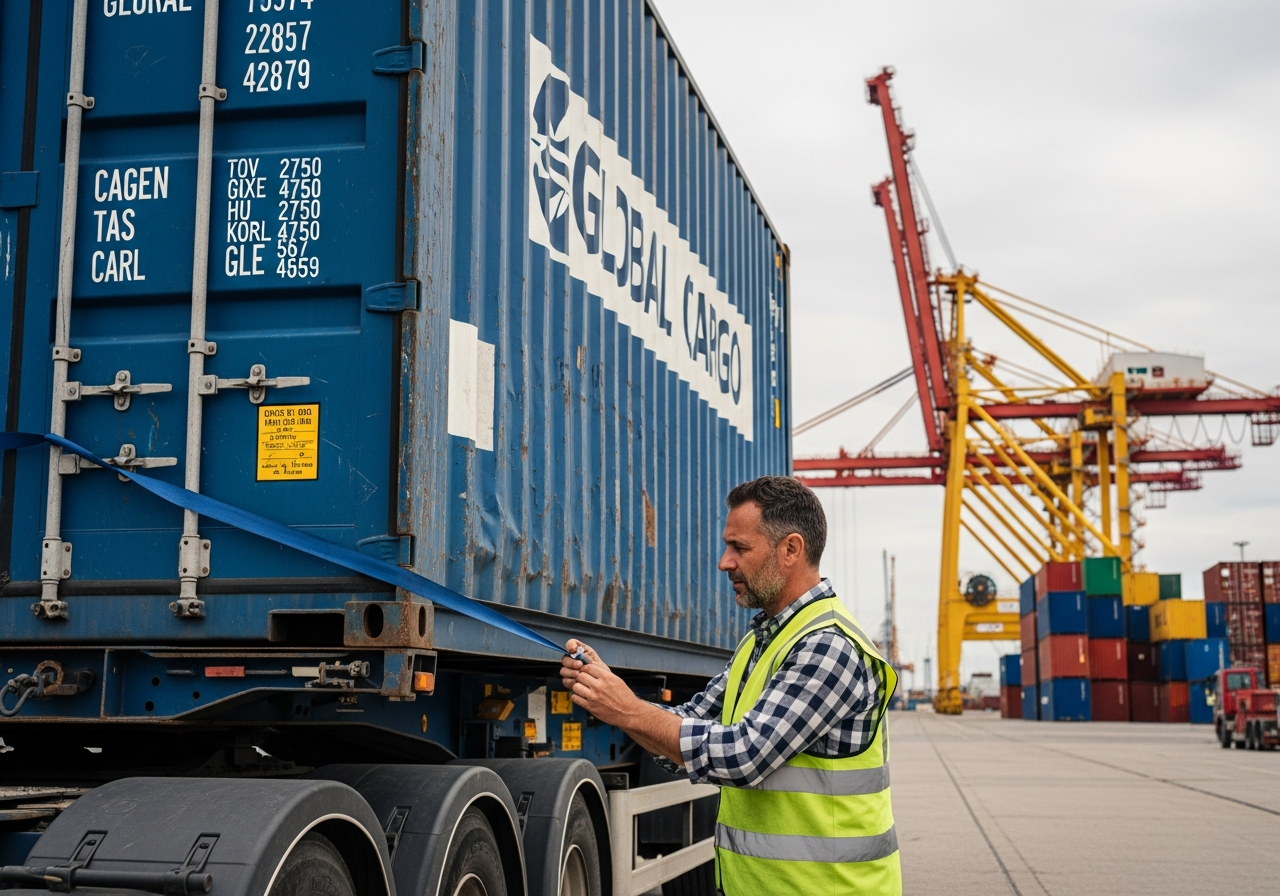
Drayage underwriting depends on the actual short-haul container workflow: port or rail access, chassis and container custody, warehouse transfers, empty returns, cargo values, parking, drivers, radius, contracts, UIIA status, and any longer regional or truckload work.
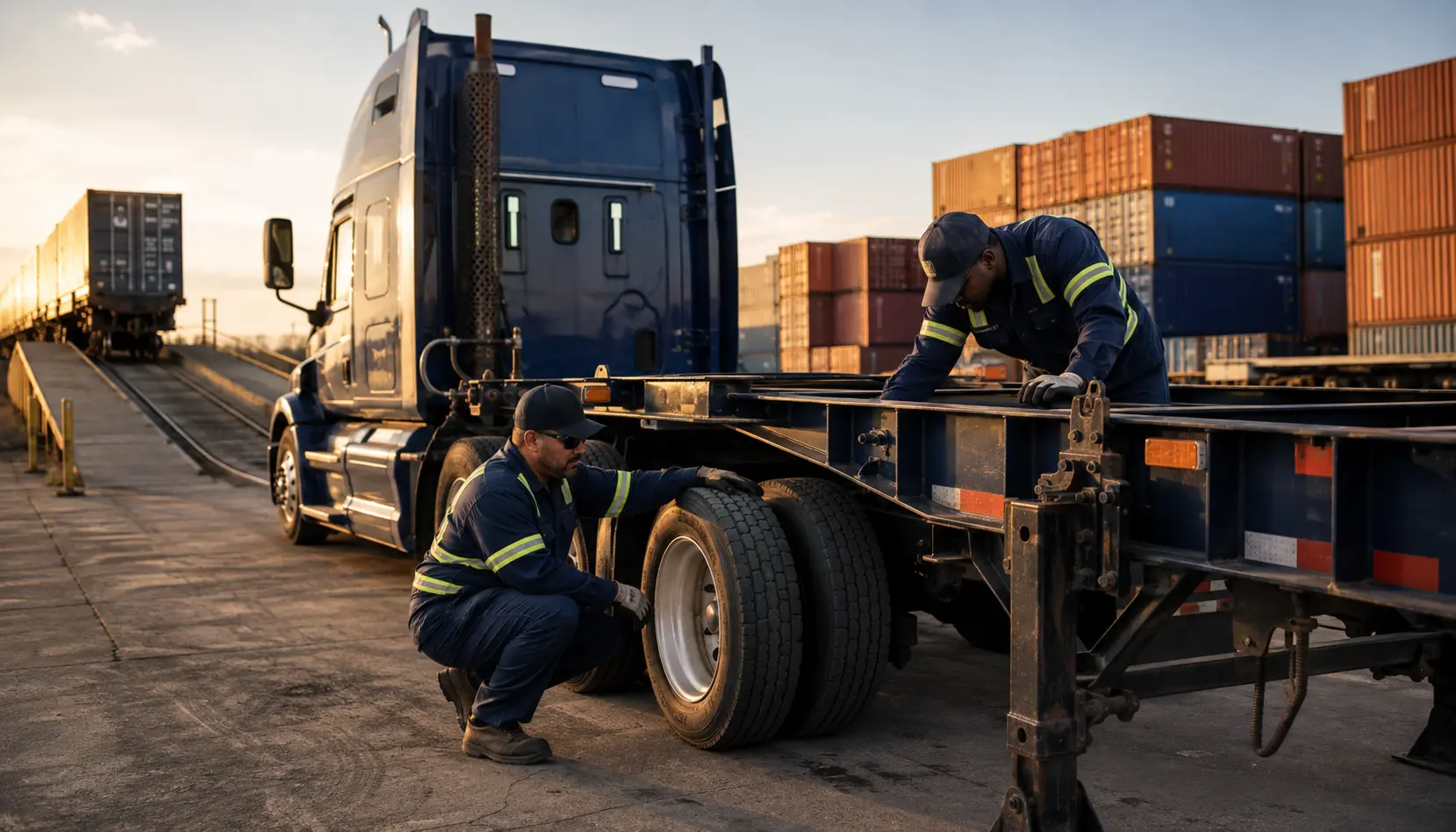
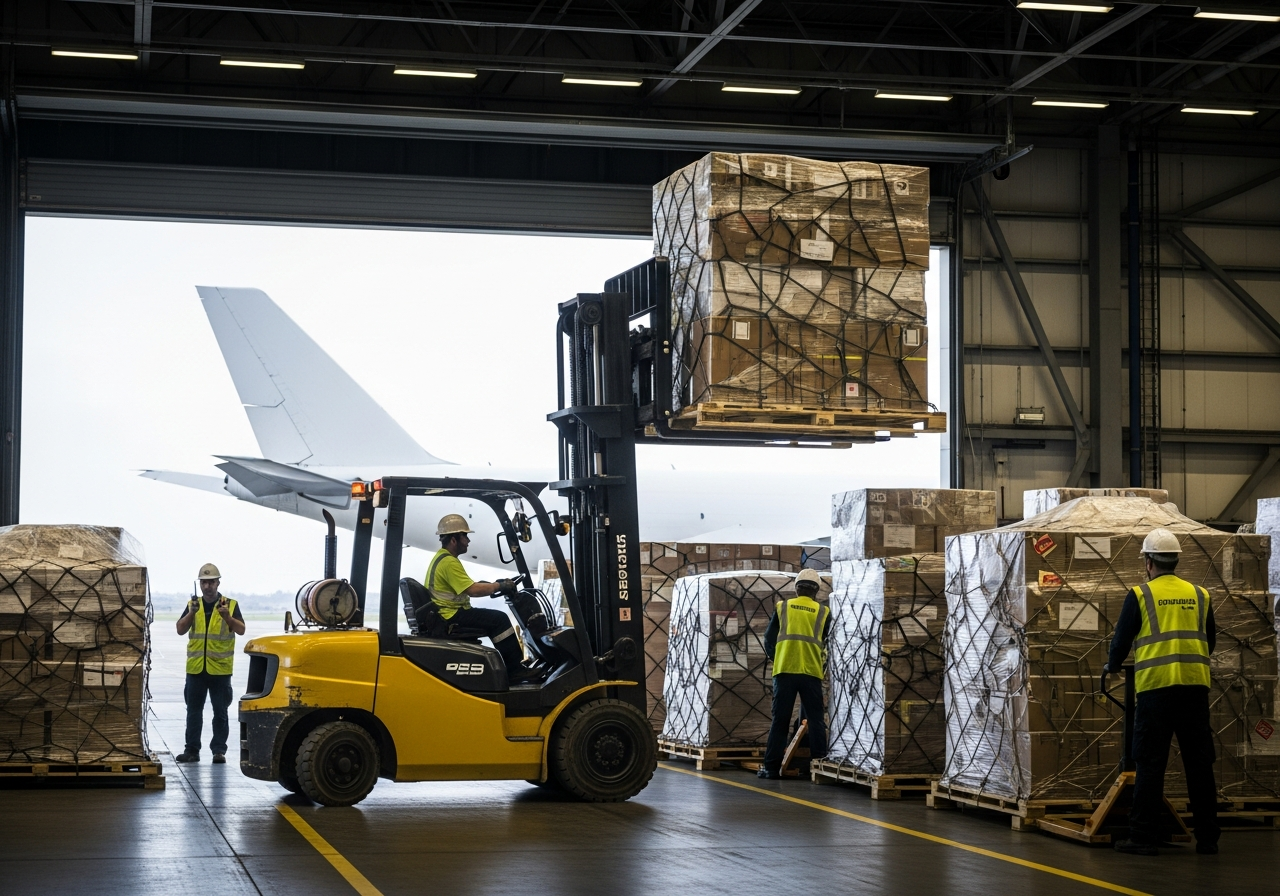
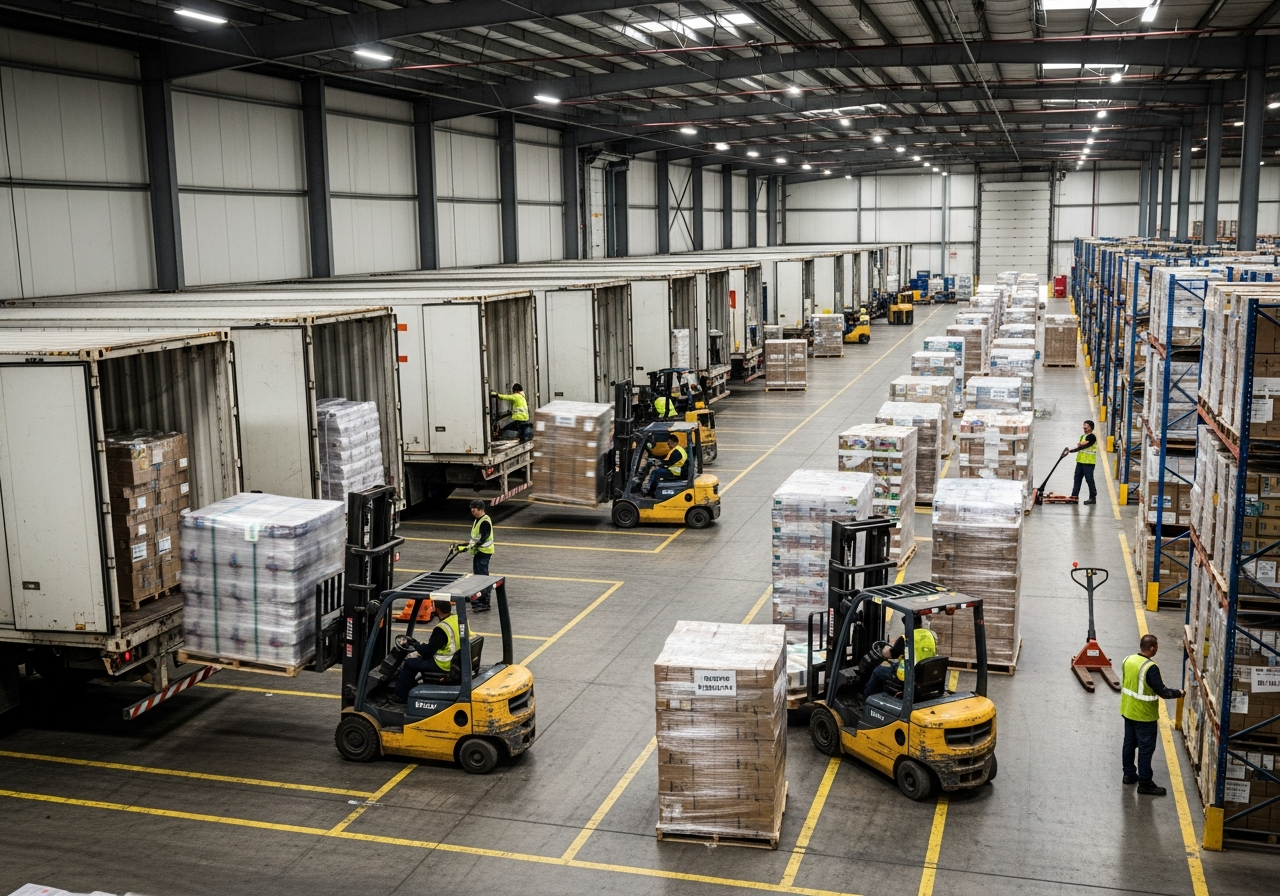
Separate port drayage, rail drayage, transload transfers, empty repositioning, yard moves, airport freight, and conventional delivery. Include container volume, equipment-provider relationships, chassis pools, maintenance controls, secure parking, and theft-prevention procedures.
For a Seattle, WA operation, the application should state where vehicles are actually garaged, every state or corridor served, maximum and typical radius, annual mileage, commodities, revenue, vehicle values, driver experience, prior coverage, and loss history. If the business is new, include relevant ownership, driving, safety, and industry experience instead of leaving the underwriter to infer it.