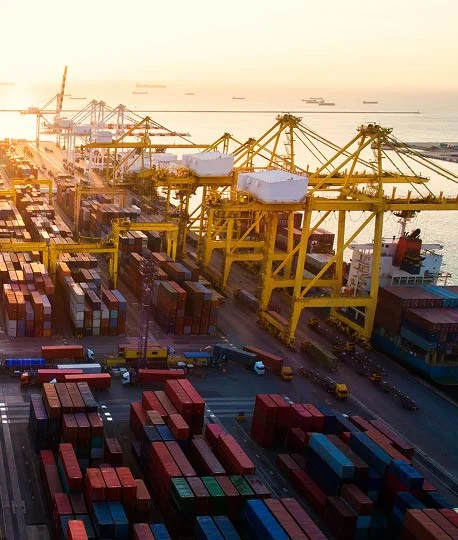










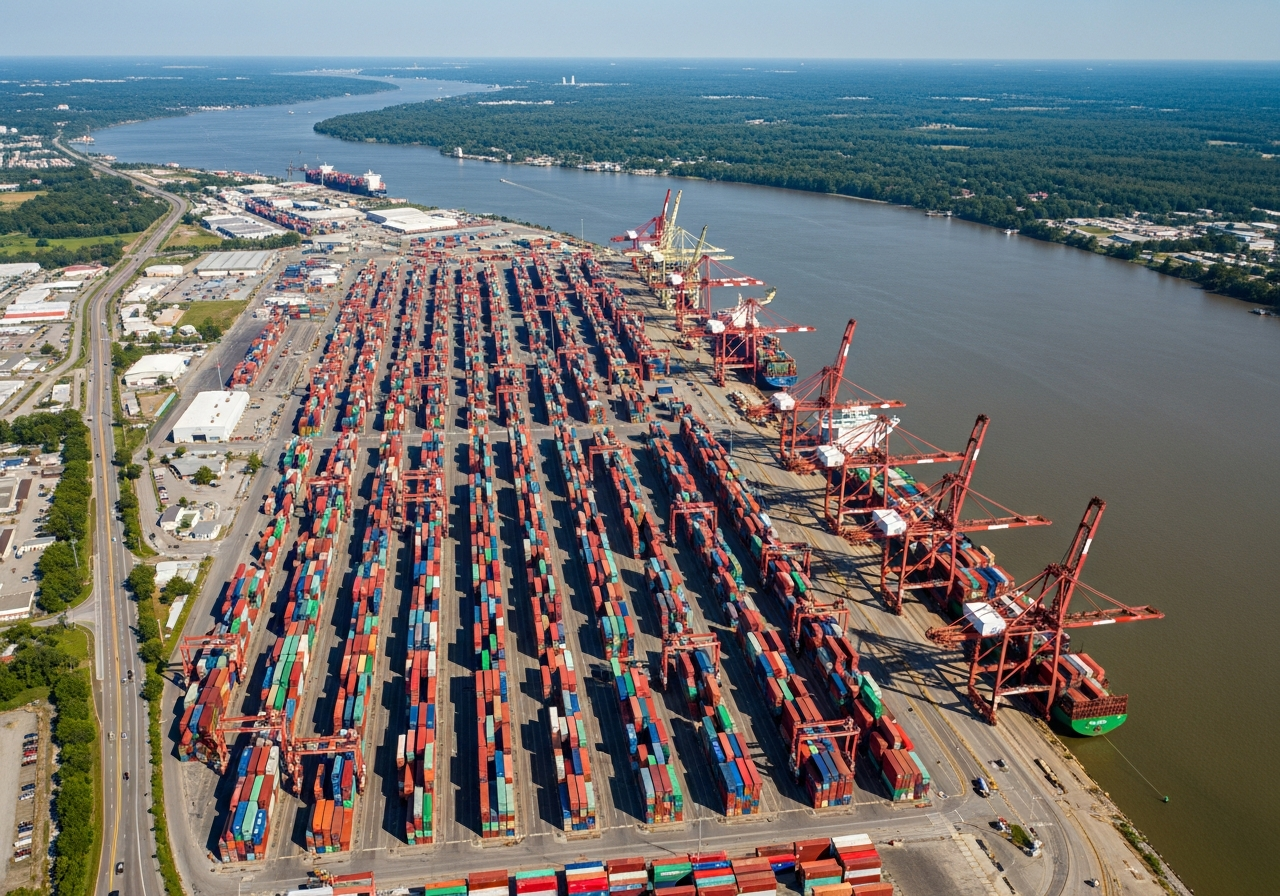
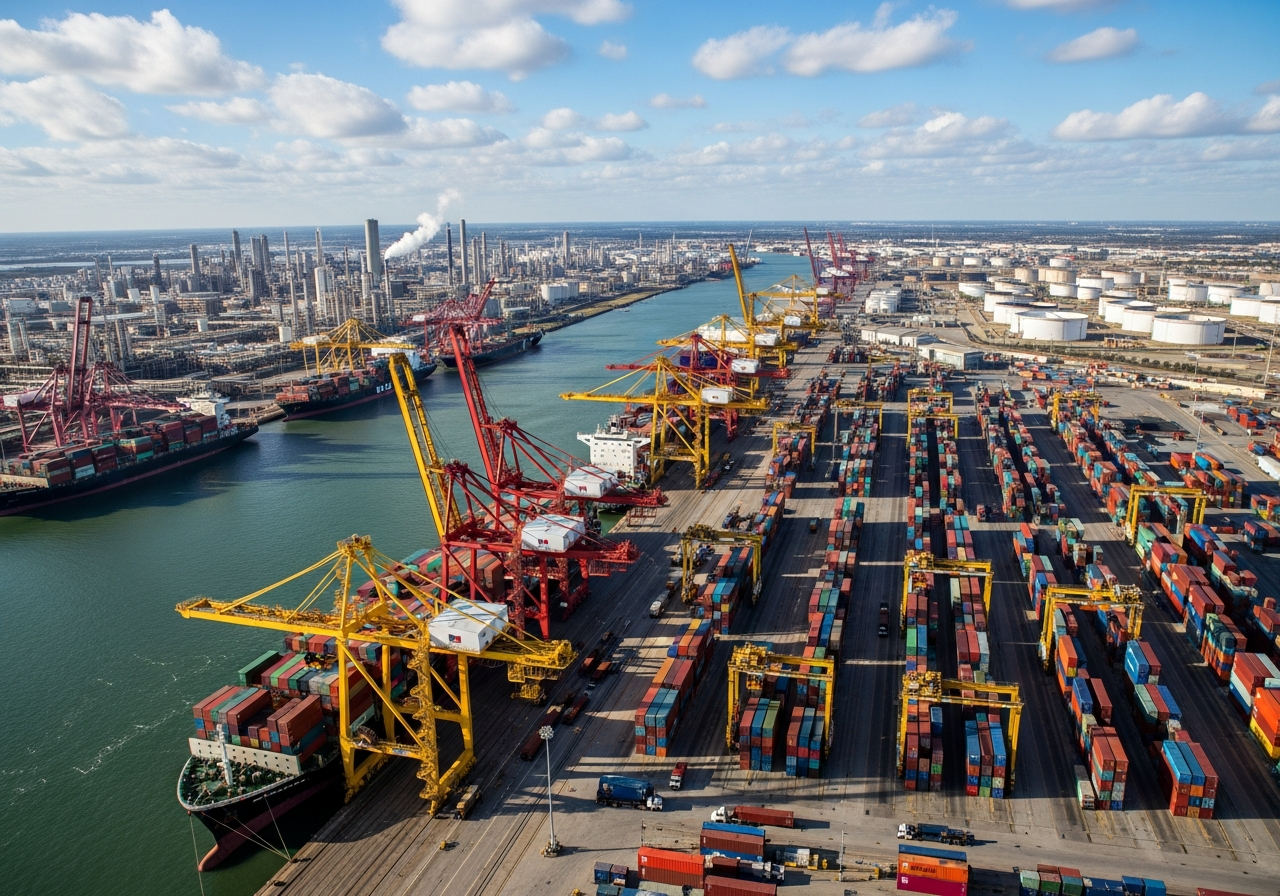
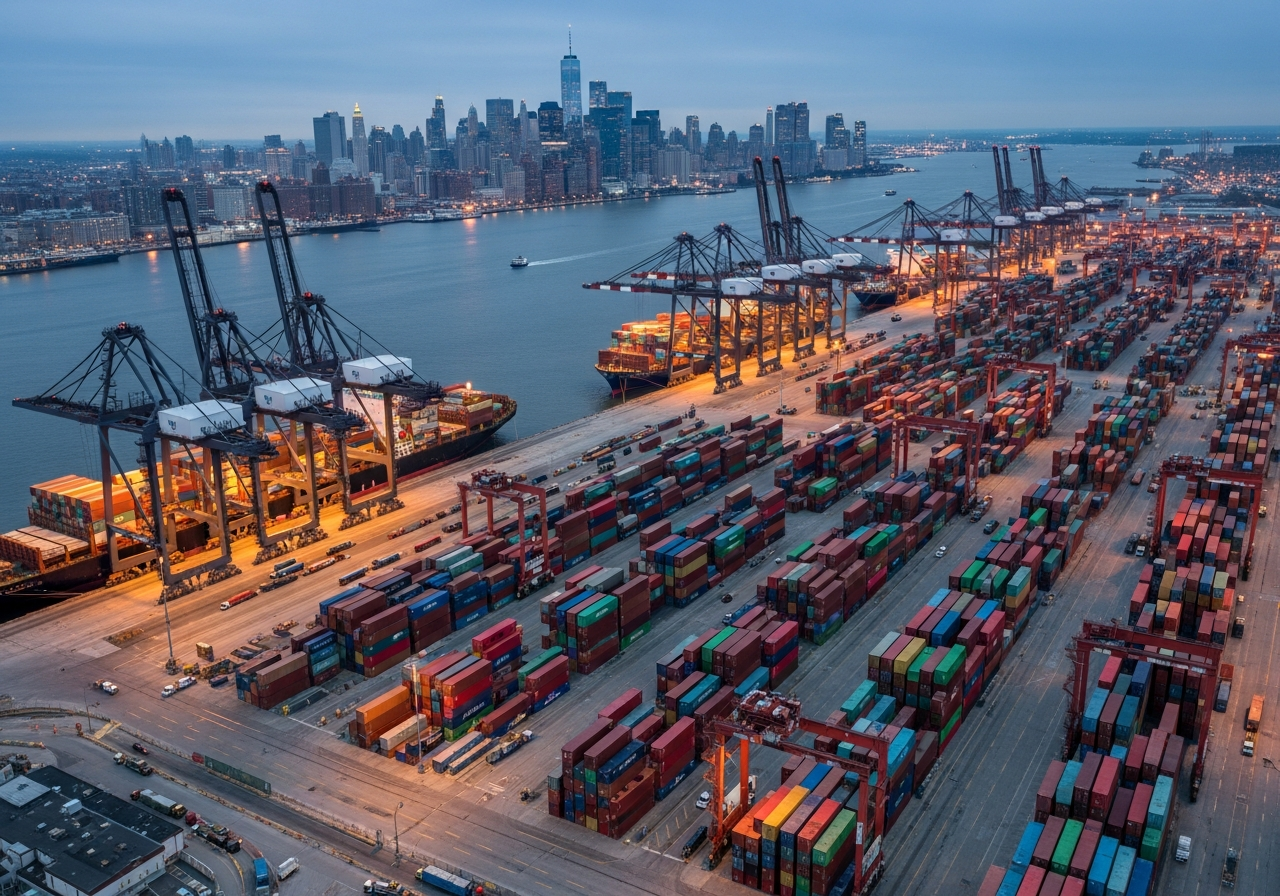
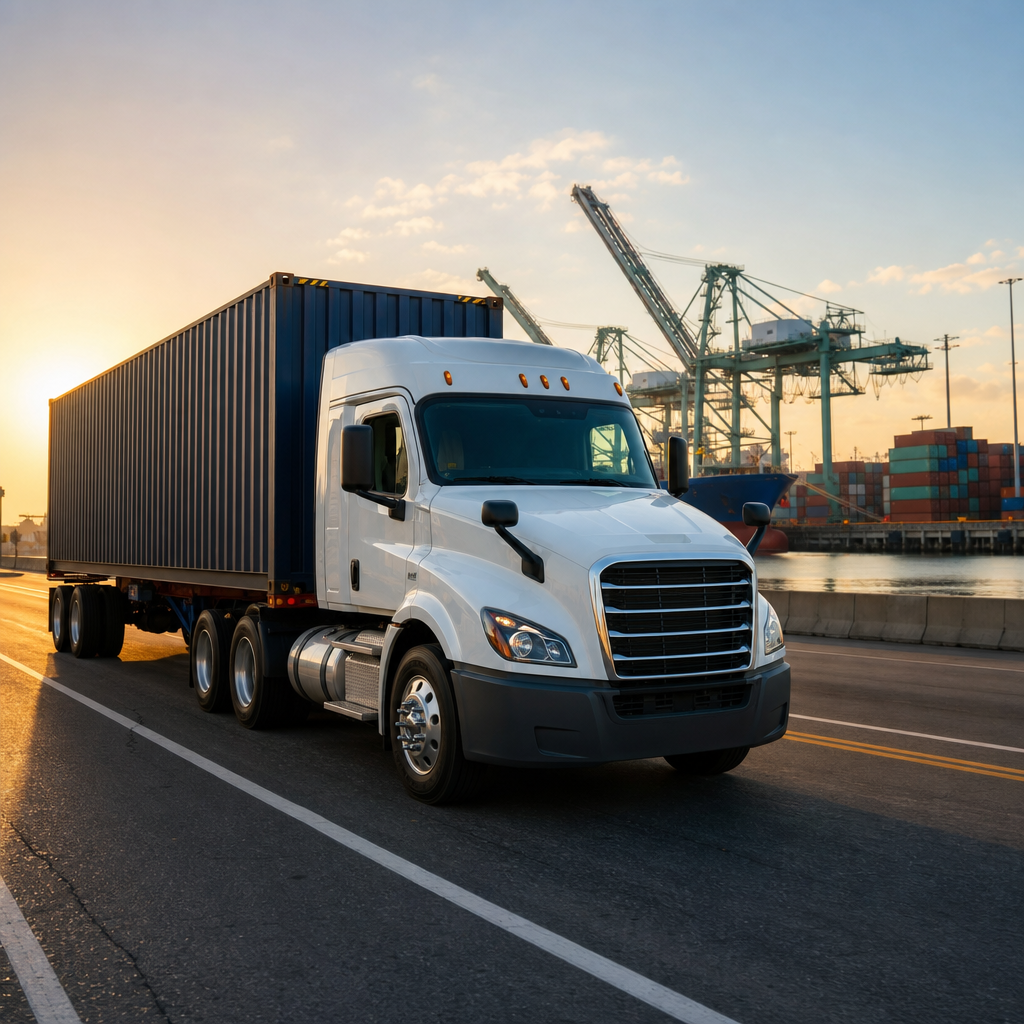
Aerial view of port terminal with container cranes at sunset
    UIIA-Registered Agency

    Port Trucking Insurance in Seattle, Washington

    UIIA-Compliant Coverage for Seattle Port & Marine Terminal Carriers

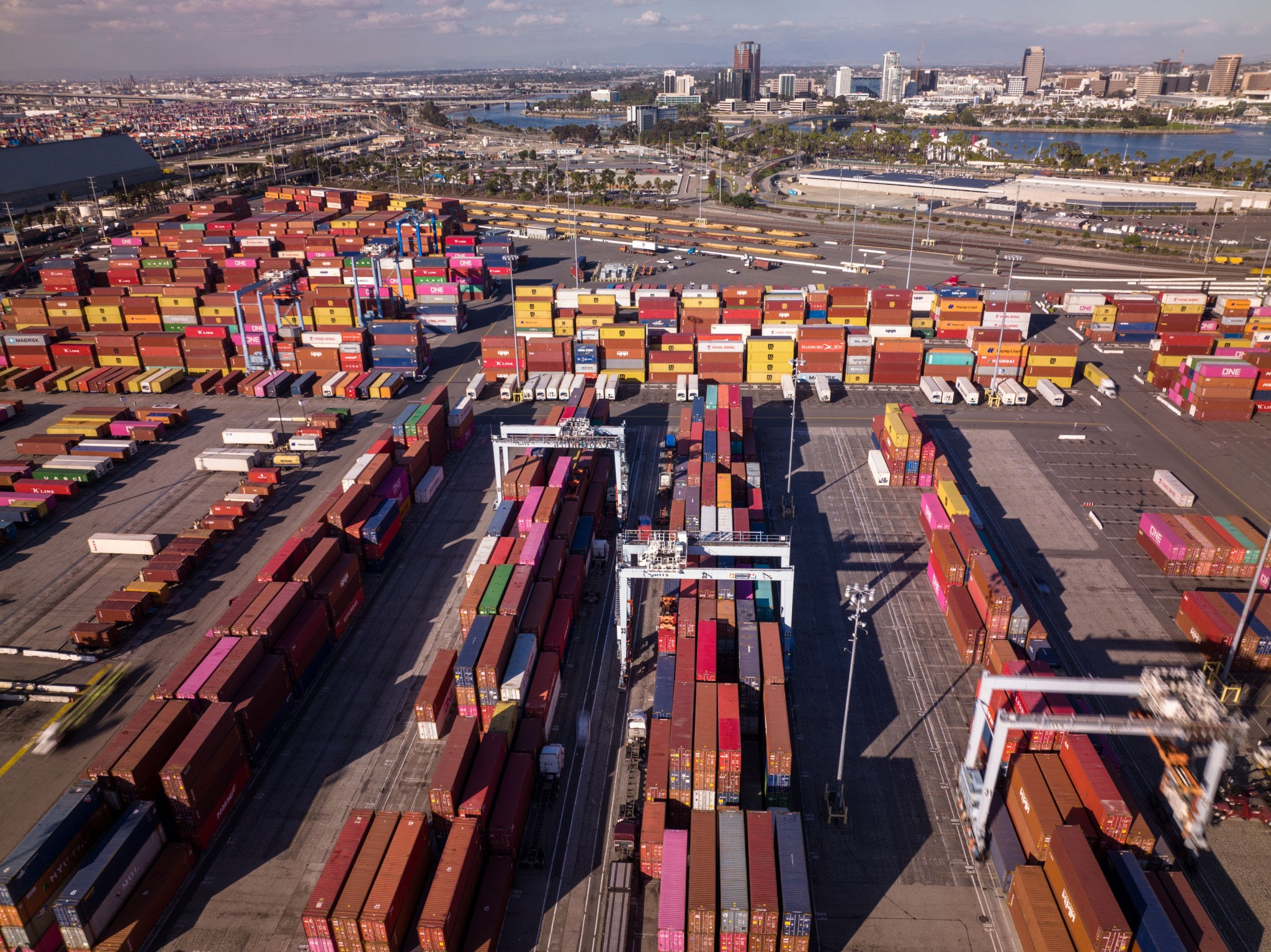
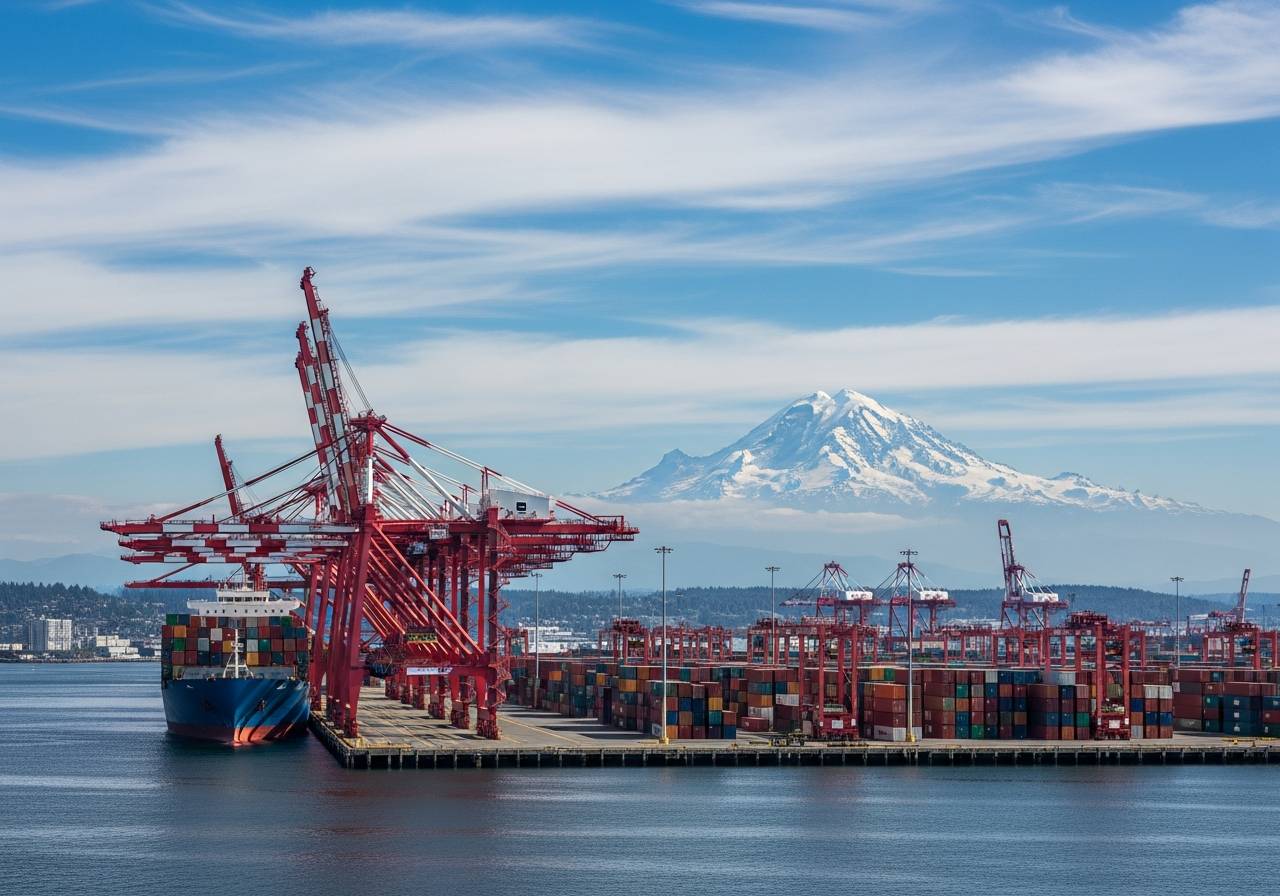
    Seattle's marine terminals handle millions of TEUs annually across the Port of Seattle's Elliott Bay complex. Drayage carriers move containers between Terminals 5, 18, 30, 46, and 91, intermodal rail facilities, and distribution centers across Washington and the Pacific Northwest. Weather variability, terminal gate schedules, and UIIA requirements create unique challenges that standard truck policies don't address.

    Same-Day Quotes Same-Day COIs UIIA Support Port Ready Nationwide

    Some of the insurance markets we work with

    Berkshire Hathaway Homestate Companies
    National Indemnity Company
    GEICO
    Lloyd's of London
    Everspan Group
    Berkley Small Business Solutions
    Northland Insurance
    Canal Insurance
    Applied Underwriters
    Crum & Forster
    IAT Insurance Group
    Carolina Casualty

    Carrier availability varies by state, operation type, fleet size, and underwriting requirements.

    Step 1 of 2 — Quick Info

    GET YOUR FREE QUOTE NOW

    No commitment required · Takes 2 minutes

    Your information is secure and never shared. We use it only to prepare your quote.

    No commitment required · Takes 2 minutes · By continuing, you consent to being contacted about your quote. Privacy Policy

    UIIA-Registered Agency
    Same-Day COI Issuance
    E&S Market Access
    All Major U.S. Ports
    25+ Years Experience

    What Is Port Trucking Insurance?

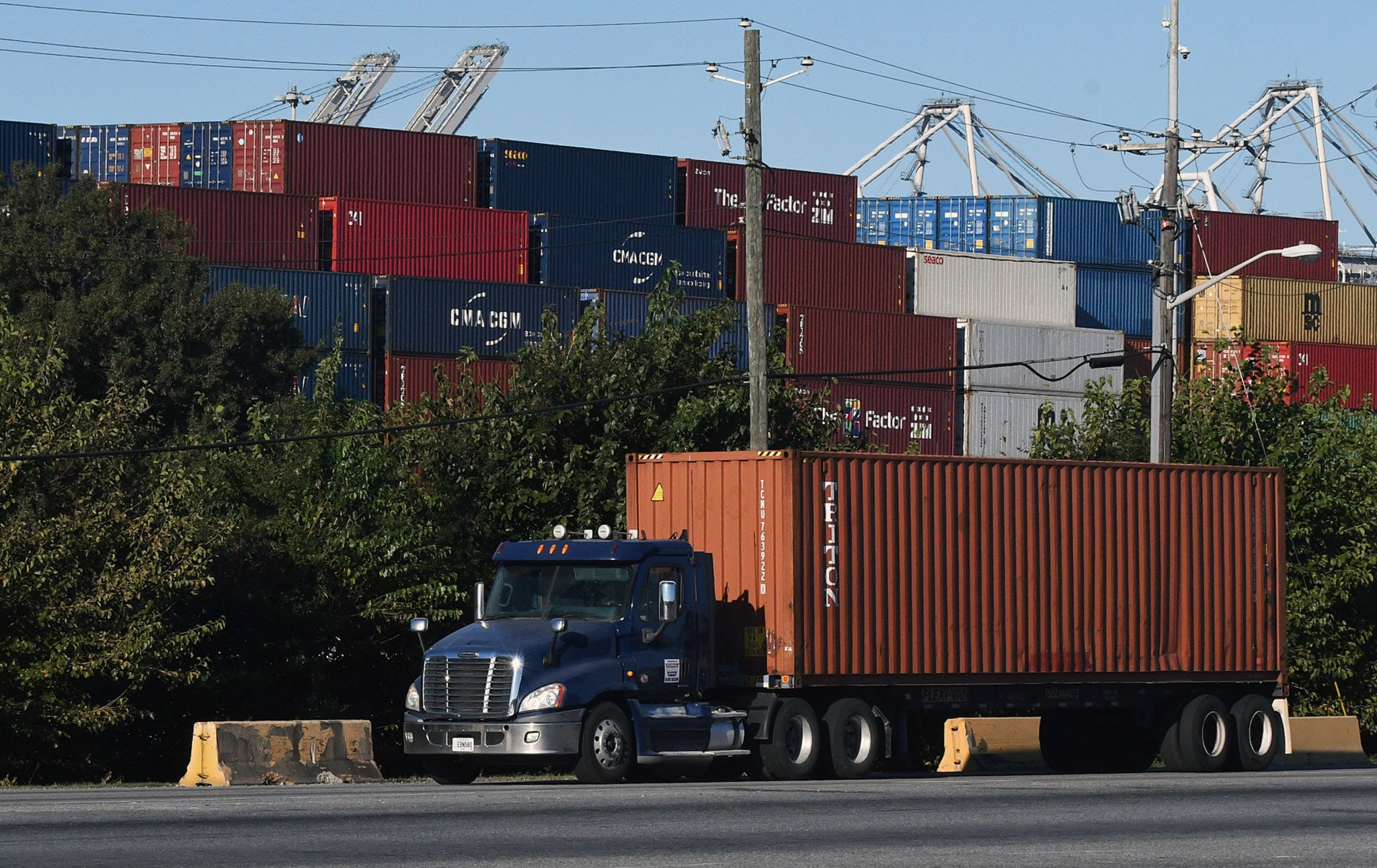
    Port trucking (also called drayage) involves moving shipping containers between marine terminals, rail yards, warehouses, and distribution centers. These operations require specialized commercial truck insurance and often UIIA-compliant coverage before entering many ports and terminals.

    Standard commercial auto policies don't cut it at marine terminals. You need coverage structured for equipment interchange agreements, non-owned chassis, TWIC-secured facilities, and the unique exposures of working in and around active container yards.

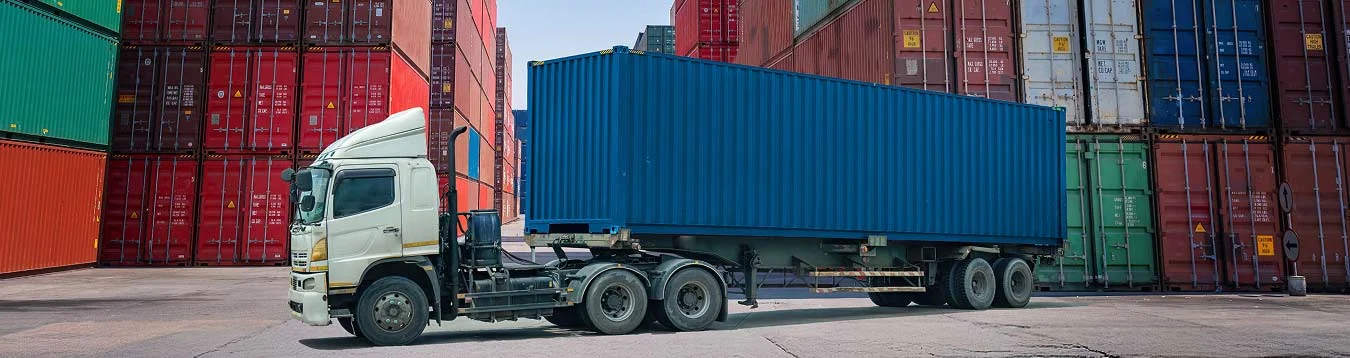
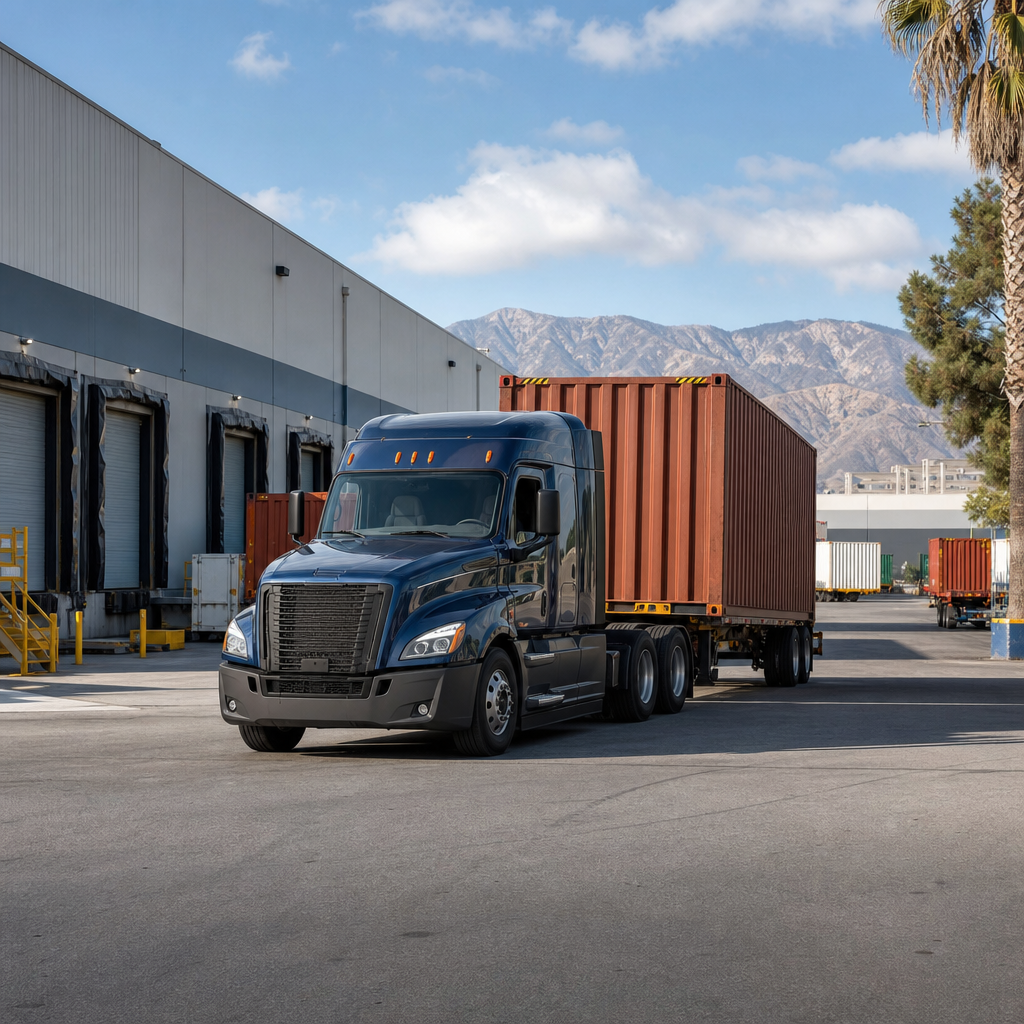
    Container truck at port terminal between stacked shipping containers

    Who We Insure

    If you move containers between ports, rail yards, and warehouses — we write your insurance.

    Owner operator at port terminal

    Owner Operators

    • Solo port drayage
    • UIIA-compliant policy
    • Own authority or leased
    Small fleet at port terminal

    Port Drayage Carriers

    • UIIA-registered fleets
    • Multi-terminal coverage
    • Same-day COI filing
    Container yard aerial view

    Container Haulers

    • Ocean container moves
    • Rail-to-port lanes
    • Chassis interchange
    Day cab container truck near port

    Small Fleets (2–10 trucks)

    • Fleet auto programs
    • Multi-driver coverage
    • Port & rail ramp access
    Rail Yard Operators
    Warehouse Delivery Ops
    Chassis Operators
    Local Port Trucking Companies

    Coverages for Port Trucking

    We build full-stack port drayage programs — not a basic truck policy with a checkbox.

    Auto Liability

    Usually $1,000,000 CSL or higher

    Protects against bodily injury and property damage while operating your truck at ports and on freight corridors.

    Motor Truck Cargo

    Typically $100,000 or more

    Protects container contents while in your care — port-to-warehouse, rail-to-port, and last-mile delivery.

    Trailer Interchange

    Often $25,000–$50,000 minimum

    Covers non-owned trailers and chassis pulled under interchange agreements at marine terminals.

    Physical Damage

    Actual cash value or stated amount

    Protects your truck against collision, theft, vandalism, fire, and other covered losses in high-traffic terminal environments.

    General Liability

    $1M / $2M

    Required by many ports and equipment providers. Covers operations and premises exposures off the road.

    Workers Compensation

    Statutory limits

    Required when applicable for employees. Occupational Accident available for independent owner-operators.

    Port Access Checklist

    What You Need to Pull Containers

    Before you can enter a marine terminal and haul containers, you need all of these in place.

    Active USDOT Number
    Active MC Authority
    SCAC Code
    UIIA Registration
    Auto Liability ($1M CSL)
    General Liability ($1M/$2M)
    Trailer Interchange Coverage
    Cargo Coverage
    Additional Insureds on COI
    Same-Day COI Capability

    UIIA Insurance Requirements

    Auto Liability$1,000,000 CSL

    Must be Any Auto, Scheduled & Hired, or All Owned & Hired.

    General Liability$1M / $2M

    $1M per occurrence, $2M aggregate. AI endorsement required by most EPs.

    Trailer InterchangeVaries by EP

    Typically $25K–$50K. Covers non-owned chassis in your care, including comp & collision.

    Motor Truck CargoVaries by EP

    Typically $100K minimum. Some EPs require up to $500K.

    Workers CompIf applicable

    Required by state law and many equipment providers.

    Additional InsuredPer EP rules

    Equipment providers must be listed exactly per their lease rules.

    Auto policies should be written as Any Auto, Scheduled and Hired, or All Owned and Hired to satisfy UIIA EP requirements.

    Why TruxSurance?

    TruxSurance

    • Port trucking specialists — we do this daily
    • Direct electronic UIIA filing assistance
    • Same-day automated COI issuance
    • Specialist trailer interchange knowledge
    • Access to multiple transportation niche markets
    • Dedicated logistics insurance brokers

    Typical Agency

    • ✗Limited drayage experience
    • ✗No UIIA knowledge or filing capability
    • ✗Slower certificate updates — days or weeks
    • ✗Limited trucking carrier options
    • ✗May decline or restrict port exposure
    • ✗General insurance — not transportation focused
    Seattle marine terminal drayage coverage
    Elliott Bay and Puget Sound exposure
    Same-day UIIA COI filings
    Pacific Northwest weather and terrain coverage

    Terminals & Facilities

    • Terminal 5 (T5) — SSA Marine
    • Terminal 18 (T18) — SSA Marine
    • Terminal 30 (T30)
    • Terminal 46 (T46) — SSA Marine
    • Terminal 91 (T91) — Cruise and cargo

    Freight Corridors

    • SR-99 / SR-519 Terminal access
    • I-5 corridor to Tacoma and Portland
    • I-90 / SR-2 to Eastern Washington
    • Port of Seattle Spokane Street Viaduct
    TWIC Required at This Port

    TSA TWIC credentials required for unescorted access. Our policies use TWIC-compatible language.

    Nearby Port Markets

    Frequently Asked Questions

    Product and local operating guide

    Building a complete Seattle, WA port trucking insurance submission

    Seattle's marine terminals handle millions of TEUs annually across the Port of Seattle's Elliott Bay complex. Drayage carriers move containers between Terminals 5, 18, 30, 46, and 91, intermodal rail facilities, and distribution centers across Washington and the Pacific Northwest. Weather variability, terminal gate schedules, and UIIA requirements create unique challenges that standard truck policies don't address.

    A port trucking submission should identify marine terminals, gate activity, appointment practices, TWIC or other access credentials, container and chassis use, cargo values, yard locations, overnight parking, driver experience, customer contracts, and any rail or regional movements.

    Explain the daily operating cycle from terminal pickup through chassis inspection, securement, warehouse or transload delivery, empty return, and parking. Terminal congestion, yard maneuvering, theft controls, demurrage pressure, and equipment custody can materially change the risk.

    For a Seattle, WA operation, the application should state where vehicles are actually garaged, every state or corridor served, maximum and typical radius, annual mileage, commodities, revenue, vehicle values, driver experience, prior coverage, and loss history. If the business is new, include relevant ownership, driving, safety, and industry experience instead of leaving the underwriter to infer it.
    Coverage structure

    Coverage analysis may include auto liability, motor truck cargo, physical damage, trailer interchange or chassis coverage, truckers general liability, and excess liability. The correct structure depends on equipment ownership, custody, contracts, commodities, and requested limits.

    Deductibles, sublimits, scheduled equipment, covered causes of loss, exclusions, territory, and valuation provisions should be reviewed alongside the premium. A lower indication is not equivalent if it removes a required form or leaves a material exposure uninsured.

    Contracts, filings and certificates

    Terminal, steamship-line, equipment-provider, broker, and customer requirements should be collected before quoting. TWIC or terminal access does not replace insurance review, and a certificate cannot change the policy or satisfy a requirement the policy does not support.

    Provide the current written requirement rather than a summary from memory. Review named insured, certificate holder, additional-insured wording, waiver requests, primary and noncontributory language, notice provisions, filings, and effective dates before accepting work.

    Claims-ready operating controls

    A strong insurance file also explains how the business prevents and responds to loss. Document driver qualification, onboarding, vehicle inspections, preventive maintenance, cargo securement, dash cameras or telematics, accident reporting, post-loss testing, cargo documentation, and escalation responsibilities.

    Keep schedules and operations current after binding. Adding vehicles, drivers, commodities, territories, contracts, equipment providers, or a different type of hauling can require carrier approval or a policy change. Report changes before the new exposure begins whenever possible.

    Original Truxsurance editorial imagery

    How the operation connects from equipment to delivery

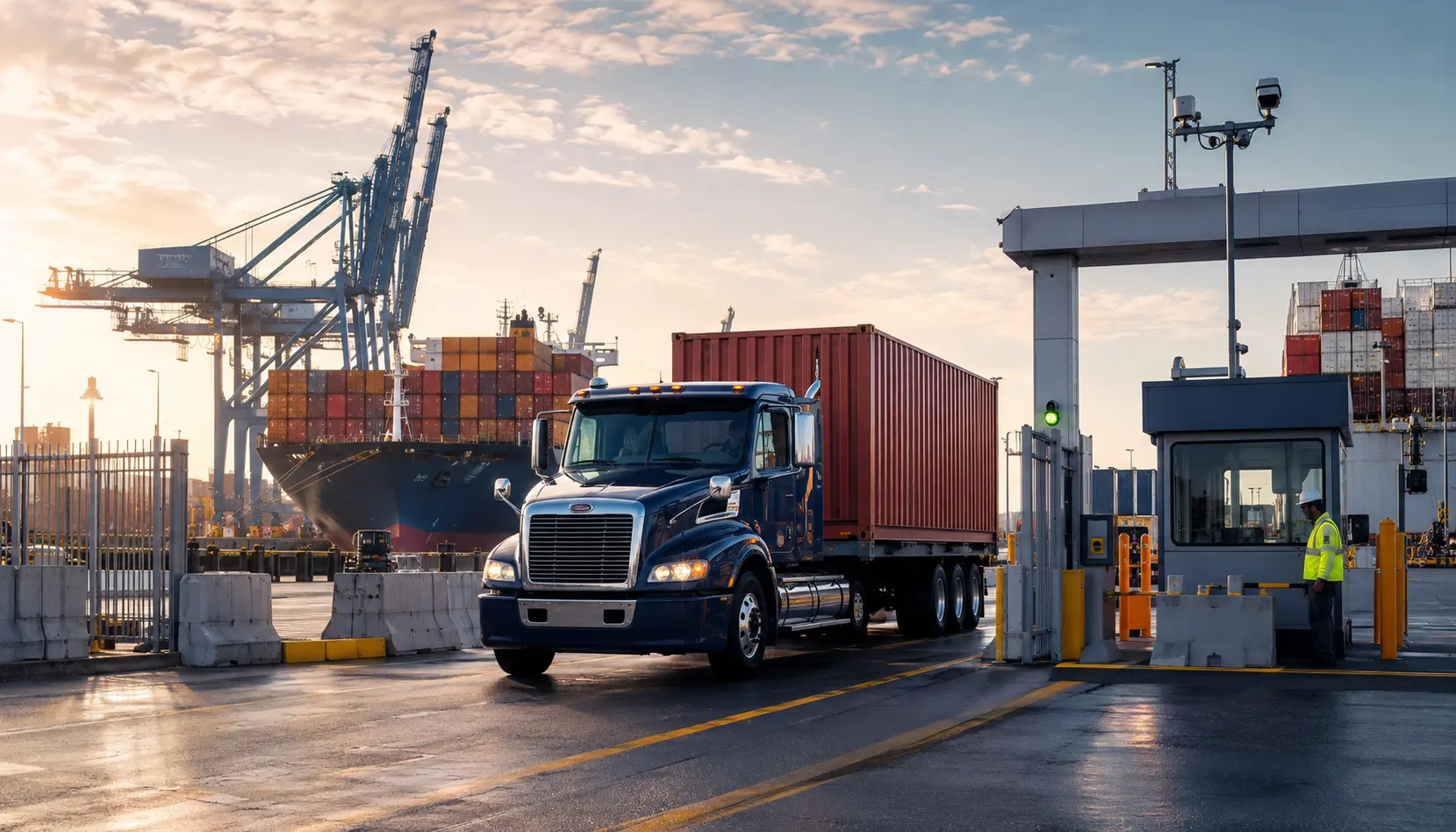
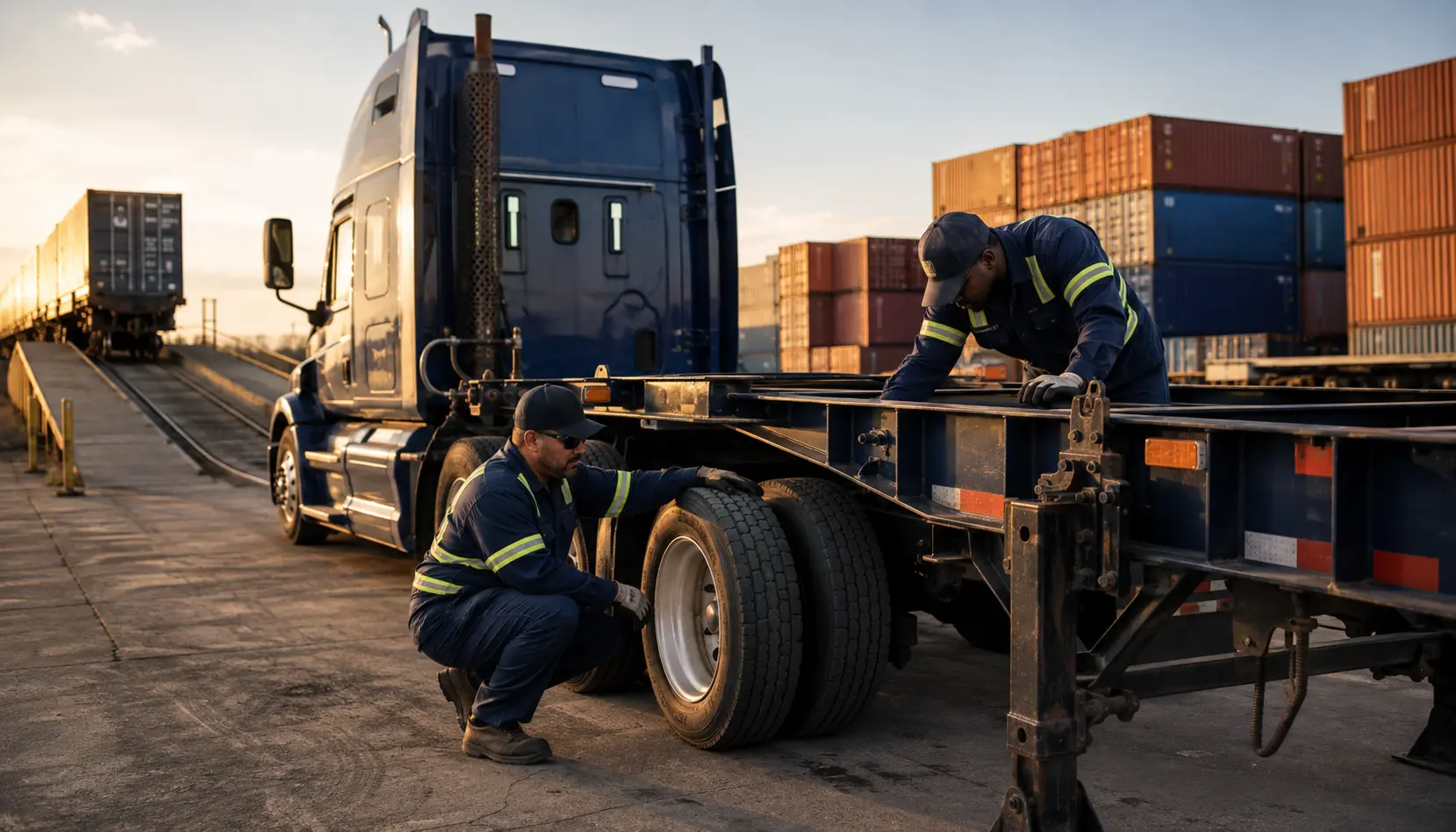
    These original images illustrate the operating details an application should describe. They are representative—not photographs of a specific insured, terminal, railroad, port, or facility in Seattle, WA.

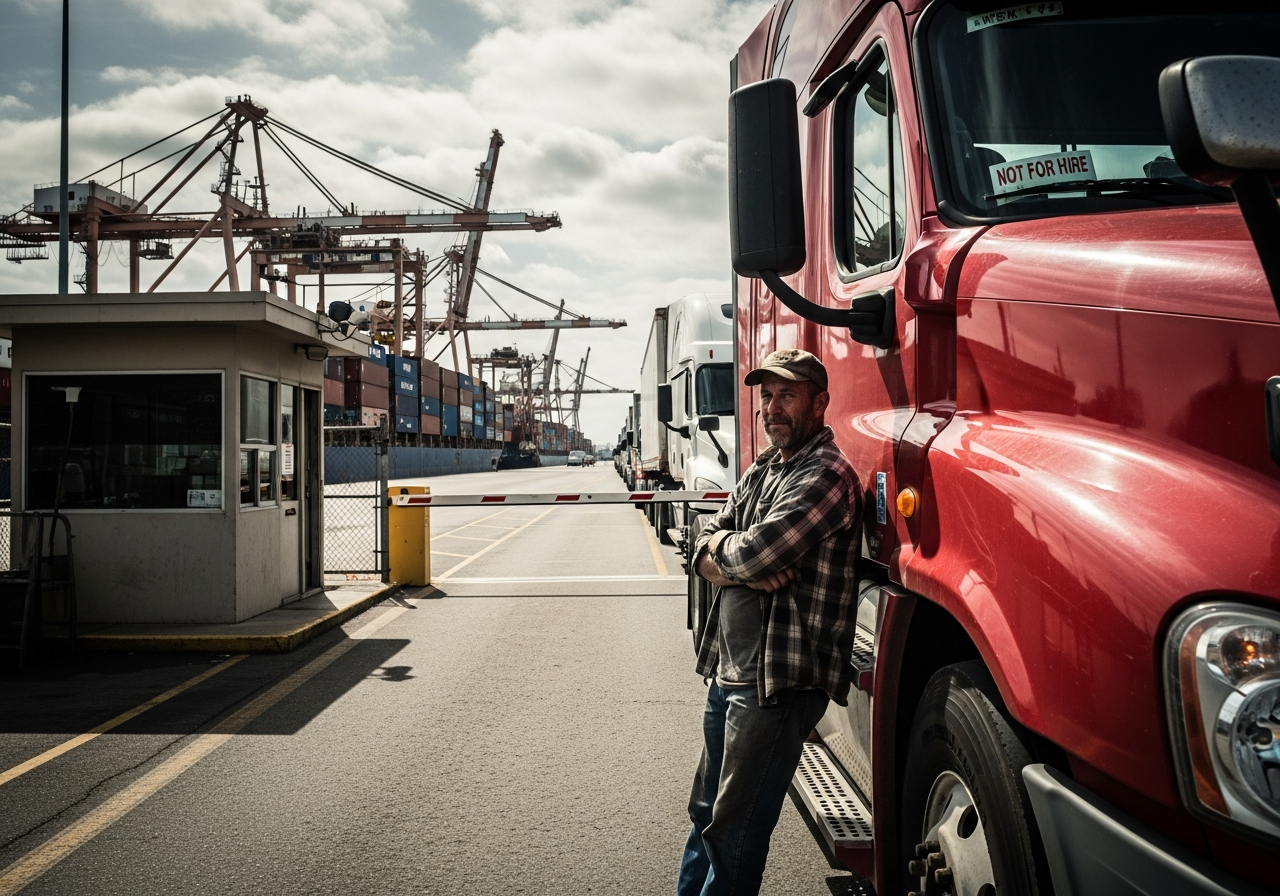
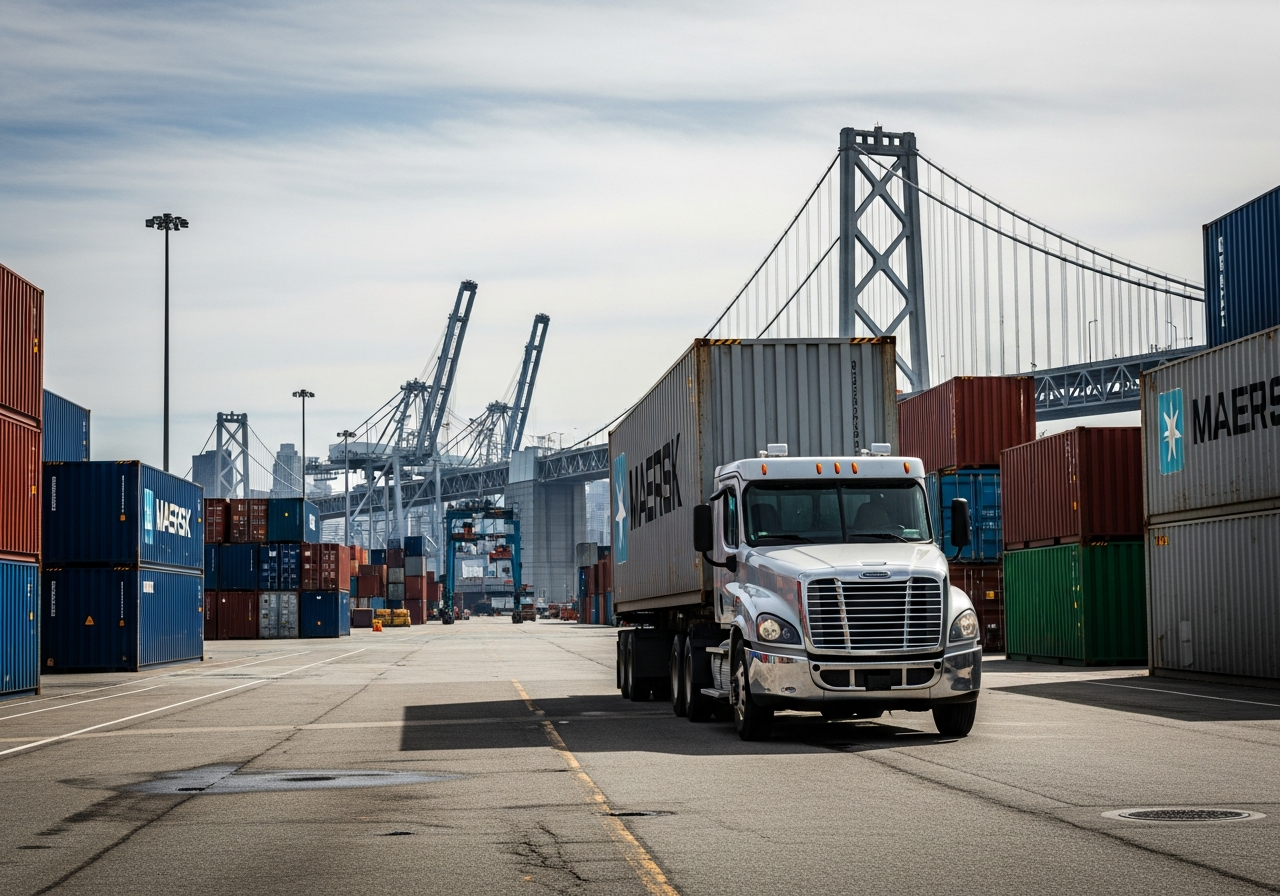
    Day-cab container truck entering a marine terminal gate

    Marine-terminal access

    Terminal access, credentials, gate activity, appointments, container volume and contract requirements belong in the operating profile.

    Drayage team inspecting a container chassis and tires

    Chassis custody and inspection

    Interchange agreements, non-owned equipment values, inspection practices, maintenance and securement affect the coverage discussion.

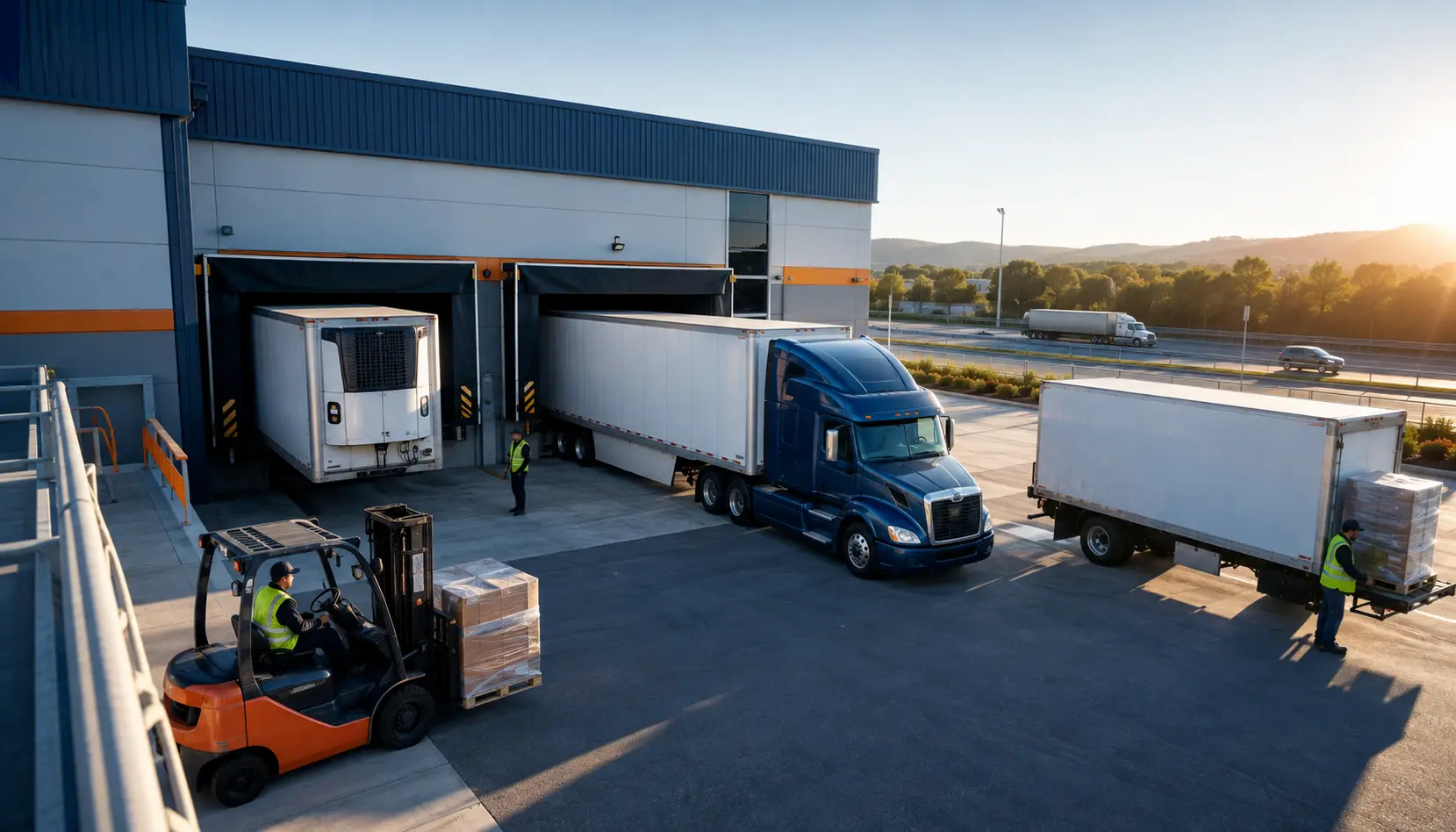
    Trucks and workers handling freight at a distribution warehouse

    Warehouse and delivery exposure

    Cargo handling, loading, refrigeration, delivery radius, customer mix and overnight parking complete the end-to-end risk picture.

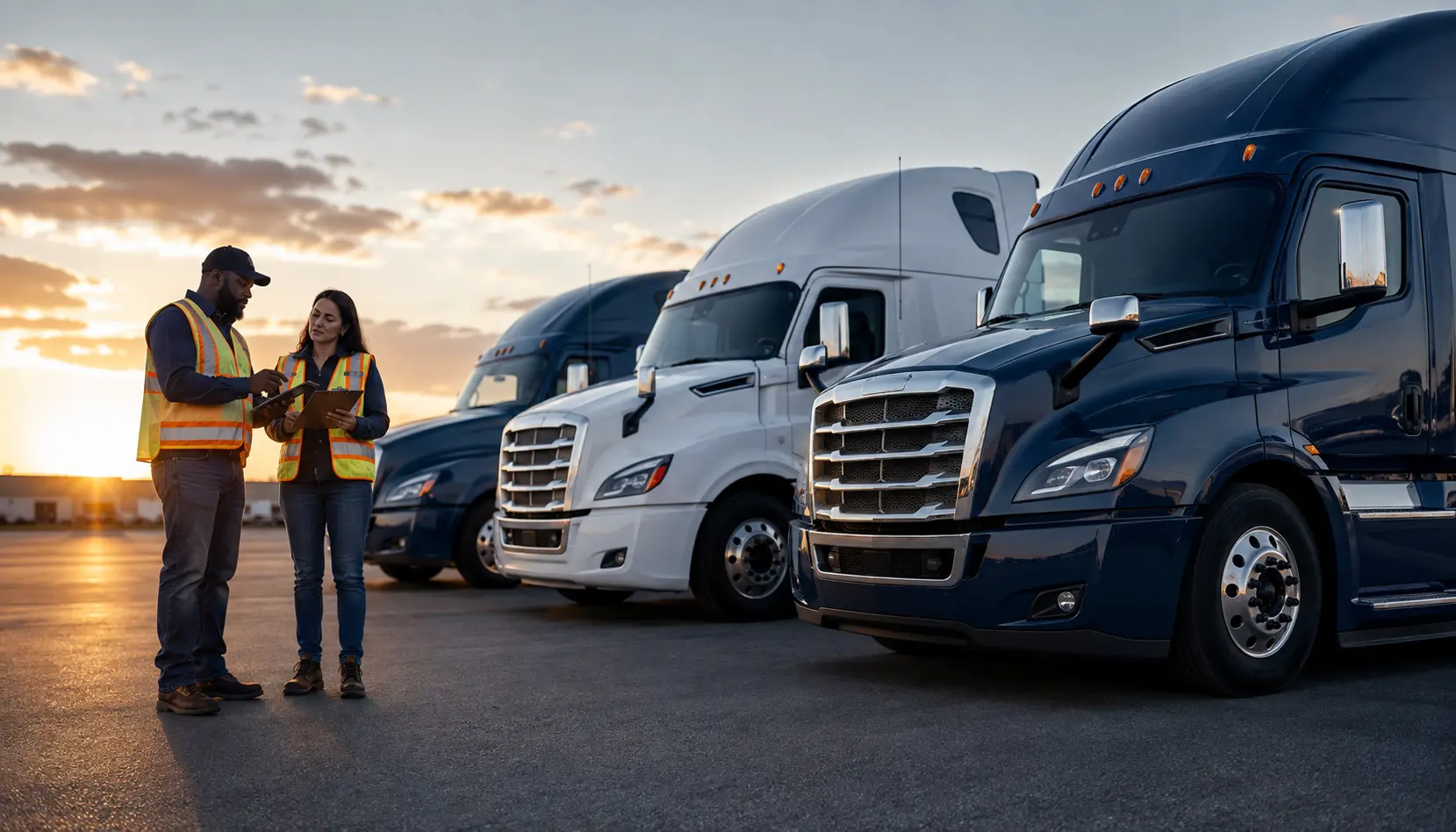
    Fleet owner and safety manager inspecting commercial tractors

    Fleet, driver and equipment review

    A useful submission ties every scheduled unit and driver to the actual routes, cargo, garaging, safety controls and business use.

    Quote comparison and renewal discipline

    Compare proposals on the same exposure basis and verify the named insured, vehicles, drivers, limits, deductibles, forms, endorsements, filings, payment terms, exclusions, and carrier conditions. Before renewal, reconcile schedules and operations, request loss runs early, document safety improvements, and address open claims or compliance issues.

    Truxsurance can help organize the insurance submission and review available market terms. Final eligibility, pricing, forms, coverage, filings, and timing remain subject to complete information, carrier underwriting, binding, and the issued policy.

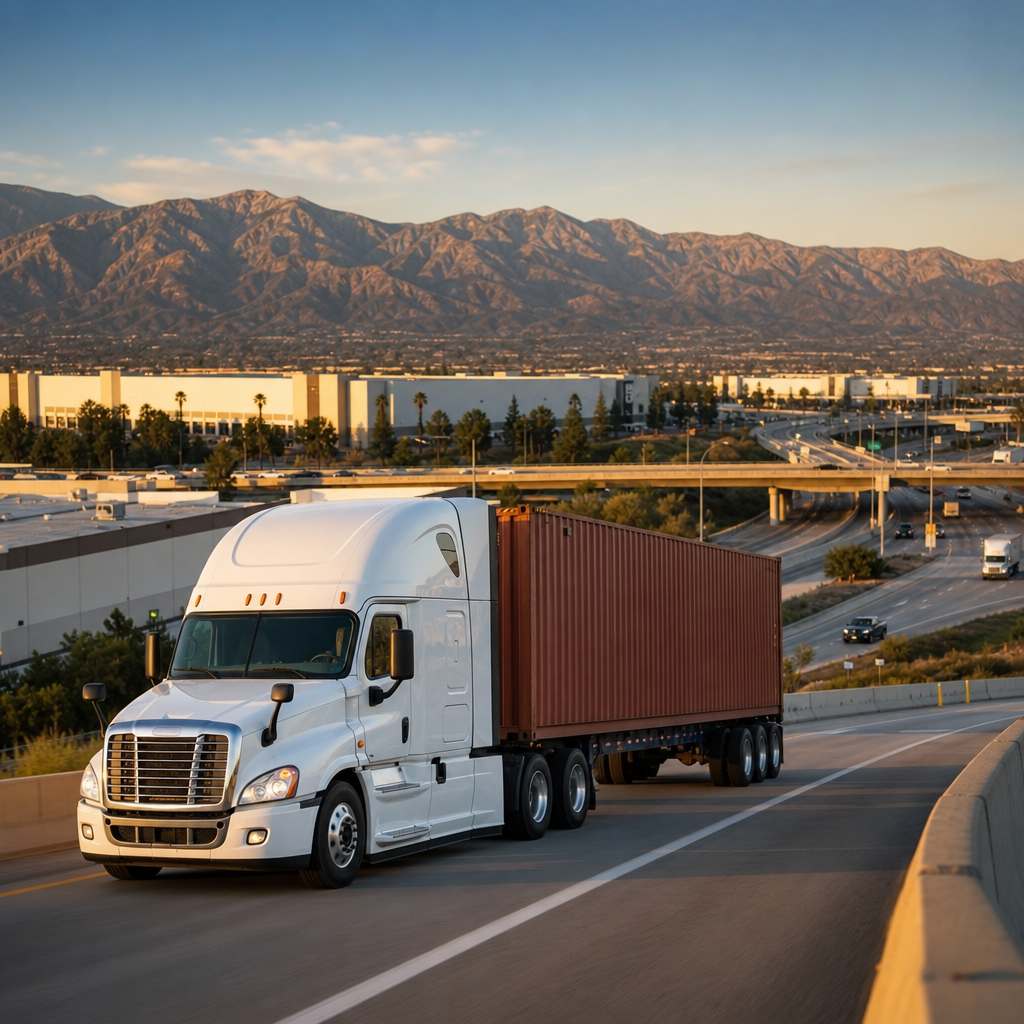
    Container truck driving near port terminal

    Get Port Trucking Coverage for Seattle

    Same-day quotes. Same-day COIs. UIIA-compliant coverage from specialists who understand your operation.

    Same-day indications available. Coverage subject to underwriting.

    Call Now