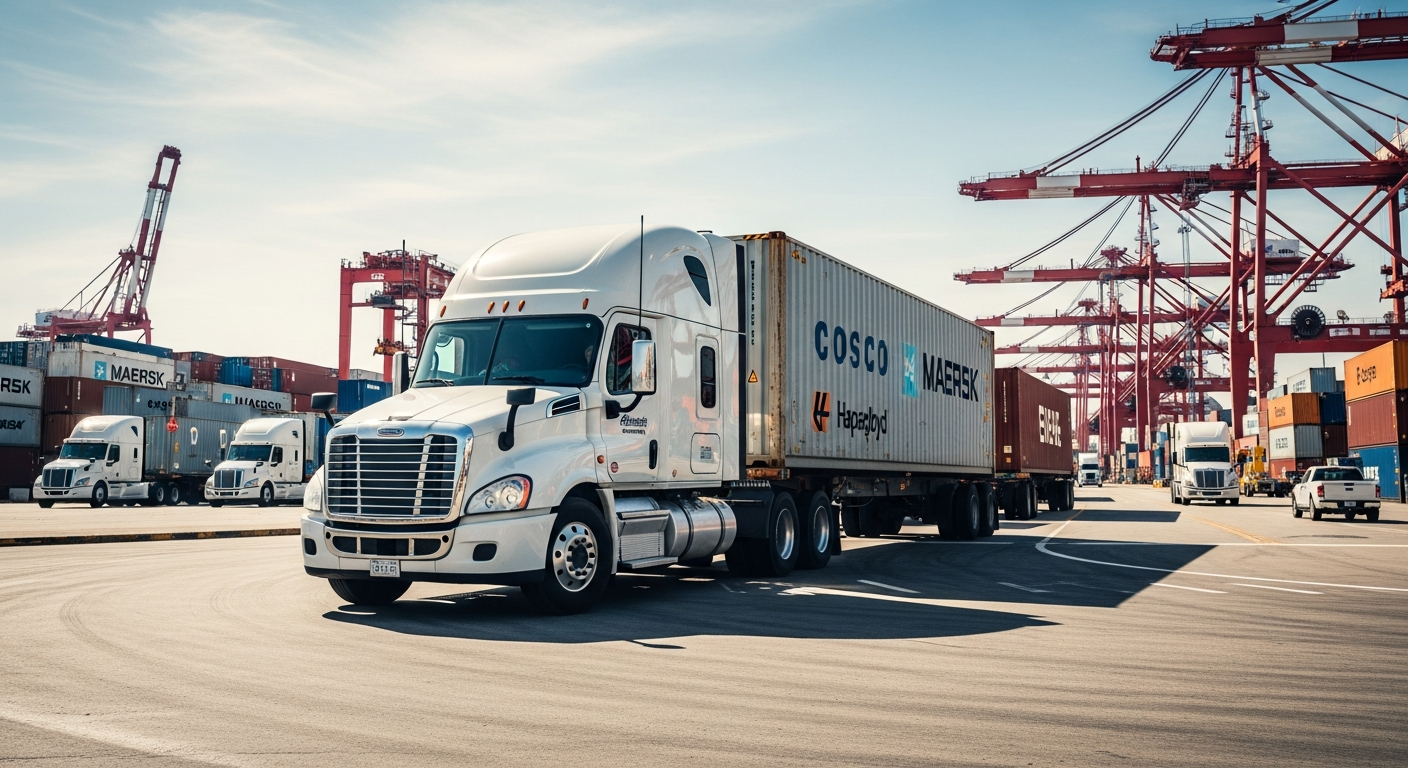





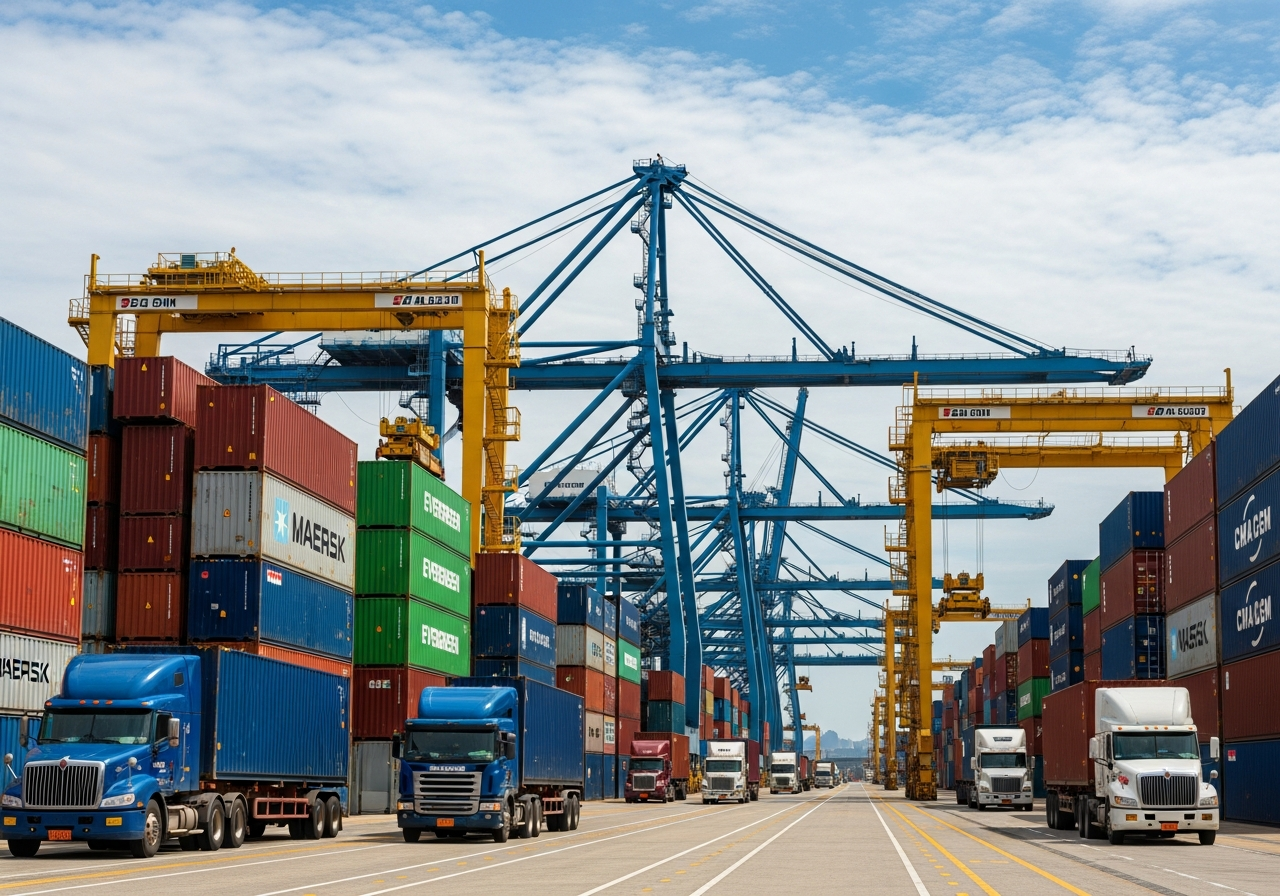
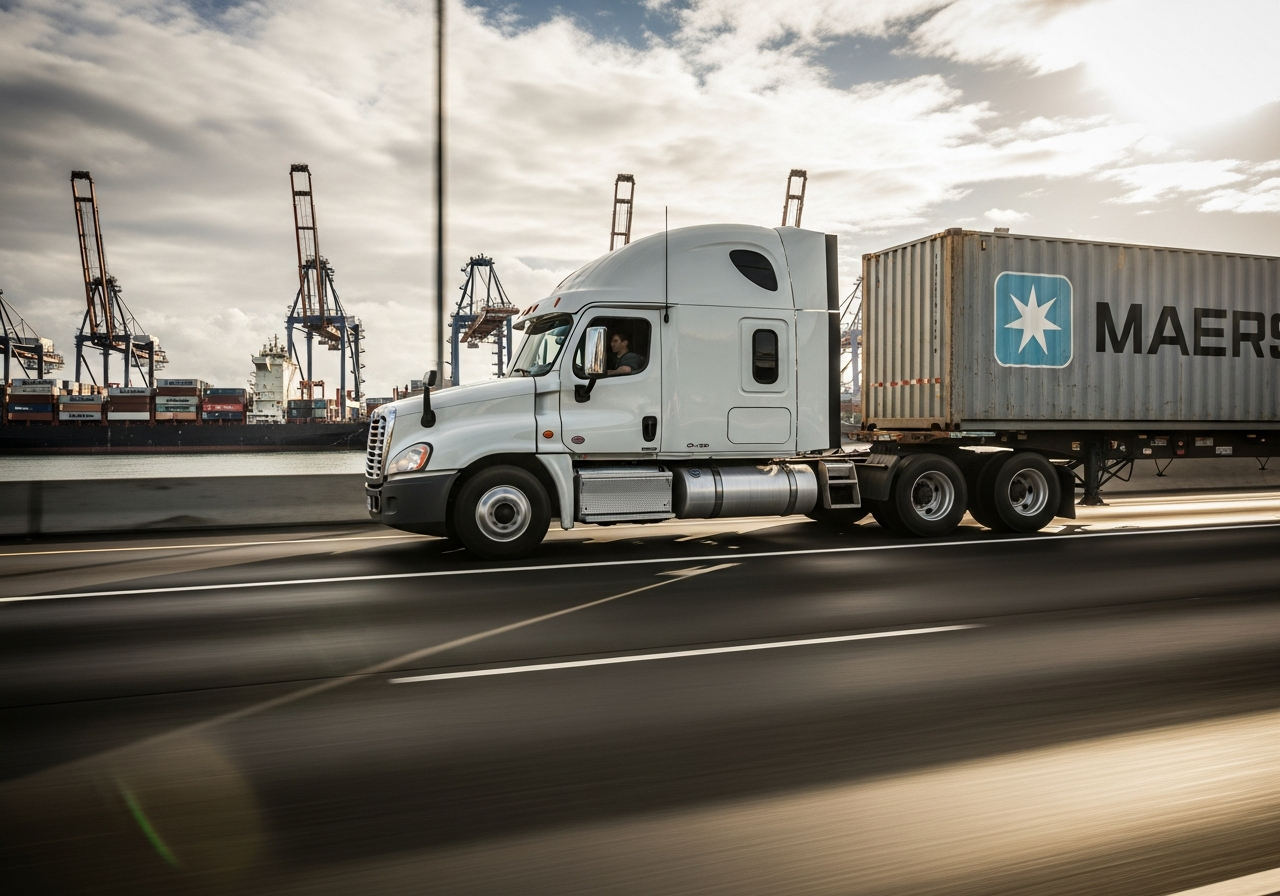
Intermodal container truck at port terminal
    UIIA-Registered Agency

    Intermodal Insurance in Sparks, NV

    UIIA-Compliant Coverage for Container & Chassis Carriers

    Sparks is the freight and logistics hub of Northern Nevada — positioned on the I-80 transcontinental corridor at the foot of the Sierra Nevada, with Union Pacific's Sparks Intermodal Terminal providing direct rail intermodal service to the Reno-Sparks metro. The Tahoe-Reno Industrial Center (TRIC) east of Sparks — home to Tesla Gigafactory Nevada and more than 100 major distribution, manufacturing, and e-commerce operators — has made the Reno-Sparks market one of the fastest-growing inland logistics regions in the western United States. Carriers here move containers arriving from the Port of Oakland on I-80, handle rail pickup-and-delivery at the UP Sparks Intermodal Terminal, and serve Northern Nevada and Mountain West regional customers on I-80 east toward Salt Lake City and I-580 south toward Las Vegas. The Sierra Nevada mountain corridor on I-80 — including Donner Pass — introduces significant winter weather exposure that affects both operations and underwriting.

    Same-Day Quotes Same-Day COIs UIIA Support Nationwide

    Same-day UIIA filings.

    Some of the insurance markets we work with

    Berkshire Hathaway Homestate Companies
    National Indemnity Company
    GEICO
    Lloyd's of London
    Everspan Group
    Berkley Small Business Solutions
    Northland Insurance
    Canal Insurance
    Applied Underwriters
    Crum & Forster
    IAT Insurance Group
    Carolina Casualty

    Carrier availability varies by state, operation type, fleet size, and underwriting requirements.

    Step 1 of 2 — Quick Info

    GET YOUR FREE QUOTE NOW

    No commitment required · Takes 2 minutes

    Your information is secure and never shared. We use it only to prepare your quote.

    No commitment required · Takes 2 minutes · By continuing, you consent to being contacted about your quote. Privacy Policy

    UIIA-Registered Agency
    Same-Day COI Filings
    E&S Market Access
    IANA Filing Approved
    25+ Years Experience
    Required Before You Pull a Container

    UIIA Insurance Requirements

    Every carrier pulling ocean or rail containers must meet UIIA minimums. Most retail agents get these wrong — here's what you actually need.

    $1,000,000 CSL
    Auto Liability

    Must be Any Auto, Scheduled & Hired, or All Owned & Hired. FMCSA's $750K is NOT enough.

    $1M / $2M
    General Liability

    $1M per occurrence, $2M aggregate. Most EPs require additional-insured endorsement.

    $20K – $50K
    Trailer Interchange

    Covers non-owned chassis in your care. Must include comp, collision, fire & theft.

    $100,000+
    Motor Truck Cargo

    Most EPs require $100K minimum; some require up to $500K depending on freight.

    Also required: UIIE-1 endorsement on your auto policy and CA23-17 or TE23-17B on your cargo policy. Workers' comp required if your state mandates it or your equipment provider requires it. View official UIIA requirements

    Who Needs Intermodal Insurance?

    If you pull containers from ports or rail yards, you need UIIA-compliant coverage.

    Port drayage trucks at terminal

    Port Drayage Carriers

    • Move containers from ocean terminals
    • Pull UIIA-controlled chassis
    • Need UIIA cert filed with IANA
    • LA, Long Beach, Houston, Savannah, NJ
    Intermodal truck at rail yard

    Rail Ramp Drayage

    • Serve BNSF, UP, CSX, NS, CPKC ramps
    • Pull inland intermodal containers
    • Chicago, Dallas, Memphis, KC hubs
    • Must meet same UIIA minimums
    Owner operator intermodal truck

    Owner-Operators

    • Leased to drayage companies
    • Running under your own authority
    • Need your own UIIA-compliant policy
    • We write O/O intermodal coverage
    UP Sparks Intermodal Terminal — Northern Nevada's primary rail intermodal facility
    Tahoe-Reno Industrial Center (TRIC) — Tesla Gigafactory Nevada and 100+ industrial operators
    I-80 Sierra Nevada corridor coverage — Donner Pass included
    Port of Oakland to Reno-Sparks drayage lane coverage
    Northern Nevada and Mountain West regional distribution
    UIIA Certificate of Insurance filing assistance for carriers with intermodal equipment agreements
    I-580 south corridor — Reno-Sparks to Las Vegas connections

    Coverage Built for Sparks Carriers

    We write full-stack intermodal programs — not just a basic truck policy with a container checkbox.

    Auto Liability

    Core liability protection for carriers moving containers between Port of Oakland, UP Sparks Intermodal Terminal, and Northern Nevada distribution customers on the I-80 corridor and I-580.

    Physical Damage

    Covers collision and comprehensive losses to your tractors on the I-80 Sierra corridor (including Donner Pass), in rail yard environments at UP Sparks Intermodal Terminal, and at Sparks and TRIC warehouse yards.

    Motor Truck Cargo

    Protects freight in containers moving between Port of Oakland, the UP Sparks Intermodal Terminal, and Northern Nevada distribution customers including TRIC mega-campus tenants.

    Trailer Interchange Coverage

    Covers physical damage to non-owned trailers and containers you pull under UIIA or written interchange agreements at UP Sparks Intermodal Terminal and Oakland terminal facilities.

    Chassis Coverage

    Insures chassis you lease or borrow from UP or equipment pool providers while they're in your care, custody, and control in the Reno-Sparks market.

    General Liability

    Protects your business from certain third-party claims arising off the road — including yard operations at TRIC, Sparks industrial parks, and Reno-area distribution facilities.

    Excess Liability / Umbrella

    Provides additional liability limits to meet requirements from rail operators, large tech, e-commerce, and logistics tenants at TRIC and Sparks distribution parks.

    Non-Trucking (Bobtail) Liability

    Available when your tractors operate bobtail between Reno-Sparks rail facilities, Oakland port terminals, and Nevada customer locations without a trailer attached.

    Same-Day UIIA Filings

    From Quote to Pulling Containers — Same Day

    01

    Get a Quote

    Tell us your operation — trucks, equipment providers, routes. We structure the right program.

    02

    Bind Coverage

    Review your policy. We confirm UIIA endorsements are correct.

    03

    We File Your UIIA COI

    Truxsurance files your Certificate of Insurance with IANA the same business day you bind.

    04

    Start Pulling Containers

    IANA verifies your filing. Your UIIA status activates. You're cleared to haul.

    Drayage driver at port terminal
    Local Freight Market

    The Sparks Intermodal Market

    The Reno-Sparks metro has transformed from a regional casino market to one of the western United States' premier inland logistics centers. The Tahoe-Reno Industrial Center (TRIC) east of Sparks is one of the largest industrial parks in the world by acreage, hosting Tesla's Gigafactory Nevada and more than 100 e-commerce, cold storage, and manufacturing operators. The I-80 corridor is the primary transcontinental freight highway through Northern Nevada — connecting the Port of Oakland (approximately 220 miles west via I-80 and I-580) with Salt Lake City (approximately 520 miles east) and the broader Mountain West. Union Pacific's Sparks Intermodal Terminal at Nugget Avenue in Sparks is the primary intermodal rail facility in the metro. UP operates the mainline rail service through the Reno-Sparks corridor on the I-80 transcontinental route, connecting the Pacific Coast with the Mountain West and Midwest. Inbound freight from Oakland is dominated by Asian imports and Pacific Rim goods transiting the Port of Oakland. Outbound includes Nevada-produced manufacturing goods, battery and electric vehicle components from TRIC, and regional distribution. The I-80 Sierra crossing — particularly the Donner Pass section — is a critical operating variable. Winter storms can close I-80 for hours or days, affecting carrier operations significantly from November through April.

    Operations

    How Intermodal Works Here

    Sparks carriers handle two primary intermodal operation types. Port of Oakland drayage moves containers from Oakland terminals to Reno-Sparks customers via I-80 and I-580 — a 220-mile lane that crosses the Sierra Nevada. Rail P&D delivers containers arriving at the UP Sparks Intermodal Terminal to Sparks, TRIC, and Northern Nevada customers. The Sierra crossing is a constant operational factor: weather conditions, chain requirements, pass closures, and weight limits on mountain segments affect daily planning. TRIC customers — including Tesla Gigafactory Nevada and large e-commerce and manufacturing DCs — often have specific carrier requirements, insurance minimums, and cargo handling standards. Carriers should confirm their cargo limits meet shipper requirements at TRIC, where goods values are frequently high. Regional distribution from Reno-Sparks extends to Salt Lake City (I-80 east), Las Vegas (I-580 / US-95 south), and the Pacific Northwest (I-80 west to Sacramento and north).

    Underwriting

    What Underwriters Evaluate

    Reno-Sparks intermodal accounts involve significant mountain weather exposure on the I-80 Sierra corridor. Underwriters evaluate driver experience on mountain grades, winter loss history, chain compliance practices, power unit count, UIIA equipment provider list, and commodity types. TRIC-based operations often involve high-value cargo — battery components, electronics, technology goods — that requires higher cargo limits and specific underwriting review. Carriers hauling lithium batteries or electric vehicle components face specialized cargo underwriting given the fire risk associated with lithium-ion shipments. UP UIIA equipment provider requirements must be listed on the certificate for the Sparks Intermodal Terminal; carriers should confirm their full UIIA provider list at application.

    Quote Preparation

    Documents to Have Ready

    Gathering these before you reach out speeds up the quoting and binding process significantly.

    • Commercial truck insurance application (ACORD 131 or equivalent)
    • Equipment schedule — all power units with VINs, years, and stated values
    • Driver list with CDL numbers, dates of birth, and MVR authorization
    • Complete UIIA equipment provider list (UP, BNSF, chassis pools)
    • Description of primary haul — Oakland port drayage vs. local Reno-Sparks rail P&D
    • Commodity description — especially if hauling lithium batteries, EV components, or high-value tech goods
    • 3 years loss runs from current and prior carriers
    • MC/DOT authority number and FMCSA safety rating
    Container truck fleet at port

    Why Carriers Choose Truxsurance

    Most retail agents don't know the UIIA from the MCS-90. We do intermodal exclusively.

    • UIIA-registered agency — approved IANA filer
    • Same-day COI filings — start hauling today
    • E&S markets that understand container exposure
    • Coverage for all major U.S. ports & rail ramps
    • Multi-state program support where available
    • 25+ years transportation insurance experience

    Frequently Asked Questions

    Product and local operating guide

    Building a complete Sparks, NV intermodal trucking insurance submission

    An intermodal submission must describe the complete container operation: marine terminals and rail ramps served, equipment providers, UIIA status, chassis arrangements, interchange agreements, cargo custody, garaging, operating radius, drivers, and the mix of local and regional work.

    Identify each equipment provider and terminal or rail facility used, along with container volume, empty repositioning, yard moves, warehouse transfers, bonded or refrigerated freight, and conventional truckload work. Underwriters need the real operating mix rather than a generic drayage label.

    For a Sparks, NV operation, the application should state where vehicles are actually garaged, every state or corridor served, maximum and typical radius, annual mileage, commodities, revenue, vehicle values, driver experience, prior coverage, and loss history. If the business is new, include relevant ownership, driving, safety, and industry experience instead of leaving the underwriter to infer it.
    Coverage structure

    The review commonly considers primary auto liability, cargo, physical damage, truckers general liability, trailer interchange or chassis physical damage, excess liability, and any provider-specific requirements. Limits and endorsements must be checked against current agreements.

    Deductibles, sublimits, scheduled equipment, covered causes of loss, exclusions, territory, and valuation provisions should be reviewed alongside the premium. A lower indication is not equivalent if it removes a required form or leaves a material exposure uninsured.

    Contracts, filings and certificates

    UIIA registration, equipment-provider addenda, IANA filing instructions, terminal credentials, and certificate-holder wording belong in the submission file. Platform or provider acceptance is separate from underwriting and is never guaranteed by a certificate alone.

    Provide the current written requirement rather than a summary from memory. Review named insured, certificate holder, additional-insured wording, waiver requests, primary and noncontributory language, notice provisions, filings, and effective dates before accepting work.

    Claims-ready operating controls

    A strong insurance file also explains how the business prevents and responds to loss. Document driver qualification, onboarding, vehicle inspections, preventive maintenance, cargo securement, dash cameras or telematics, accident reporting, post-loss testing, cargo documentation, and escalation responsibilities.

    Keep schedules and operations current after binding. Adding vehicles, drivers, commodities, territories, contracts, equipment providers, or a different type of hauling can require carrier approval or a policy change. Report changes before the new exposure begins whenever possible.

    Original Truxsurance editorial imagery

    How the operation connects from equipment to delivery

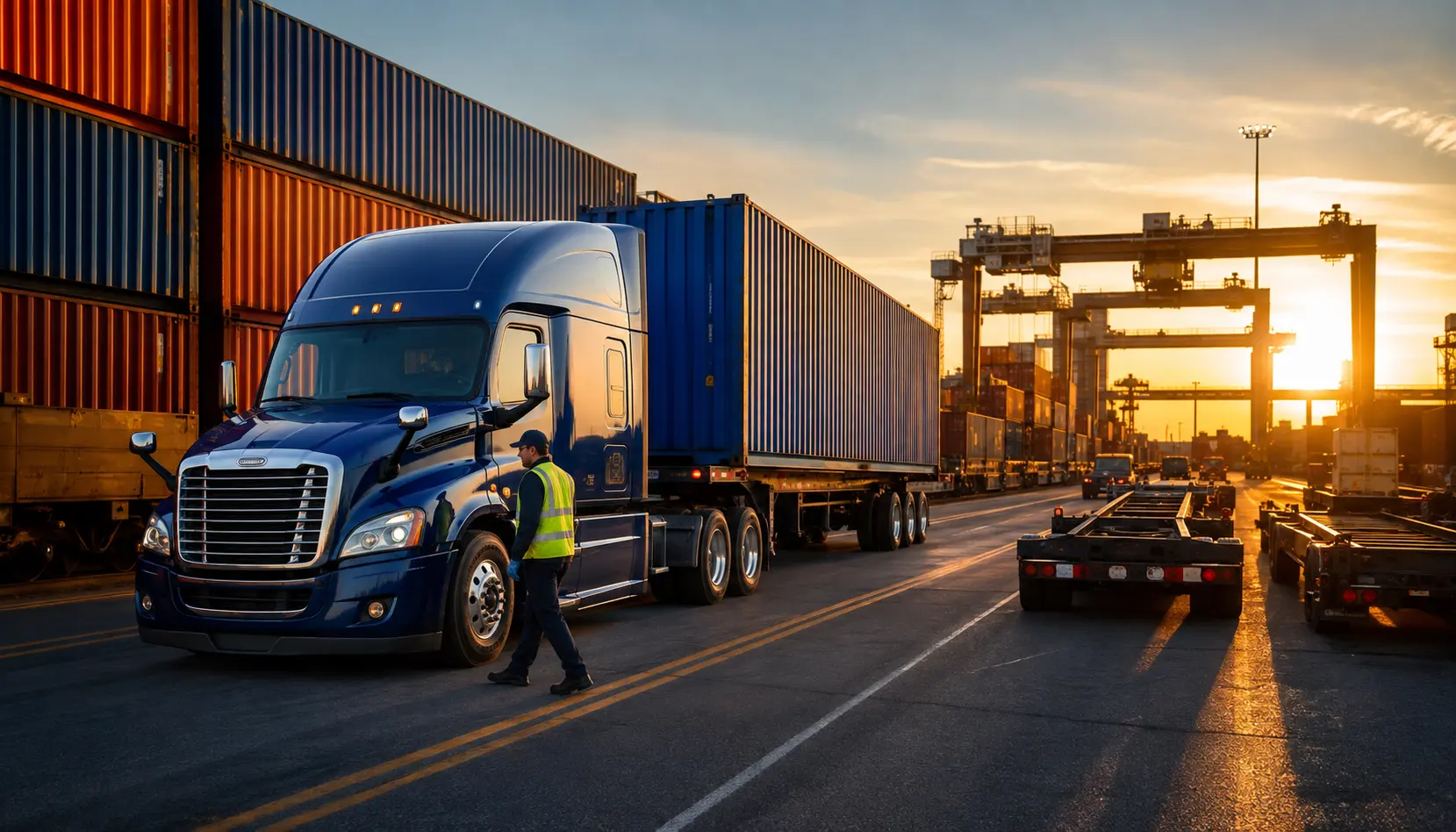
    These original images illustrate the operating details an application should describe. They are representative—not photographs of a specific insured, terminal, railroad, port, or facility in Sparks, NV.

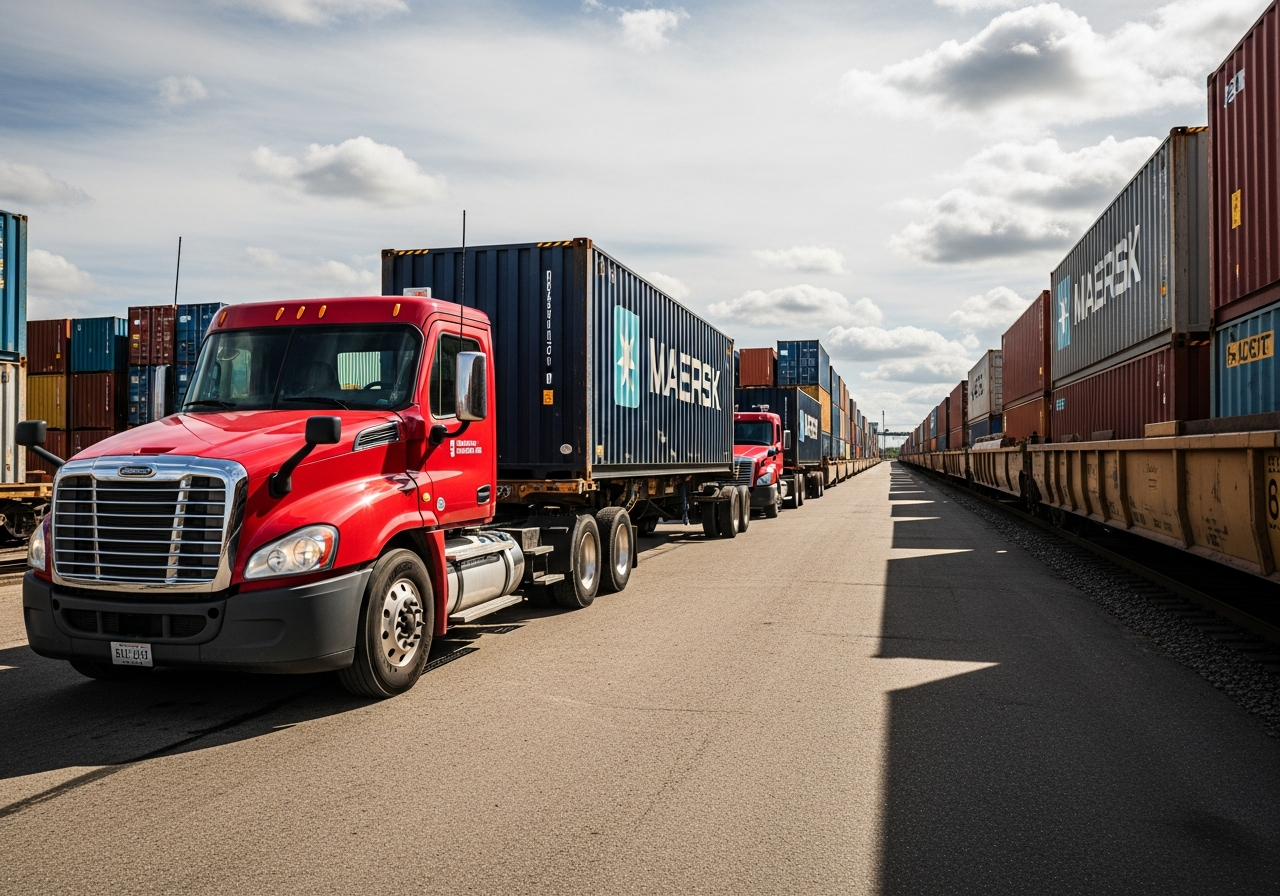
    Intermodal container truck operating beside a rail ramp

    Rail-ramp and intermodal operations

    Rail facilities, equipment providers, container custody, chassis use and interchange requirements should be identified before quoting.

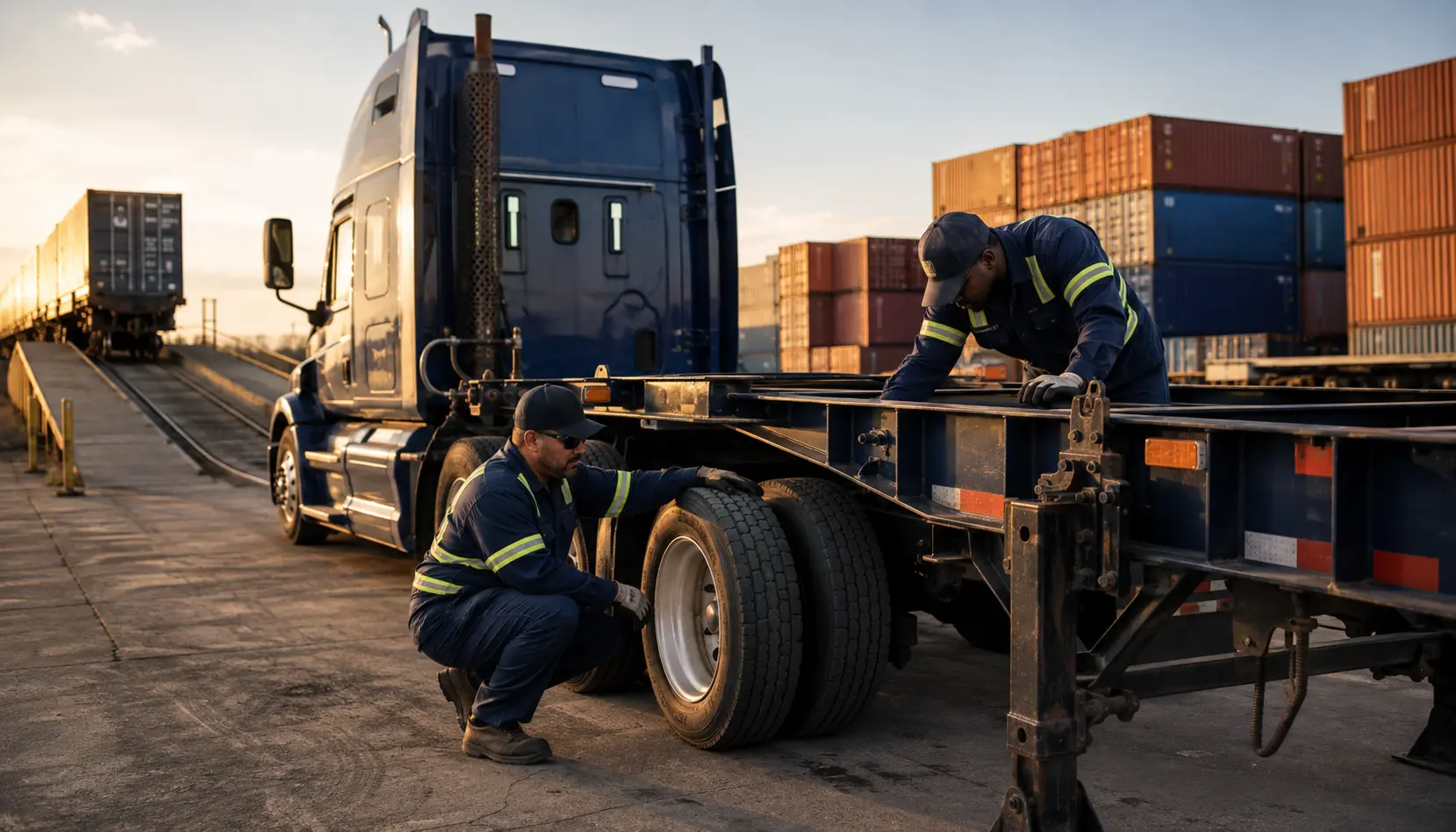
    Drayage team inspecting a container chassis and tires

    Chassis custody and inspection

    Interchange agreements, non-owned equipment values, inspection practices, maintenance and securement affect the coverage discussion.

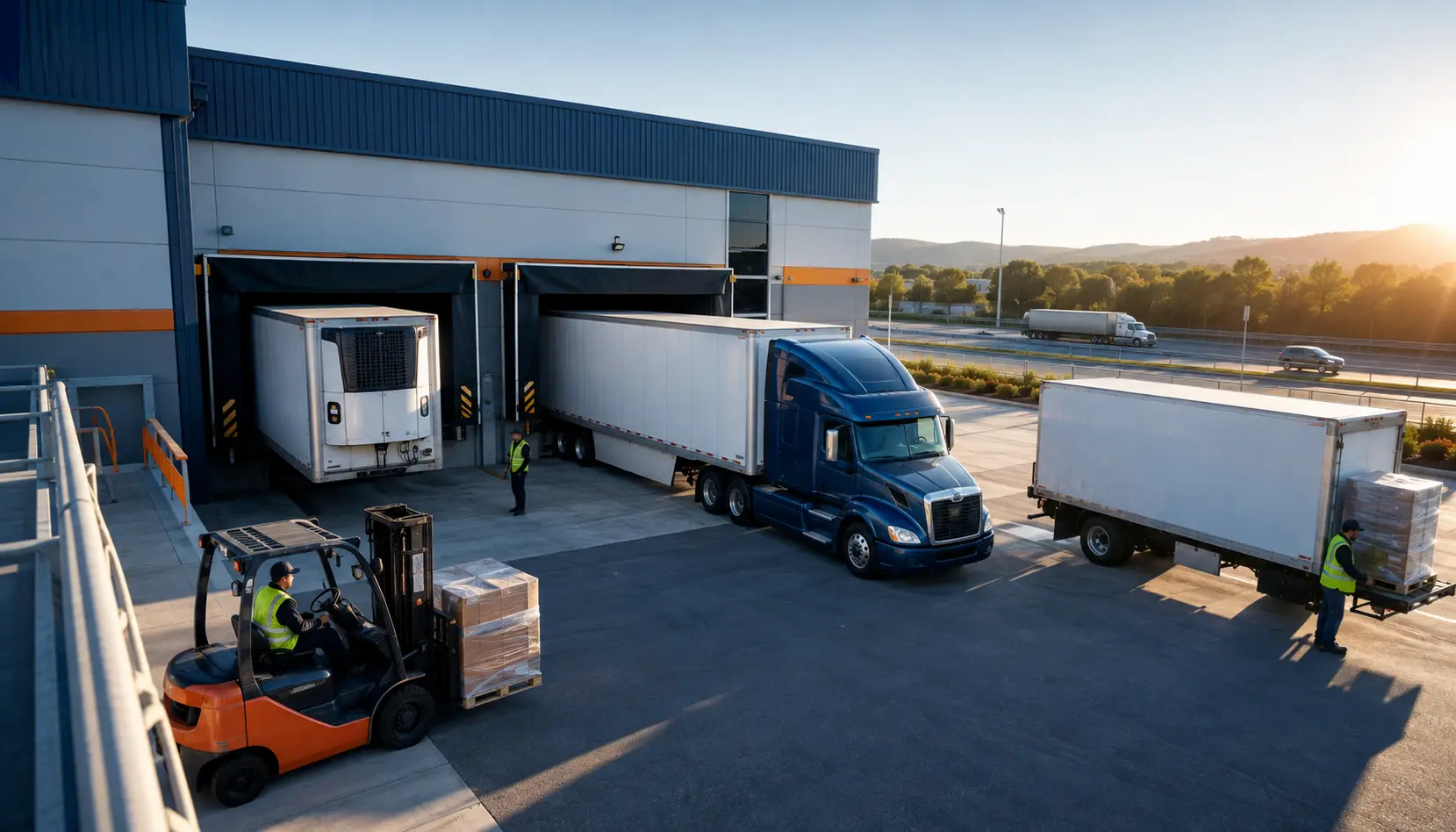
    Trucks and workers handling freight at a distribution warehouse

    Warehouse and delivery exposure

    Cargo handling, loading, refrigeration, delivery radius, customer mix and overnight parking complete the end-to-end risk picture.

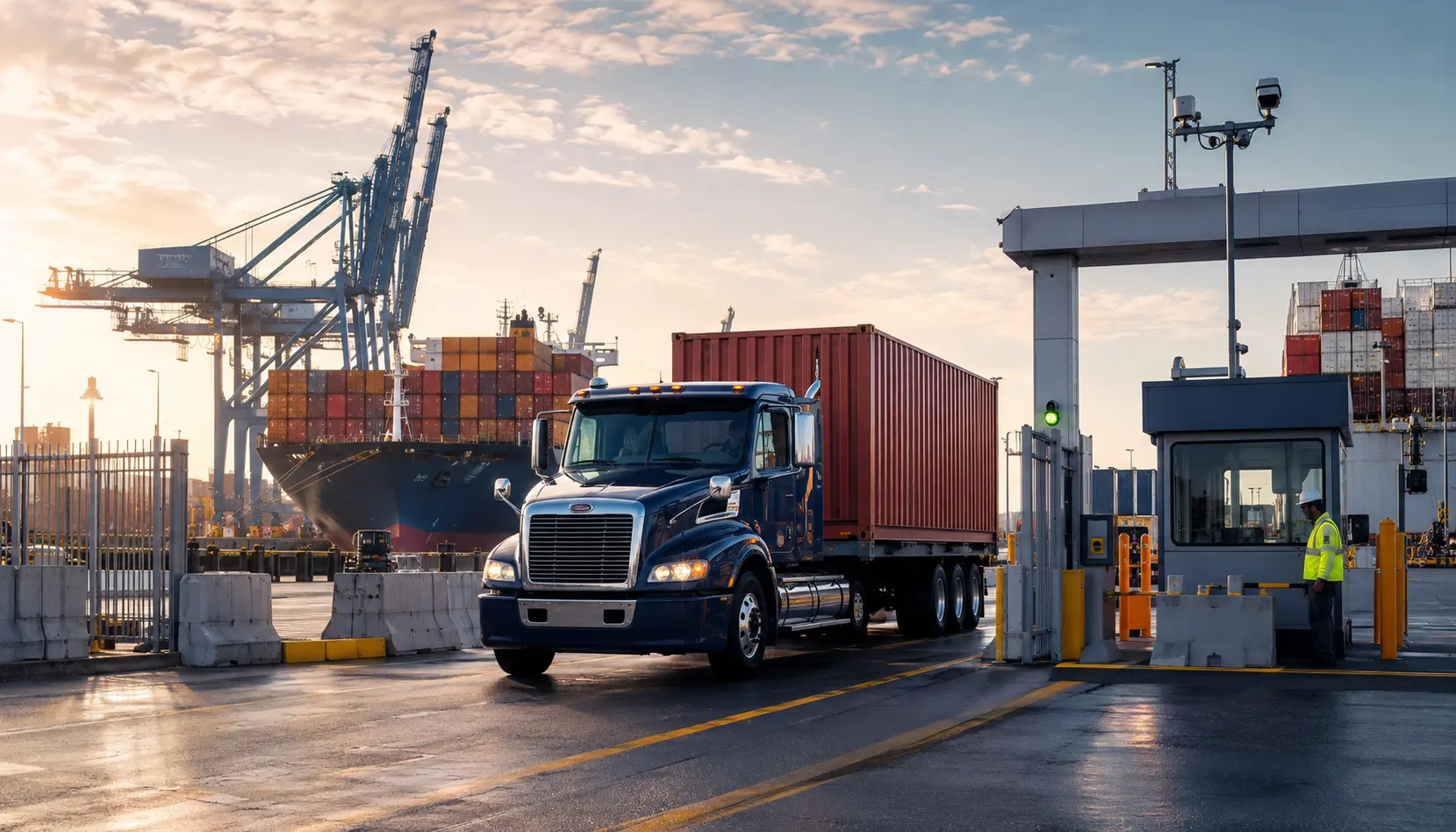
    Day-cab container truck entering a marine terminal gate

    Marine-terminal access

    Terminal access, credentials, gate activity, appointments, container volume and contract requirements belong in the operating profile.

    Quote comparison and renewal discipline

    Compare proposals on the same exposure basis and verify the named insured, vehicles, drivers, limits, deductibles, forms, endorsements, filings, payment terms, exclusions, and carrier conditions. Before renewal, reconcile schedules and operations, request loss runs early, document safety improvements, and address open claims or compliance issues.

    Truxsurance can help organize the insurance submission and review available market terms. Final eligibility, pricing, forms, coverage, filings, and timing remain subject to complete information, carrier underwriting, binding, and the issued policy.

    Intermodal port aerial view

    Get an Intermodal Quote for Sparks

    Same-day UIIA filings. E&S market access. Coverage that actually pays claims.

    Same-day indications available.

    Call Now