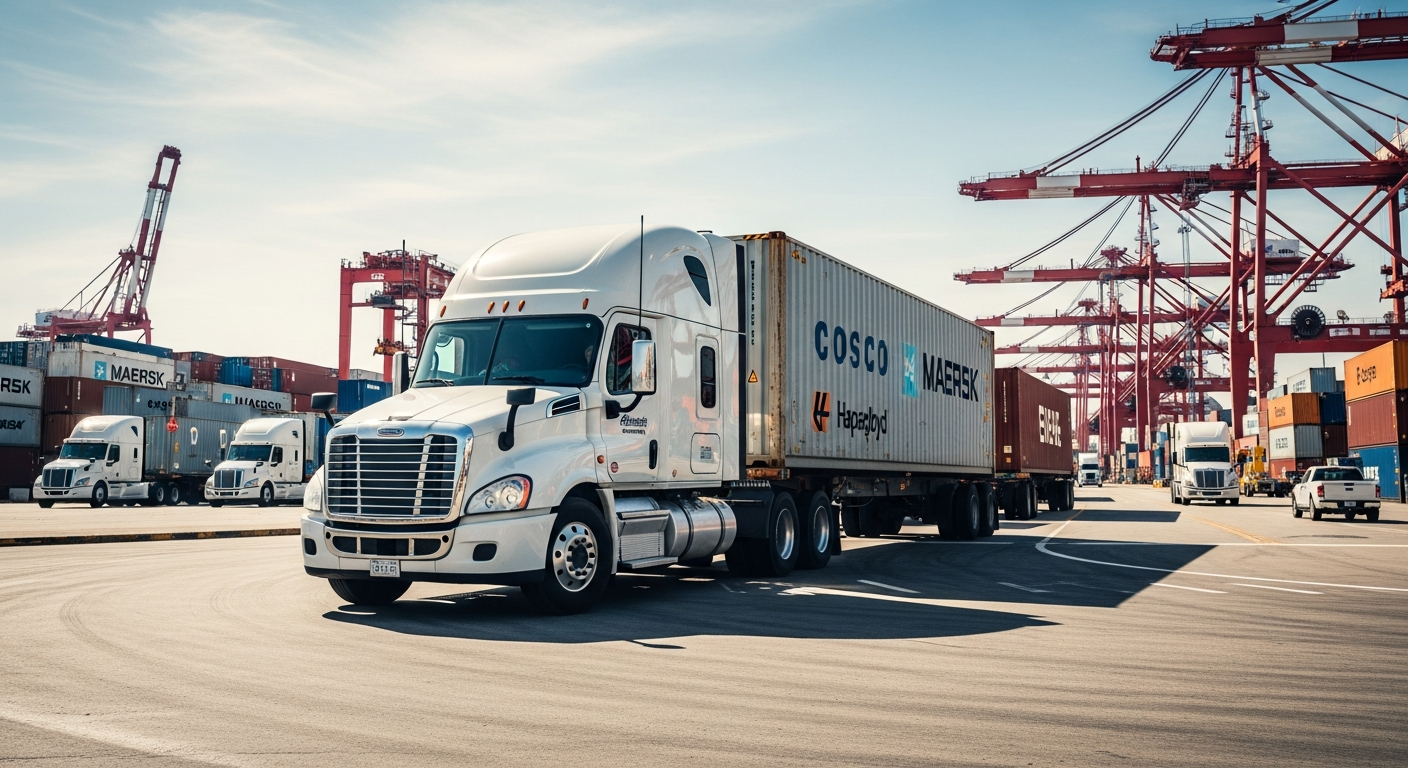






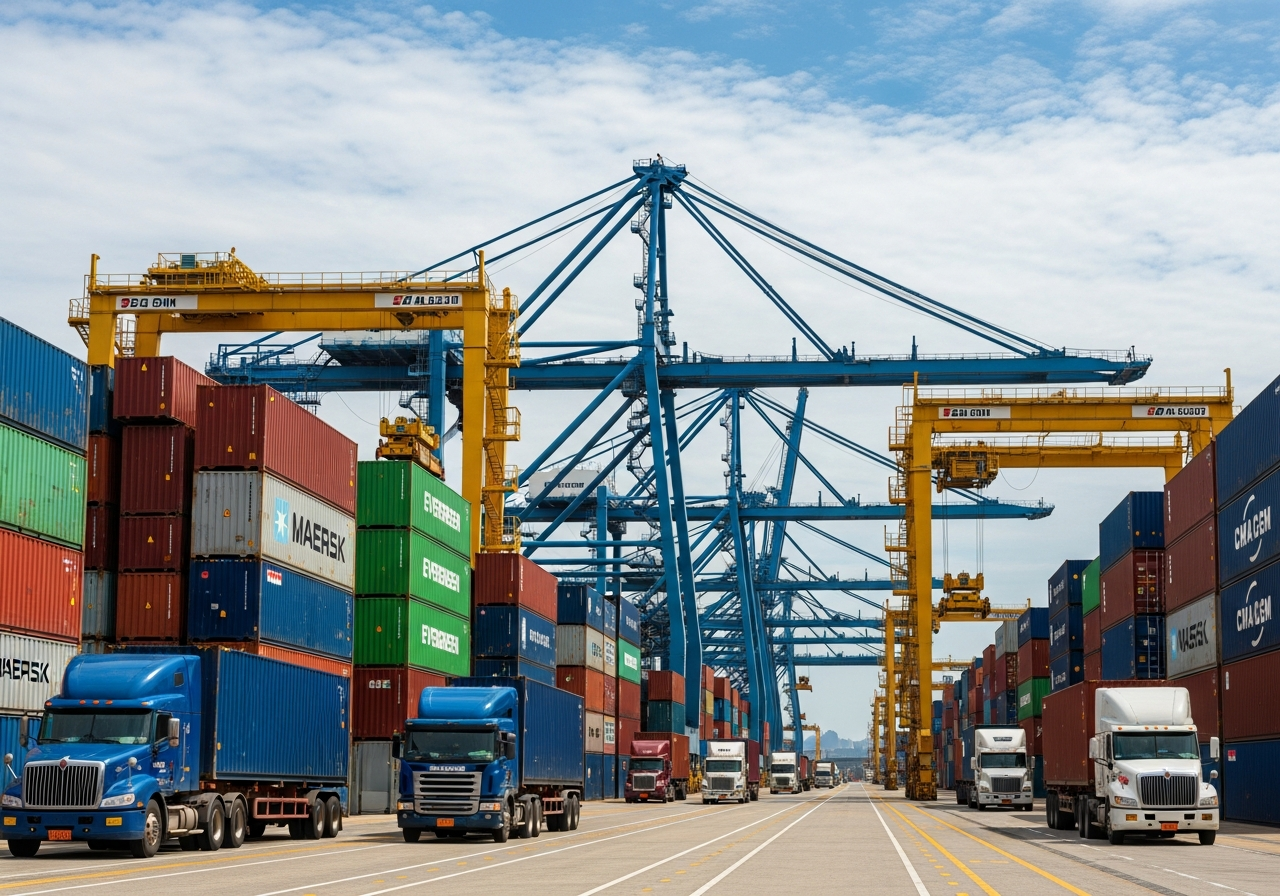
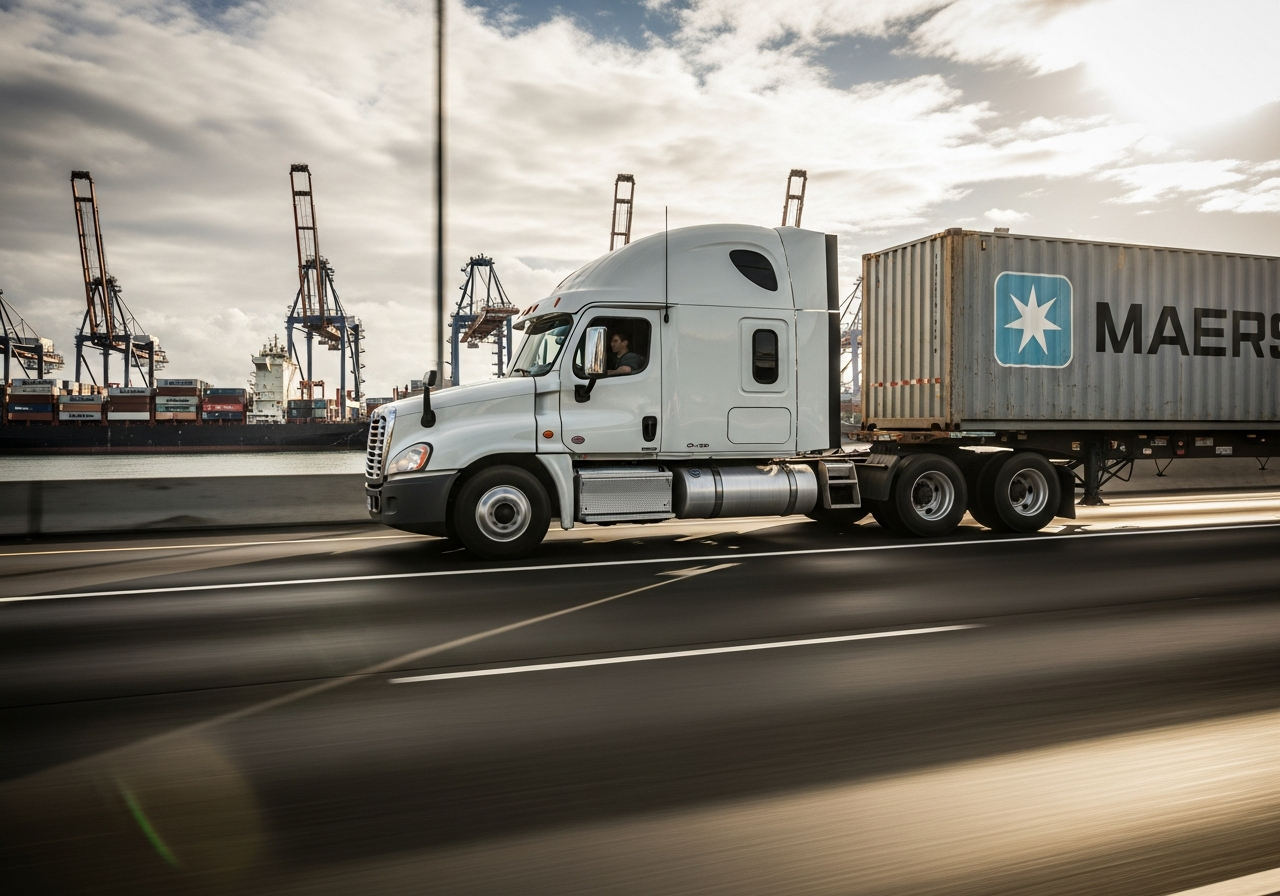
Intermodal container truck at port terminal
    UIIA-Registered Agency

    Intermodal Insurance in Long Beach, CA

    UIIA-Compliant Coverage for Container & Chassis Carriers

    Long Beach is home to the Port of Long Beach — one of the nation's highest-volume container ports and part of the San Pedro Bay port complex that collectively handles roughly 40 percent of all U.S. containerized imports. Drayage carriers at POLB operate in one of the highest-throughput port environments in the world, moving containers through major terminals including LBCT, TTI, and ITS, onto the I-710 freeway (the Container Superhighway), and outbound to Inland Empire warehouses, LA rail ramps, and regional distribution centers. Standard commercial auto policies don't cover UIIA chassis interchange, trailer interchange with steamship lines, or the terminal-gate and container yard exposures that POLB drayage carriers face on every shift. You need a policy built from the ground up for port drayage.

    Same-Day Quotes Same-Day COIs UIIA Support Nationwide

    Same-day UIIA filings.

    Some of the insurance markets we work with

    Berkshire Hathaway Homestate Companies
    National Indemnity Company
    GEICO
    Lloyd's of London
    Everspan Group
    Berkley Small Business Solutions
    Northland Insurance
    Canal Insurance
    Applied Underwriters
    Crum & Forster
    IAT Insurance Group
    Carolina Casualty

    Carrier availability varies by state, operation type, fleet size, and underwriting requirements.

    Step 1 of 2 — Quick Info

    GET YOUR FREE QUOTE NOW

    No commitment required · Takes 2 minutes

    Your information is secure and never shared. We use it only to prepare your quote.

    No commitment required · Takes 2 minutes · By continuing, you consent to being contacted about your quote. Privacy Policy

    UIIA-Registered Agency
    Same-Day COI Filings
    E&S Market Access
    IANA Filing Approved
    25+ Years Experience
    Required Before You Pull a Container

    UIIA Insurance Requirements

    Every carrier pulling ocean or rail containers must meet UIIA minimums. Most retail agents get these wrong — here's what you actually need.

    $1,000,000 CSL
    Auto Liability

    Must be Any Auto, Scheduled & Hired, or All Owned & Hired. FMCSA's $750K is NOT enough.

    $1M / $2M
    General Liability

    $1M per occurrence, $2M aggregate. Most EPs require additional-insured endorsement.

    $20K – $50K
    Trailer Interchange

    Covers non-owned chassis in your care. Must include comp, collision, fire & theft.

    $100,000+
    Motor Truck Cargo

    Most EPs require $100K minimum; some require up to $500K depending on freight.

    Also required: UIIE-1 endorsement on your auto policy and CA23-17 or TE23-17B on your cargo policy. Workers' comp required if your state mandates it or your equipment provider requires it. View official UIIA requirements

    Who Needs Intermodal Insurance?

    If you pull containers from ports or rail yards, you need UIIA-compliant coverage.

    Port drayage trucks at terminal

    Port Drayage Carriers

    • Move containers from ocean terminals
    • Pull UIIA-controlled chassis
    • Need UIIA cert filed with IANA
    • LA, Long Beach, Houston, Savannah, NJ
    Intermodal truck at rail yard

    Rail Ramp Drayage

    • Serve BNSF, UP, CSX, NS, CPKC ramps
    • Pull inland intermodal containers
    • Chicago, Dallas, Memphis, KC hubs
    • Must meet same UIIA minimums
    Owner operator intermodal truck

    Owner-Operators

    • Leased to drayage companies
    • Running under your own authority
    • Need your own UIIA-compliant policy
    • We write O/O intermodal coverage
    POLB terminal drayage — LBCT, TTI, ITS, Everport, Pacific Container Terminal
    I-710 Container Superhighway corridor coverage
    Gerald Desmond Bridge and Pier T / Pier F terminal access coverage
    UIIA Certificate of Insurance filing assistance for carriers with intermodal equipment agreements
    DCLI, Flexi-Van, TTSI chassis interchange coverage
    Inland Empire delivery coverage — Fontana, Rialto, Ontario, San Bernardino
    BNSF and UP rail ramp P&D connections

    Coverage Built for Long Beach Carriers

    We write full-stack intermodal programs — not just a basic truck policy with a container checkbox.

    Auto Liability

    Core liability protection when your trucks are on port property, on the I-710 corridor, and on the road between POLB terminals, Inland Empire distribution centers, and LA rail ramps.

    Physical Damage

    Covers collision and comprehensive losses to your tractors operating in the congested port terminal environment, on the I-710, I-405, and I-605 corridors, and at warehouse yards.

    Motor Truck Cargo

    Protects the contents of ocean containers while they are in your care between POLB terminals, rail ramps, and customer warehouses throughout the LA basin and Inland Empire.

    Trailer Interchange Coverage

    Covers physical damage to non-owned trailers and ISO containers you handle under UIIA equipment interchange agreements with POLB-participating steamship lines and equipment providers.

    Chassis Coverage

    Insures chassis you pick up from POLB chassis pools (DCLI, Flexi-Van, TTSI, and others) while they are in your care, custody, and control.

    General Liability

    Protects your company from certain third-party bodily injury or property damage claims arising from terminal operations, yard activities, and deliveries that are not covered under your auto liability.

    Excess Liability / Umbrella

    Adds liability limits above your primary auto and GL policies to meet the higher requirements of POLB terminal operators, railroads, and large importers.

    Non-Trucking (Bobtail) Liability

    Available when your tractors are operated bobtail — without a trailer or container — between terminals, chassis pools, and customer locations.

    Same-Day UIIA Filings

    From Quote to Pulling Containers — Same Day

    01

    Get a Quote

    Tell us your operation — trucks, equipment providers, routes. We structure the right program.

    02

    Bind Coverage

    Review your policy. We confirm UIIA endorsements are correct.

    03

    We File Your UIIA COI

    Truxsurance files your Certificate of Insurance with IANA the same business day you bind.

    04

    Start Pulling Containers

    IANA verifies your filing. Your UIIA status activates. You're cleared to haul.

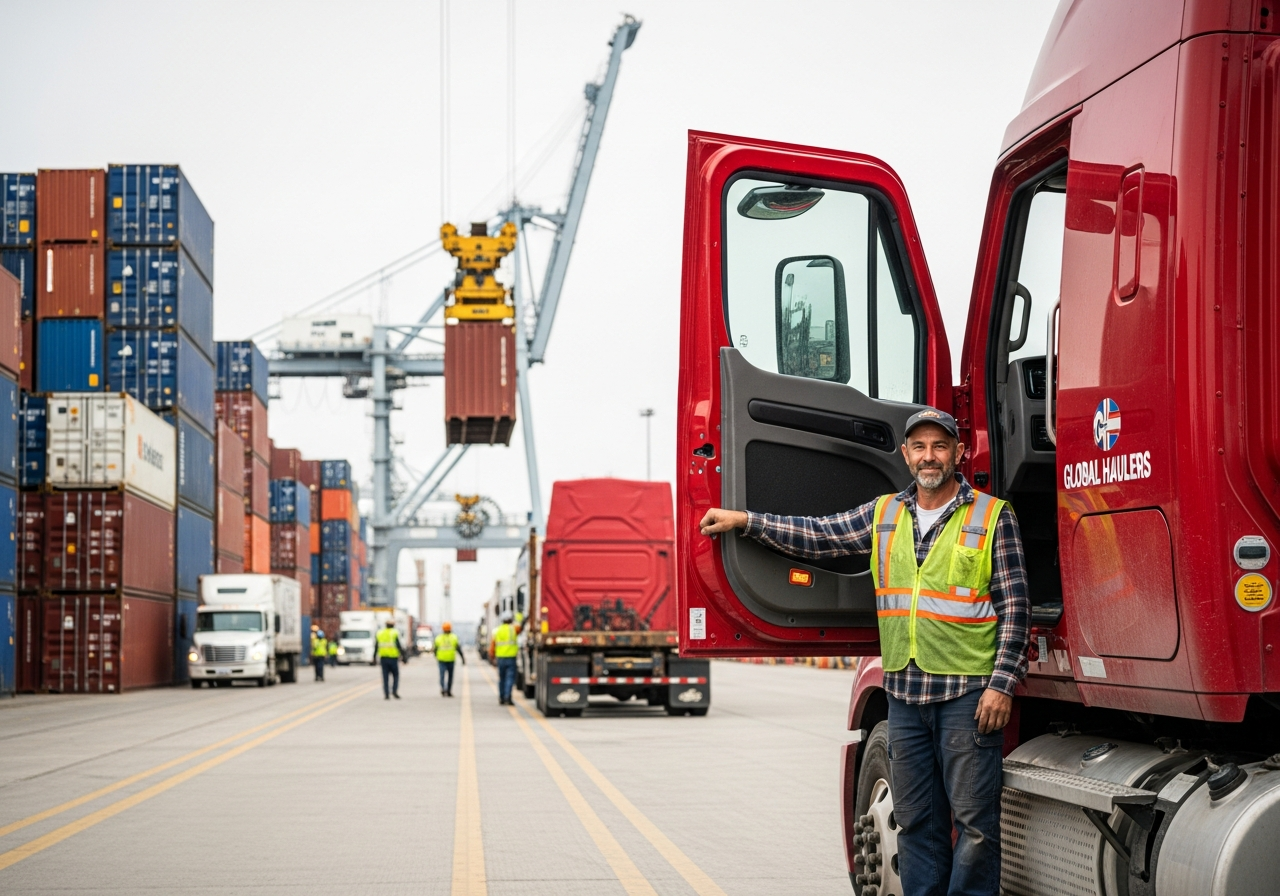
    Drayage driver at port terminal
    Local Freight Market

    The Long Beach Intermodal Market

    The Port of Long Beach ranks among the nation's highest-volume container ports and operates within the San Pedro Bay complex alongside the Port of Los Angeles — together forming the largest U.S. port complex by container volume. POLB hosts a modern and expanding collection of marine terminals: LBCT (Long Beach Container Terminal), TTI (Total Terminals International), ITS (International Transportation Service), Everport Terminal Services, and Pacific Container Terminal among others. The port handled approximately 9.65 million TEUs in 2024, with volumes routed directly to Inland Empire warehouse clusters, LA rail ramps (BNSF Hobart, UP LATC), and regional distribution customers. The I-710 freeway — known locally as the Container Superhighway — is the primary arterial from the port complex north to the rail yards and warehouse belt. Traffic congestion on the I-710, terminal gate queues, and chassis availability are daily operational realities that affect driver schedules, equipment utilization, and dwell costs. The port has implemented programs including Clean Trucks and appointment systems at terminals that affect carrier access and compliance requirements.

    Operations

    How Intermodal Works Here

    POLB drayage carriers perform several distinct operation types. Full container load (FCL) drayage moves an ocean container from a POLB terminal to a single consignee warehouse. Empty repositioning returns empty containers to port terminals or depot locations. Chassis turn moves a chassis from one pool or terminal to another without a container. Rail support drayage delivers containers from POLB to nearby BNSF Hobart or UP LATC rail ramps for inland rail moves. Each movement has different time pressures, gate-access requirements, and UIIA obligations. POLB carrier operations may span multiple UIIA equipment providers in a single day — requiring Certificates of Insurance that list each provider separately and accurately. TWIC (Transportation Worker Identification Credential) cards are required for unescorted access to secure port areas, and most POLB terminals operate appointment systems that control when a driver can arrive for a specific container.

    Underwriting

    What Underwriters Evaluate

    Long Beach drayage accounts are high-frequency, high-exposure risks that require experienced E&S underwriters. Key underwriting factors include the number of port-dedicated power units, the complete UIIA equipment provider list, chassis leasing arrangements, driver tenure and MVR history, and loss history over the prior three to five years. Cargo limits should reflect the actual value of goods being hauled — consumer electronics, high-value retail, and pharmaceutical products regularly transit POLB and may require cargo limits above standard program offerings. Port operations involve significant non-auto exposures: terminal yard activity, on-dock rail staging, and container loading and unloading are not covered under standard commercial auto policies. General liability coverage with the correct classification is essential.

    Quote Preparation

    Documents to Have Ready

    Gathering these before you reach out speeds up the quoting and binding process significantly.

    • Commercial truck insurance application (ACORD 131 or equivalent)
    • Full equipment schedule — all power units with VINs, years, stated values
    • Driver list with CDL numbers, MVR authorization, and TWIC card status
    • Complete UIIA equipment provider list (POLB terminals, steamship lines, chassis pools)
    • 3 years loss runs from current carrier and all prior carriers
    • MC/DOT authority number and current FMCSA safety rating
    • Copy of any chassis or equipment lease agreements
    • Current COI if replacing or supplementing an existing policy
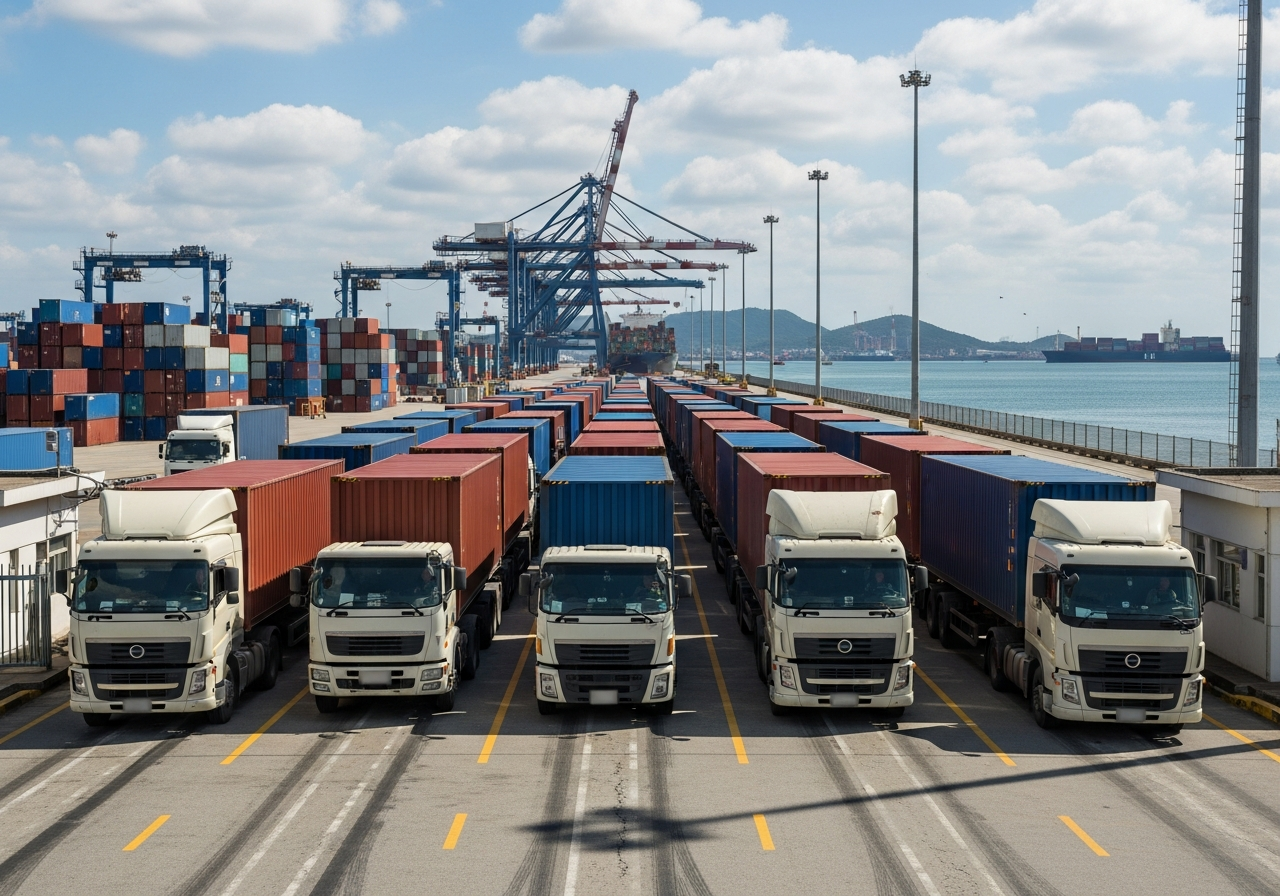
    Container truck fleet at port

    Why Carriers Choose Truxsurance

    Most retail agents don't know the UIIA from the MCS-90. We do intermodal exclusively.

    • UIIA-registered agency — approved IANA filer
    • Same-day COI filings — start hauling today
    • E&S markets that understand container exposure
    • Coverage for all major U.S. ports & rail ramps
    • Multi-state program support where available
    • 25+ years transportation insurance experience

    Nearby Intermodal Markets

    Frequently Asked Questions

    Product and local operating guide

    Building a complete Long Beach, CA intermodal trucking insurance submission

    An intermodal submission must describe the complete container operation: marine terminals and rail ramps served, equipment providers, UIIA status, chassis arrangements, interchange agreements, cargo custody, garaging, operating radius, drivers, and the mix of local and regional work.

    Identify each equipment provider and terminal or rail facility used, along with container volume, empty repositioning, yard moves, warehouse transfers, bonded or refrigerated freight, and conventional truckload work. Underwriters need the real operating mix rather than a generic drayage label.

    For a Long Beach, CA operation, the application should state where vehicles are actually garaged, every state or corridor served, maximum and typical radius, annual mileage, commodities, revenue, vehicle values, driver experience, prior coverage, and loss history. If the business is new, include relevant ownership, driving, safety, and industry experience instead of leaving the underwriter to infer it.
    Coverage structure

    The review commonly considers primary auto liability, cargo, physical damage, truckers general liability, trailer interchange or chassis physical damage, excess liability, and any provider-specific requirements. Limits and endorsements must be checked against current agreements.

    Deductibles, sublimits, scheduled equipment, covered causes of loss, exclusions, territory, and valuation provisions should be reviewed alongside the premium. A lower indication is not equivalent if it removes a required form or leaves a material exposure uninsured.

    Contracts, filings and certificates

    UIIA registration, equipment-provider addenda, IANA filing instructions, terminal credentials, and certificate-holder wording belong in the submission file. Platform or provider acceptance is separate from underwriting and is never guaranteed by a certificate alone.

    Provide the current written requirement rather than a summary from memory. Review named insured, certificate holder, additional-insured wording, waiver requests, primary and noncontributory language, notice provisions, filings, and effective dates before accepting work.

    Claims-ready operating controls

    A strong insurance file also explains how the business prevents and responds to loss. Document driver qualification, onboarding, vehicle inspections, preventive maintenance, cargo securement, dash cameras or telematics, accident reporting, post-loss testing, cargo documentation, and escalation responsibilities.

    Keep schedules and operations current after binding. Adding vehicles, drivers, commodities, territories, contracts, equipment providers, or a different type of hauling can require carrier approval or a policy change. Report changes before the new exposure begins whenever possible.

    Original Truxsurance editorial imagery

    How the operation connects from equipment to delivery

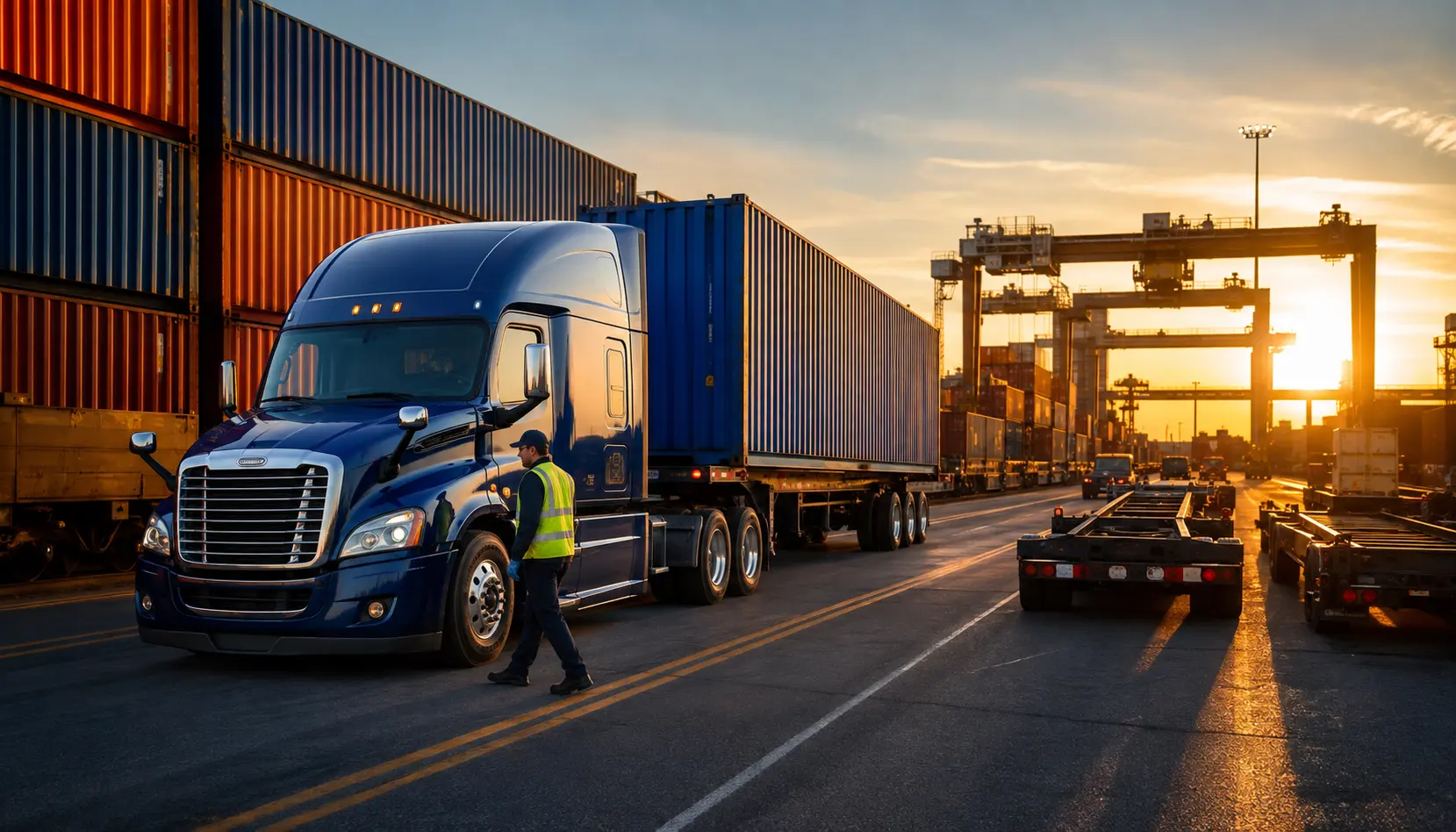
    These original images illustrate the operating details an application should describe. They are representative—not photographs of a specific insured, terminal, railroad, port, or facility in Long Beach, CA.

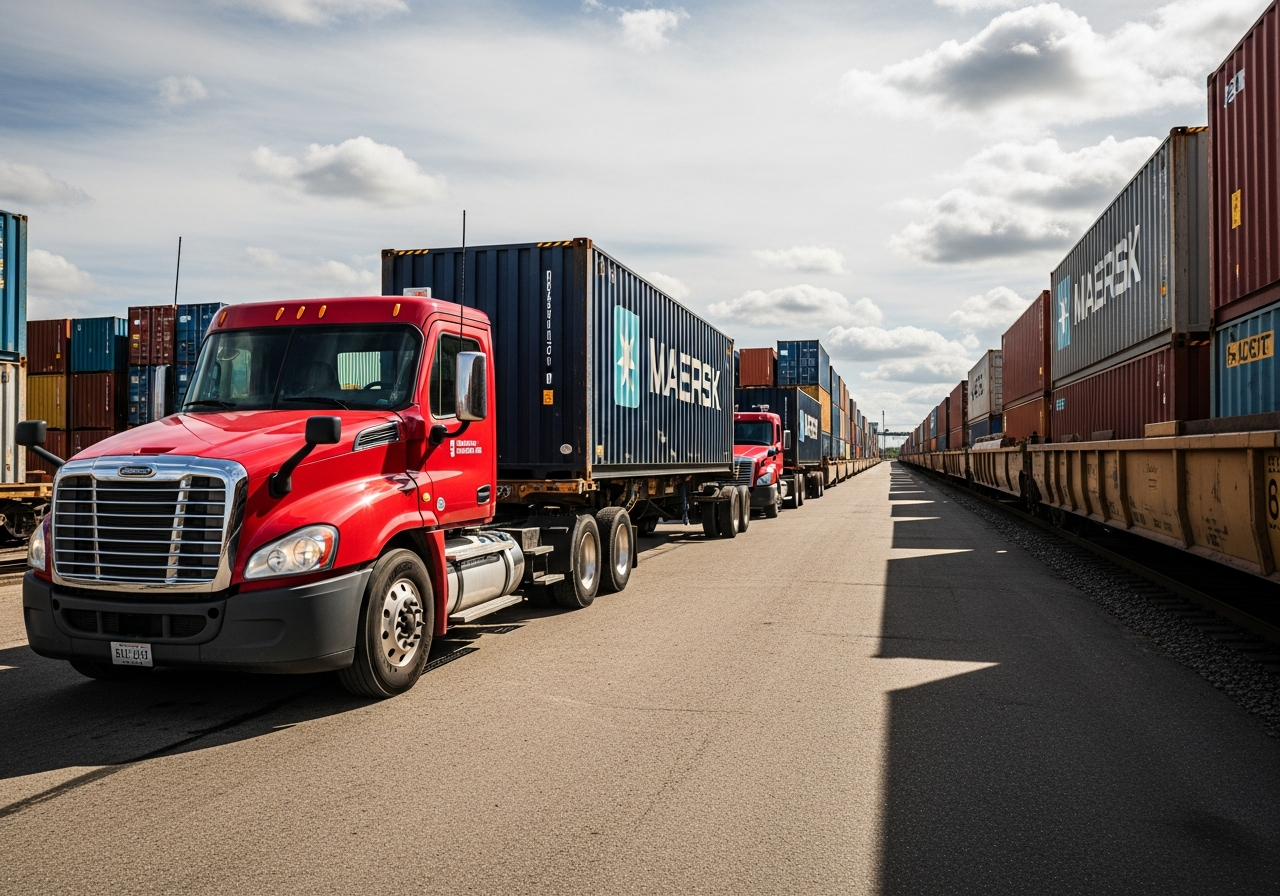
    Intermodal container truck operating beside a rail ramp

    Rail-ramp and intermodal operations

    Rail facilities, equipment providers, container custody, chassis use and interchange requirements should be identified before quoting.

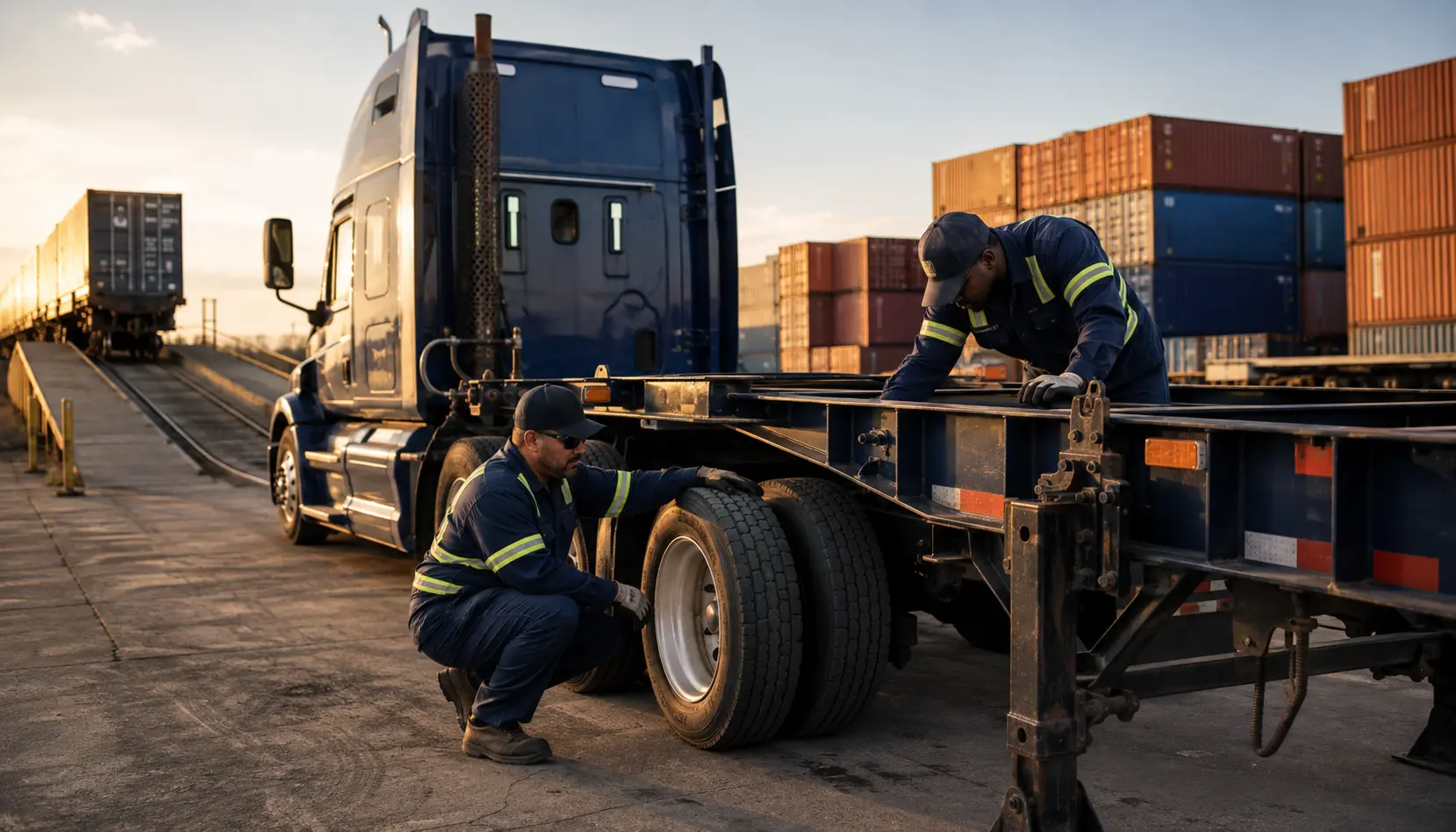
    Drayage team inspecting a container chassis and tires

    Chassis custody and inspection

    Interchange agreements, non-owned equipment values, inspection practices, maintenance and securement affect the coverage discussion.

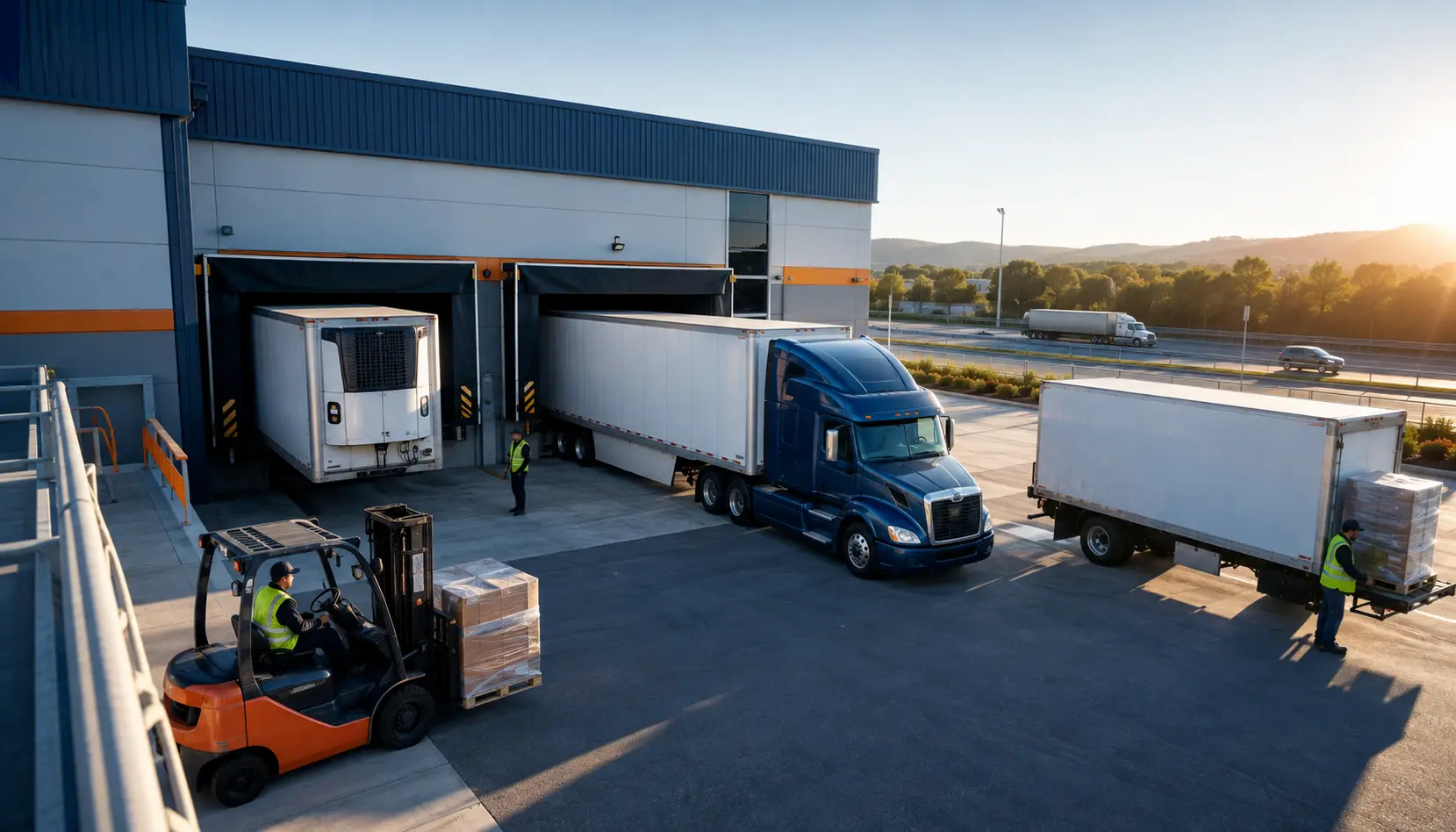
    Trucks and workers handling freight at a distribution warehouse

    Warehouse and delivery exposure

    Cargo handling, loading, refrigeration, delivery radius, customer mix and overnight parking complete the end-to-end risk picture.

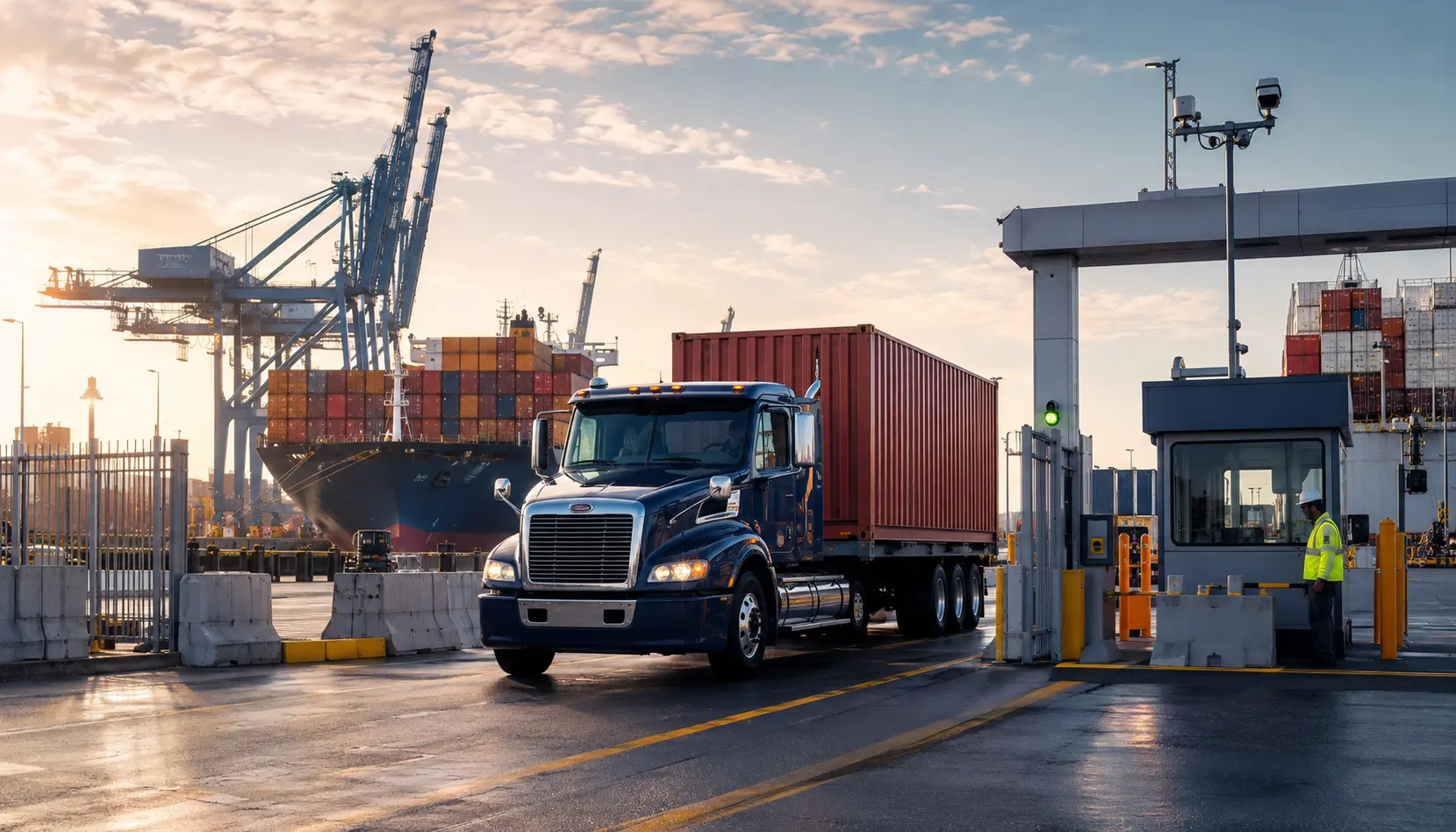
    Day-cab container truck entering a marine terminal gate

    Marine-terminal access

    Terminal access, credentials, gate activity, appointments, container volume and contract requirements belong in the operating profile.

    Quote comparison and renewal discipline

    Compare proposals on the same exposure basis and verify the named insured, vehicles, drivers, limits, deductibles, forms, endorsements, filings, payment terms, exclusions, and carrier conditions. Before renewal, reconcile schedules and operations, request loss runs early, document safety improvements, and address open claims or compliance issues.

    Truxsurance can help organize the insurance submission and review available market terms. Final eligibility, pricing, forms, coverage, filings, and timing remain subject to complete information, carrier underwriting, binding, and the issued policy.

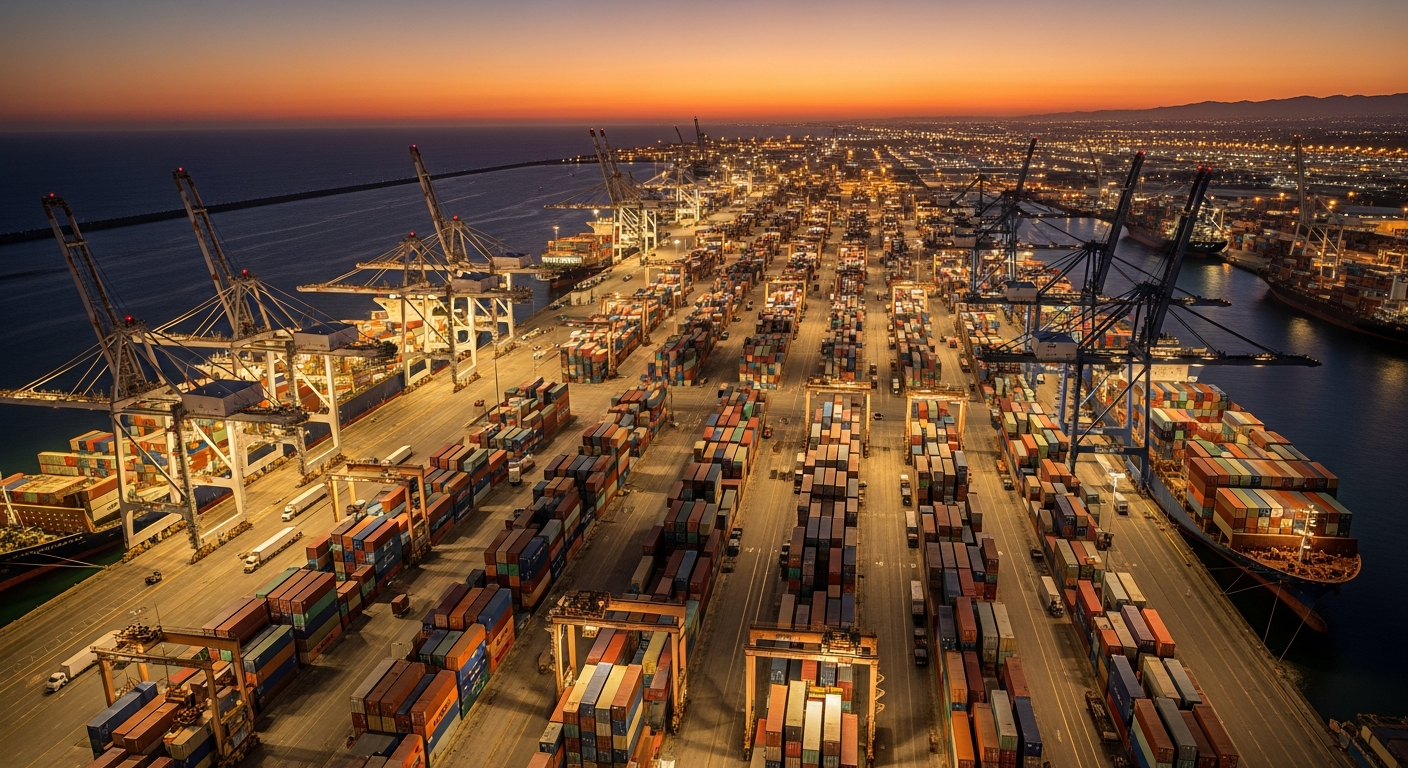
    Intermodal port aerial view

    Get an Intermodal Quote for Long Beach

    Same-day UIIA filings. E&S market access. Coverage that actually pays claims.

    Same-day indications available.

    Call Now